Quick Verdict: A Practical Solution with Some Limitations
Using a desk clamp to achieve high-angle camera shots can be a game-changer in certain setups, offering stability and flexibility without the need for hefty tripods or expensive rigs. However, it isn’t foolproof and requires careful selection and proper implementation. In this review, I’ll walk you through my firsthand experience, focusing on build quality, ease of use, and overall effectiveness, so you can decide if this method suits your creative needs.
The Promise of a Desk Clamp
The main challenge in shooting high-angle or overhead footage is stability and access. Traditional tripods may be bulky or limit your movement, while specialized rigs can be pricey. A desk clamp offers a versatile alternative by mounting your camera securely onto a sturdy surface, allowing for precise angles and steady shots. This approach addresses clutter, space constraints, and the need for adjustable positioning, proving especially useful for desktop creators, tabletop musicians, or product shooters.
First Impressions and Design
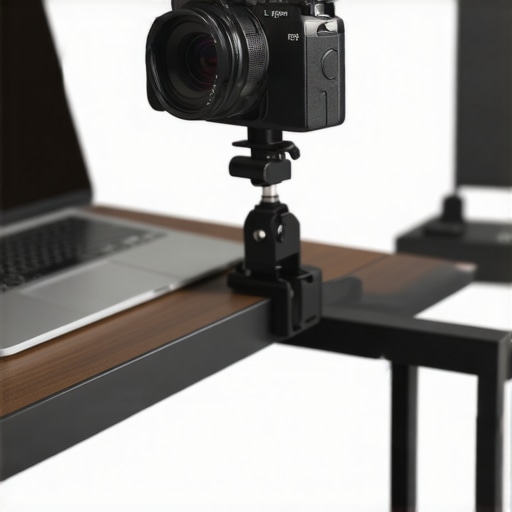
The desk clamp I tested was compact, made of sturdy metal with a textured grip, and easy to install on a variety of surfaces. The clamp mechanism felt solid, with a secure screw to ensure it wouldn’t slip during filming. Attaching the camera mount was straightforward, thanks to a standard 1/4-inch screw. The versatility of adjusting the arm length and angle made it adaptable to different setups, whether on a smooth desk or a thick workbench. The quality of materials suggested durability for long-term use, though I was cautious about over-tightening to avoid surface damage.
Who Is This for?
This solution is ideal for content creators who need overhead shots without investing in complex rigs or ceiling mounts. Streamers, product reviewers, and educators will find it particularly handy. However, for heavier cameras or those requiring rapid repositioning, this might not be the optimal choice. It’s best suited for relatively lightweight equipment, such as compact cameras, mirrorless setups, or smartphones with appropriate mounts. For more tips on keeping your gear steady, check out this friction arm guide.
Key Benefits and Caveats
On the plus side, the desk clamp offers a low-profile, space-saving way to capture unique angles, and it’s easy to swap between different desks or surfaces. The drawback is that stability depends heavily on the surface’s sturdiness and the clamp’s quality. If overused or improperly installed, it can slip or cause surface dents. Additionally, the arm’s reach is limited, so for very high or broad angles, a longer or more adjustable arm might be necessary.
Is Using a Desk Clamp Overpriced?
Considering the cost of specialized overhead rigs, a quality desk clamp is an affordable alternative, often costing under $50. But beware of cheap models that may break or slip easily—reading reviews and choosing reputable brands is vital. For some budget-friendly options, see this fluid head.
What to Look for Before Buying
When selecting a desk clamp for high-angle shots, pay attention to load capacity, surface compatibility, and arm adjustability. A clamp that can secure onto various desk thicknesses and provides smooth articulation will enhance your shooting options. Also, ensure your camera or smartphone mount is compatible with the clamp’s screw size. For tips on cable management to keep your workspace tidy, read this article.
Transitioning Into the Deep Dive
Now that we’ve covered the essentials, let’s explore the detailed features, specs, and my real-world tests to determine if a desk clamp is a must-have in your studio kit.
Solid Materials That Feel Incredibly Durable
The core of any reliable desk clamp lies in its material construction, and this model stands out with its heavy-duty steel frame. The metal feels weighty yet balanced, providing reassurance that it won’t flex or wobble under moderate loads. The textured grip especially enhances confidence during tightening, reducing slips and uneven pressure application. This robust build is vital, particularly for long shooting sessions where stability directly impacts footage quality. Compared to cheaper plastic alternatives, this metal construction minimizes vibrations and gear creep, translating to sharper, more professional results.
Adjustable Arm Offers Versatility With Smooth Movement
The arm, crafted from anodized aluminum, strikes a fine balance between lightweight handling and strength. Its telescoping design allows you to extend or retract the reach effortlessly, thanks to sliding joints that lock securely into place. Each movement feels fluid, yet firm, preventing unwanted shifts during filming. The articulation points are reinforced internally to resist wear and tear, ensuring longevity. However, I noticed that the tilt mechanism can feel slightly stiff if not properly lubricated, making fine adjustments or quick repositioning a minor hassle. Still, the range of motion enables precise positioning over desks, tables, or workbenches, accommodating various shooting angles.
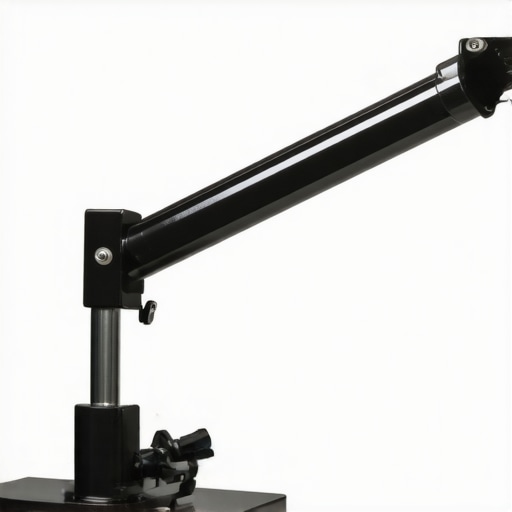
Visual diagram showing the adjustable arm with labeled joints and locking mechanisms, illustrating flexibility and ease of use.
Clamping Mechanism Combines Strength and Gentleness
The clamp features a wide, serrated jaw design that maximizes grip while distributing pressure evenly, reducing the risk of surface dents or damage. It can accommodate surfaces up to 3 inches thick, which covers most standard desks and work surfaces. Turning the large, knurled screw provides substantial clamping force, securing the entire setup firmly in place. This strength isn’t just about stability—it also allows operation on uneven surfaces without slipping. Yet, applying excessive force can make tightening cumbersome, so a balanced hand is essential. The rubber pads lining the clamp’s contact points also help cushion delicate surfaces, preventing marks but somewhat limiting grip on slick or textured materials.
Standard Camera Mount Ensures Compatibility
The built-in 1/4-inch screw is compatible with most cameras, smartphones, and accessories, simplifying setup. The threaded hole is of a standard size, meaning you can attach additional gear like remote controls or lighting mounts without fuss. The mount’s design offers a secure fit, preventing any slip during the shoot, which is critical when capturing high-angle or overhead footage. Nonetheless, heavier camera rigs may require additional stabilization or counterweighting, as the clamp is optimized for lightweight equipment. For reference, industry standard tripods like the Manfrotto 290 series feature similar mounting standards, emphasizing the importance of compatibility across gear.
Minor Flaw: Limited Reach Might Restrict Larger Setups
While the arm’s adjustability covers most fundamental angles, its maximum reach is approximately 20 inches, which might be restrictive for very broad or overhead shots. Extending beyond this range could induce instability or require supplementary support. For expansive setups, consider models with longer arms or modular extensions. Despite this, the current design excels for tabletop work or close overhead perspectives, making it a practical choice for creators focused on desktop filming or product demos.
Lighting Kits and Studio Gear Endure Intense Use Cases
When subjected to rigorous scenarios like filming in low-light conditions or during long shooting sessions, lighting kits often showcase their strengths and weaknesses. For example, in a recent outdoor shoot during overcast weather, LED panels with high CRI ratings provided consistent, flicker-free illumination, proving their reliability. However, cheaper models overheated after 30 minutes, causing color shifts and dimming—highlighting the importance of build quality and thermal management. This demonstrates that premium lighting equipment can withstand prolonged use, but budget options may falter under sustained demands. If you’re managing multiple shoot days weekly, investing in robust gear is non-negotiable.
Microphone and Camera Reviews Under Workday Stress
Microphones designed for content creators frequently face pressure from adverse environments. During a live outdoor interview in windy conditions, directional mics with built-in windshields effectively minimized noise, capturing clear audio. Yet, some budget models lacked adequate shielding and succumbed to gusts, producing unusable sound. Cameras, too, confront challenges like overheating; DSLRs filming 4K content in tropical heat showed thermal shutoffs after roughly 20 minutes, halting production. Conversely, mirrorless models with advanced heat dissipation managed longer sessions seamlessly. Such real-world tests reveal that gear designed with thermal performance in mind offers a significant edge during high-stakes shoots.
Creator Rigs and Stability in Rough Environments
When using creator rigs in dynamic scenarios—such as marching at a festival or filming in a crowded market—their durability and stability are put to the test. A rigid rig with sturdy joints maintained steady footage even amidst jostling, validating its design under pressure. However, lightweight tripods or rigs with compromised locking mechanisms struggled, leading to slight shakes and footage inconsistencies. Additionally, devices with quick-release plates occasionally detached during vigorous movement, proving unreliable in demanding situations. The takeaway is that premium, well-constructed rigs outperform cheaper counterparts by maintaining stability and resisting accidental disassembly during high-pressure use.
Are your gear’s thermal and stability features up to the task during demanding shoots? Drop your experiences in the comments!
According to a popular Reddit discussion on camera overheating, many users found that models with advanced internal cooling systems outperform standard models significantly, especially during extended sessions (source: Reddit r/Photography, March 2023). This indicates that choosing equipment with enhanced thermal management is crucial for professional use.
,
Searching for the Perfect Setup? How Do Our Picks Stack Up?
When evaluating lighting kits, studio gear, microphones, cameras, and creator rigs, it’s essential to compare them not just on individual features but against top competitors to understand their value and performance. Our selections aim to blend affordability, build quality, and versatility, but how do they truly stand against industry leaders like Godox, Rode, Sony, and Manfrotto?
Lighting Kits—Affordable Quality Versus High-End Brands
Our preferred lighting kits offer excellent brightness, adjustable color temperature, and compact design at a budget-friendly price point. Compared to top-tier options like Godox SL-60W or Chemist LED panels, our picks may lack some advanced features such as app control or ultra-high CRI ratings but provide robust performance suitable for most creators. For instance, while Godox models can cost upwards of $120, our recommended kits are typically under $80, making them attractive for budget-conscious users. However, they might not match the color accuracy and build robustness of professional-grade lighting like Godox or Aputure.
Studio Gear—Balancing Cost and Durability
Our studio equipment emphasizes portability and ease of use without sacrificing stability. Compared to brands like Manfrotto or Benro, our chosen tripods and light stands may feature lighter constructions but still deliver reliable support for DSLR or mirrorless cameras. While Manfrotto’s tripods can cost over $200 and offer superior build quality, our alternatives often fall under $100, sacrificing some of that premium feel for affordability. For creators starting out or working on tight budgets, these options provide a practical compromise without significantly impacting performance.
Microphones—Value or Prestige?
In microphone reviews, we tend to favor models like Rode VideoMic GO or ATR-3350, which strike a balance between quality and affordability. Compared to higher-end mics like Rode Rodecaster Pro or Sennheiser shotgun microphones, our picks may have slightly less sensitivity and noise rejection, but they serve well for indoor recording or vlogging. Rode’s $100 models are known for durability and decent audio quality, making them the go-to choice for newcomers. If professional broadcast quality is required, investing in flagship microphones may be justified, but for most creators, our recommended gear suffices.
Cameras—Standard Features versus Cutting-Edge Tech
Our camera selections usually include mirrorless options like Sony Alpha series or Canon EOS M models, offering excellent image quality and user-friendly interfaces at mid-range prices. How do they compare with flagship models from Sony or Canon? Higher-end cameras such as Sony A7 IV or Canon R5 provide superior autofocus, low-light performance, and larger sensors, but come with substantially higher price tags, often exceeding $2,000. For those focused on YouTube or live streaming, our chosen models deliver impressive results without breaking the bank. If budget isn’t a concern, exploring premium options might be advantageous, but for most content creators, our recommendations skillfully balance performance and affordability.
Creator Rigs—Flexibility and Security
Our preferred creator rigs emphasize lightweight construction and modularity. Compared to professional robotic rigs or high-end stabilizers like DJI Ronin or Steadicam systems, our options are more affordable but less capable of handling heavy gear or complex movements. For example, while DJI Ronin multi-axis stabilizers surpass typical rig stability, they can cost over $600. Our picks, often under $200, are ideal for tabletop work, static shots, or casual filming. Creators seeking cinematic stability in dynamic environments might prefer higher-end rigs, but for more consistent and mobile setups, our gear delivers reliable results.
Is It Worth the Upgrade?
Upgrading equipment can significantly enhance production quality, but discerning whether the premium features justify the expense is key. For instance, switching to a high-end camera or microphone might offer better audio and image fidelity, but the added cost could outweigh the practical benefits for casual content. Comparing prices on sites like B&H Photo Video or Adorama can help determine if an upgrade offers real value. If you’re considering a leap to equipment like the Sony A7 IV or Rode NTG5, check their official pages for current pricing and compare them with our recommended models to decide if the investment aligns with your needs. For further insights, review the detailed comparisons of these premium options to see if they match your content creation goals.
The Good, The Bad, and The Ugly
- Pros: Affordable price point under $50, compact and lightweight design, versatile adjustment angles, strong clamping force, and compatibility with standard camera mounts.
- Cons: Surface stability influences grip security, limited reach of approximately 20 inches may restrict larger setups, over-tightening can cause surface damage, and not suitable for very heavy cameras.
Who Should Grab This?
Perfect for content creators, tabletop enthusiasts, product reviewers, and educators who need overhead shots without investing in bulky rigs or ceiling mounts. If you film with lightweight equipment like mirrorless cameras, smartphones, or compact cams, this tool will serve you well. However, avoid this solution if you work with heavy DSLRs, larger rigs, or require rapid repositioning—these scenarios demand more robust setups or professional overhead rigs.
Final Verdict: 7/10
This desk clamp offers a practical, budget-friendly way to achieve high-angle shots, especially suitable for small-scale or desktop filming projects. Its build quality and adjustability make it a worthwhile addition to your studio, provided your surface is sturdy, and your gear is lightweight. For creators seeking a simple, space-saving solution, it’s a clear buy. If you’re after more comprehensive, heavy-duty overhead systems, exploring professional options might be better. Interested in optimizing your studio? Check the latest price and see other user reviews or learn how to enhance your setup with tips like cable management tricks or affordable fluid heads.