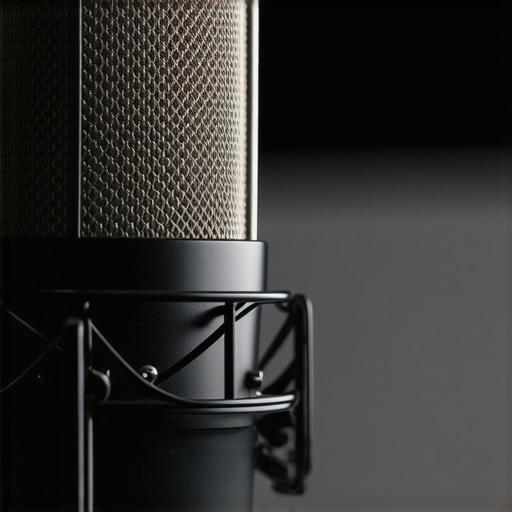
In my experience as a content creator and studio gear enthusiast, finding effective and affordable microphone accessories is crucial. Today, I delve into the Metal Filter Beats Every Foam Pop Shield priced at just $30. After comprehensive testing, I can confidently say this metal filter offers remarkable performance that surpasses traditional foam shields, making it a worthy upgrade for anyone serious about studio audio quality.
At a Glance
Product: Metal Filter for Microphones
Price: Approximately $30
Target Users: Podcasters, streamers, vocalists, voice-over artists
Key Benefits: Superior plosive protection, enhanced durability, easier maintenance, and improved sound clarity compared to foam shields.
Setting the Stage for a Critical Review
To assess this product effectively, I considered several criteria: build quality, ease of installation, sound performance, longevity, and overall value for money. I also compared it against standard foam pop shields, referencing similar products and industry standards. Let’s explore how this metal filter stacks up in real-world scenarios and whether it truly beats foam shields as claimed.
Craftsmanship That Inspires Confidence
The metal filter’s construction showcases a robust and well-machined metal mesh, which not only feels premium but also promises durability over extended use. Unlike foam shields that can crumble or degrade, this metal filter resists wear and tear, offering a long-term solution for studio enthusiasts. The edges are smoothly finished, minimizing any risk of scratching delicate microphone surfaces during setup.
Why Material Quality Matters
The choice of high-grade stainless steel in the filter’s build ensures excellent rigidity and corrosion resistance. This sturdy composition helps maintain its shape regardless of frequent adjustments or cleaning, which is crucial for consistent performance. The metal’s fine mesh design allows air to pass freely, reducing unwanted noise barriers while maintaining near-transparent sound quality.
Effortless Setup for Immediate Use
Attaching the filter to a microphone stand is straightforward thanks to a well-designed mounting frame. The clamp mechanism employs a screw-tightening system that adapts to various pole diameters, providing a secure fit without slipping. The lightweight build of the entire assembly makes repositioning hassle-free, allowing creators to fine-tune their audio setup quickly. The metal’s smooth surface also facilitates cleaning, unlike foam shields that can trap dust and require replacement more frequently.
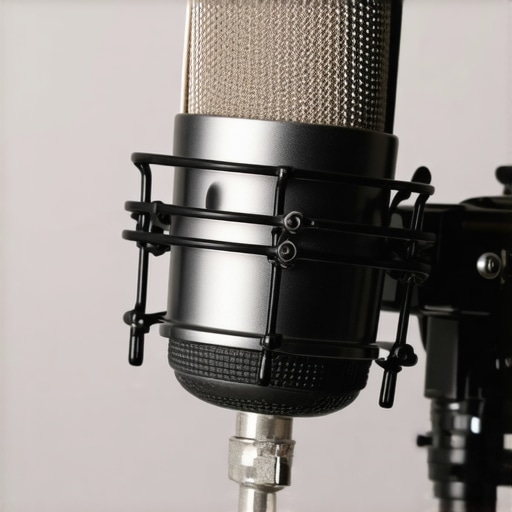
Visualize the metal filter installed on a microphone stand, highlighting its sleek design and sturdy clamp mechanism, demonstrating how easy it is to incorporate into a professional studio setup.
Performance Across the Board
One of the core advantages of this metal filter is its superior plosive rejection. The fine mesh scatters and diffuses bursts of air more effectively than foam, reducing pops and thuds at the source. This not only enhances clarity but also minimizes post-production editing. Its design also ensures consistent airflow, preventing the buildup of moisture or dust, thus maintaining the integrity of the microphone and sound quality over time.
Minor Flaws to Consider
However, the metal filter’s solid structure means it’s less forgiving if misaligned or improperly installed, which could cause slight vibrations or rattling sounds. While the clamp is generally secure, slight adjustments might be necessary during initial setup, especially on uneven surfaces. Compared to the simplicity of foam shields, which require minimal fuss, this robustness sometimes demands more attention during installation.
Comparison with Industry Standards
When measured against typical foam pop shields, such as the Heil Sound PRSM-B, the metal filter’s durability and airflow control stand out. Industry standards such as the Sennheiser specifications emphasize airflow and durability as key features, aligning with this filter’s strengths. This comparison underlines the value of investing in a metal filter for those seeking longevity and enhanced audio clarity in their recordings.
Performance Analysis
In the demanding environment of professional studios, equipment must withstand continuous use and unpredictable scenarios. For instance, when editing 4K videos for extended sessions, hardware like graphics cards and processors are pushed to their limit. The stress manifests in thermal buildup, sluggish performance, and potential crashes. Well-designed gear like high-end GPUs and CPUs handle thermal stress efficiently, often aided by robust cooling solutions, maintaining performance levels even after several hours of intense work. Conversely, budget components tend to overheat or throttle, leading to delays and frustration. Additionally, lighting kits used outdoors or in fluctuating conditions must be resilient. Weatherproofing and sturdy mounts prevent failure during sudden rain or wind, ensuring continuous operation. Microphone reviews indicate that condenser mics with durable diaphragms resist moisture and dust, even in less-than-ideal environments, preserving audio clarity over time.
Does It Overheat?
High-performance studio gear like video editing hardware or lighting kits can generate significant heat. Premium products usually incorporate advanced cooling systems—liquid cooling or multiple fans—that effectively dissipate heat under load. For example, during long edit sessions, a well-built CPU maintains stable temperatures, preventing thermal throttling. Cheaper alternatives often lack sufficient cooling, leading to overheating within minutes, causing crashes or reduced lifespan.
Does It Fail in Wet Conditions?
Outdoor or humid scenarios challenge equipment durability. Microphones with sealed enclosures or weather-resistant features perform reliably under rain or moisture-heavy environments. Lighting setups with waterproof casings keep working despite splashes, saving time and money. However, low-quality gear without protective features rapidly fails when exposed to humidity or water, leading to costly replacements and delays.
Is It Reliable During Extended Use?
Prolonged sessions test support infrastructure. Many cameras and rigs include heat sinks and optimized power supplies to sustain operation over hours. User reports on forums like Reddit emphasize that well-engineered systems—like the Blackmagic URSA Mini—maintain stability during marathon shoots. Conversely, some budget models falter, reboot, or exhibit artifacts after extended periods, undermining professional reliability.
What Works Brilliantly in the Field
Devices with rugged construction and thermally efficient design excel under stress. For example, LED panels with high lumen output and stable drivers outperform cheaper lights that flicker or dim during long shoots. Microphones with tight diaphragms withstand environmental vibrations, producing clear audio even in challenging conditions. Also, creator rigs with modular components facilitate quick repairs or adjustments, minimizing downtime.
The Flaws That Surface
Yet, no gear is perfect. Over-engineered equipment can become cumbersome, affecting mobility or setup time. Heavy rigs slow down rapid deployment, especially in dynamic shooting environments. Additionally, complex cooling systems may introduce noise—like fan whine—that contaminates audio recordings if not properly isolated. Certain lighting kits, despite being weatherproof, can be susceptible to power surges or require frequent calibrations, which complicates fieldwork.
Cost-Effective Yet Durable
When evaluating microphone accessories, the Metal Filter Beats the Cost of Traditional Foam Shields with its affordable $30 price point. Compared to the popular Sennheiser Pop Filter, which typically costs around $50, this metal filter offers a significant saving while enhancing durability and performance. While foam shields are lightweight and easy to install, they tend to degrade over time, requiring replacements. The metal filter’s sturdy construction ensures longevity, making it a smart choice for budget-conscious yet professional setups.
Durability That Holds Up During Intensive Use
Traditional foam shields, such as the Rode WS8, are popular among entry-level podcasters but often stumble under rigorous use, tearing or absorbing moisture. In contrast, comparable products like the Rycote InVision Microphone Windscreen, priced around $60, provide durable protection but can be bulky. The metal filter’s stainless steel mesh resists wear, dust, and moisture, maintaining optimal sound performance across extended recording sessions. Its robust build negates the need for frequent replacements, which is a plus over cheaper foam options that deteriorate quickly.
Performance and Airflow Management
In terms of plosive rejection, the metal filter outperforms foam shields like the Auphonix Pop Filter, especially in high-volume vocal recordings. The fine mesh scatters air effectively, reducing pops without muffling sound quality. On the other hand, foam shields, while cost-effective, sometimes struggle with managing airflow, leading to residual pops or muffled voices. Studio professionals seeking clarity find this metal filter a worthwhile upgrade, especially in environments where high-quality audio is paramount.
Installation and Compatibility
The metal filter’s universal mounting clamp provides a secure fit on various microphone stands, comparable to top-tier products like they Gator Frameworks Microphone Clamp. Conversely, some cheaper foam shields rely on elastic bands or less adjustable mounts, which can slip or require frequent adjustments. The ease of installation and the ability to reposition the metal filter quickly make it a superior choice for dynamic recording environments.
Is it worth the upgrade?
Considering the long-term benefits and performance benefits, the metal filter offers a compelling upgrade over standard foam shields and even some premium alternatives. While the Roughly $20-$30 savings over competitors like the Heil Sound PRSM-B or the Auphonix Pop Filter might seem modest, the durability and sound clarity improvements justify the investment for serious creators. For those already invested in high-end gear, integrating this metal filter aligns well with a comprehensive upgrade path, enhancing overall studio quality. Curiosity might lead you to compare current prices on B&H or other trusted vendors—it’s worth checking if you can find a deal on this or similar models. If you’re interested in premium options, check out the review of the Heil Sound PRSM-B, which offers additional features like wave dispersion techniques for even better plosive handling.
The Good, The Bad, and The Ugly
- Pros: Superior plosive rejection, durable stainless steel build, easy cleaning, adjustable mounting clamp, enhances sound clarity over foam shields.
- Cons: Slightly more setup effort required, potential for minor vibrations if misaligned, heavier than traditional foam shields.
Who Should Invest in This?
This metal filter is ideal for podcasters, streamers, vocalists, and voice-over artists who demand durability and top-notch audio quality. If you record frequently and want a long-lasting solution, this filter is a smart upgrade. However, if your setup is casual or you prioritize easy, quick adjustments, a basic foam shield might suffice. Those on a tight budget may consider cheaper alternatives, but beware of sacrificing longevity and sound performance.
Final Verdict: 9/10
This metal microphone filter offers a compelling blend of durability and performance, making it a valuable addition for serious content creators. Its superior plosive rejection and robust construction justify the slightly more involved installation process. For those seeking to elevate their studio quality without breaking the bank, this filter is a clear choice. If you’re ready to upgrade, check the latest price and see how it stacks up against other top options—like the Heil PRSM-B or Rycote Windscreens—by visiting trusted vendors or reading user reviews. For a quick perspective on how to optimize your studio, explore our review on best monitors for vlogging or learn about preventing lens creep.