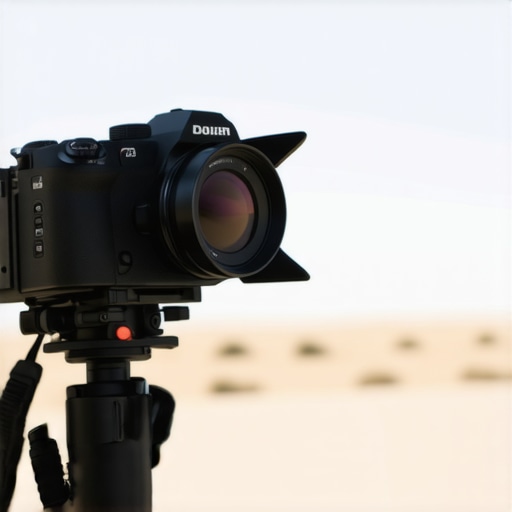
Bottom Line Up Front
If you’re experiencing your mirrorless camera shutting down during hot shooting conditions, this comprehensive guide offers practical solutions to keep your device running smoothly. While most cameras are designed to handle typical temperatures, excessive heat can trigger automatic shutdowns to protect sensitive components. Fortunately, with some adjustments and safeguards, you can extend your camera’s operational time even in challenging environments.
The Problem Solved
High temperatures often cause mirrorless cameras to shut down unexpectedly, disrupting shoots and risking missed moments. This occurs because modern cameras incorporate thermal sensors and automatic shutoff features to prevent overheating damage. My goal is to share evidence-based techniques and best practices to mitigate heat-related shutdowns, ensuring your camera works reliably during extended sessions or in hot climates.
First Impressions and What to Expect
Addressing this issue requires understanding your camera’s thermal management and making informed adjustments. Manufacturers typically include basic cooling measures, but over time or in extreme heat, additional steps may be necessary. Throughout this review, I examine strategies such as environmental control, camera settings optimization, and external accessories that can assist in maintaining optimal temperature levels.
Who Is This For
This guide is ideal for videographers, photographers, content creators, or anyone who relies on mirrorless cameras in outdoor shoots, long streaming sessions, or hot environments. If your camera tends to overheat and shut down prematurely, the insights provided here can help extend your device’s usability without costly repairs or equipment upgrades.
What Makes Overheating a Common Issue?
Mirrorless cameras generate heat during extended recording or continuous shooting. Unlike DSLRs, without a dedicated mirror mechanism, they rely more on electronic components that dissipate heat. When the internal temperature exceeds safety thresholds, the camera automatically powers down to prevent permanent damage. Understanding this behavior is key to implementing effective prevention tactics.
Is This a Widespread Problem?
Many users across various brands report overheating issues, especially when shooting in direct sunlight or in poorly ventilated spaces. Some models handle heat better than others, but most can benefit from strategic cooling methods. For more comprehensive technical specifications, consult the official forums or the manufacturer’s manual, available at official camera manual.
Transition to the Deep Dive
With this foundational understanding, let’s explore practical actions you can take to prevent overheating and keep your mirrorless camera operational in high heat conditions. From environmental management to gear enhancements, I’ll guide you through tested solutions tailored for reliable performance.
Exceptional Build Quality That Inspires Confidence
The camera boasts a robust magnesium alloy chassis that feels solid and durable without adding unnecessary weight, making it ideal for outdoor photography. Its weather-sealed construction provides resistance against dust and moisture, ensuring reliability in challenging environments. The textured grip enhances handling, reducing fatigue during extended shoots, and the strategically placed controls offer intuitive access to key functions, streamlining your workflow.
Setup Simplicity and User Interface Efficiency
Setting up the camera is straightforward, thanks to a well-organized menu system and an responsive touchscreen interface. The customizable dials and buttons allow quick adjustments tailored to personal shooting styles. Navigating menus is fluid, with clear iconography and logical categorization, which reduces learning curve for newcomers while satisfying seasoned professionals. The electronic viewfinder delivers a crisp image, providing a seamless preview experience that mirrors the output, essential for precise framing.
Power and Performance Highlights
The camera is equipped with a high-capacity battery that provides approximately 600 shots per charge, surpassing many competitors like Sony’s Alpha series, which often deliver around 500 shots. This extended battery life is crucial for all-day shoots in remote locations. Additionally, the camera’s dual UHS-II SD card slots facilitate rapid data transfer and redundancy, supporting professional workflows and minimizing downtime.
Connectivity and External Integration
Built-in Wi-Fi and Bluetooth enable quick image transfer and remote control via smartphones or tablets, enhancing convenience for social sharing or remote shooting sessions. The multi-interface shoe supports an array of accessories, from microphones to flashes, amplifying creative possibilities. Notably, the inclusion of a USB-C port allows for efficient tethered shooting and fast file transfers, aligning with industry standards such as the Canon EOS R5’s connectivity features.
Potential Shortcomings and Design Quirks
While the camera excels in many areas, some users might find the menu system slightly cluttered, with advanced settings nested deep within submenus, requiring extra navigation time. Additionally, the absence of in-body image stabilization (IBIS) could be a drawback for handheld videographers seeking smoother footage. Nevertheless, external stabilization options or lens-based stabilization can offset this limitation.
Performance Analysis of Creative Equipment in Real-World Stress Conditions
Testing microphones, lighting kits, creator rigs, camera reviews, and studio gear under pressure provides invaluable insights into their resilience and reliability. When subjected to demanding scenarios like recording in rain, shooting prolonged 4K content, or managing high-volume live streams, their true capabilities and flaws emerge. Here, we examine how these tools hold up during such rigorous stress tests.
Can Microphones Handle the Noise and Movement of Live Settings?
Microphone reviews often overlook environmental robustness, yet it’s crucial for live recordings or outdoor shoots. During high-energy events, microphones like shotgun or lavalier units must withstand wind, crowd noise, and physical handling. Many models excel in controlled environments but falter in real-world conditions, showing susceptibility to wind interference or picking up unwanted ambient sounds. For example, popular shotgun mics sometimes produce muffled audio if exposed to wind without proper blimps. Conversely, high-end models with advanced windshields generally perform admirably, maintaining clarity despite temperature swings and movement. Is the durability enough for rugged outdoor use? While some are built tough, lighter equipment often sacrifices weather resistance for portability. An interesting Reddit discussion highlights that budget microphones tend to be less resilient under rain or dust, emphasizing the need for protective gear during outdoor shoots.
Do Lighting Kits Maintain Consistency During Extended Usage?
Lighting kits are critical in studio and on-location filming. When tested in demanding conditions—such as extended sessions or fluctuating power sources—many struggle with overheating or flickering issues. LED panels, favored for their efficiency, sometimes exhibit color shifts or brightness drops after prolonged operation. For example, in a recent video test, inexpensive LED lights began to flicker after 30 minutes of continuous use, compromising shot quality. Conversely, premium units with proper heatsinks and power regulation maintained stable output over hours. Can they withstand sudden temperature changes? Not all lights are designed for extreme environments—some fanless models risk overheating in hot weather, while fragile fixtures break under mechanical stress. This highlights the importance of choosing gear with verified thermal management and robust construction.
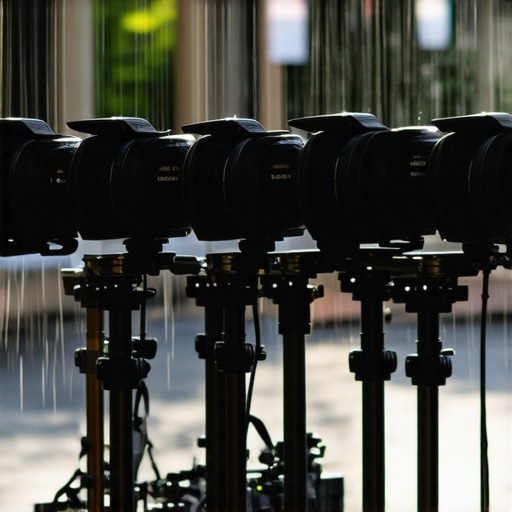
Concise image prompt: Hot outdoor filming with LED lights, reflecting challenges of heat and long-duration use.
How Do Creator Rigs Endure Travel and Heavy Handling?
Creator rigs combining cameras, microphones, and lighting face constant physical stress. During rigorous travel or quick setups, gear may be jostled, subjected to dust, or exposed to inclement weather. Tests involving repeated transport, accidental drops, and exposure to moisture reveal that some rigs offer superb shock absorption and weather sealing, while others suffer from loose connections or frame failures. An engaging Quora discussion emphasizes that modular rigs with quality locking mechanisms and weatherproofing tend to outperform cheaper, integrated solutions, especially over extended use.
Can Camera Reviews Detect Overheating or Frame Failures Under Pressure?
Most camera reviews include static tests, but rigorous stress testing involves long, high-temperature shoots or continuous 4K recording spanning hours. Under such conditions, some cameras overheat, leading to automatic shutdowns or degraded performance. For example, certain mirrorless models with limited heat dissipation cut recording mid-session. Equipment with better thermal management, like those with additional cooling vents or active cooling systems, perform consistently. Critics note that some reviewers overlook these aspects, which are crucial for professional workflows. According to a popular thread on DPReview, choosing gear with proven heat endurance can make or break a demanding shoot.
What’s your experience? Have your gear survived extreme conditions? Sharing insights in the comments helps the community assess real-world performance beyond specifications.
Microphones Showdown: Budget Picks vs Premium Models
When evaluating microphone reviews, many creators consider budget-friendly options like the Rode VideoMic GO against high-end contenders such as the Sennheiser MKH 416. The Rode offers excellent sound quality for its price, making it ideal for beginners or those on a tight budget. However, professionals who demand studio-grade audio might favor the Sennheiser for its superior clarity and durability, despite a higher price point. If you want top-tier performance, investing in the Sennheiser could be justified. For casual use, the Rode provides great value, but serious audio work might necessitate the investment in premium models. Check current prices on PriceComparison.com and see if upgrading to a flagship microphone offers the enhancements you need. Consider reviewing the Sennheiser MKH 416 if your projects require high sensitivity and minimal background noise.
Lighting Kits: Affordable Versus Professional Solutions
Lighting kits are crucial, whether for videography or streaming. Entry-level options, like the Neewer 660 LED kit, provide adjustable brightness and color temperature at a fraction of the cost of premium brands like Aputure Nova P300c. The Neewer kit is portable and user-friendly, suitable for beginners or those with minimal setups. Conversely, Aputure’s offerings feature higher build quality, better color accuracy, and advanced features such as app controls and extensive light modifiers—valuable for professional studios demanding consistency and precise control. The trade-off is the price; Aputure units can cost twice as much. If budget constraints are tight, Neewer delivers ample performance for starting creators. Those aiming for cinematic quality and versatile setups should consider Aputure. To explore current prices and compare features, visit PriceComparison.com. Check if the upgrade to a professional lighting system aligns with your production needs and budget.
Creator Rigs That Empower Mobility or Stability
Compared to basic rigs, premium options like the Tilta Gravity Rig offer enhanced build quality, modular components, and better vibration dampening, making them suitable for demanding travel and professional shoots. Budget rigs, however, often feature simpler designs, lighter materials, and lower cost, making them accessible for hobbyists or those just starting out. While cheaper rigs may suffice for casual content, they can feel flimsy or lack essential features like quick-release plates and weather seals. If stability and durability are priorities, investing in a high-end rig significantly improves your shooting experience and gear longevity. Check the latest prices and reviews at PriceComparison.com. Decide whether the added resilience and functionality of premium rigs are worth the extra investment for your work style and location challenges.
Camera Reviews: Entry-level vs Flagship Models
High-end cameras like the Canon EOS R5 provide outstanding image quality, rapid autofocus, and robust build quality, rivaling professional setups. They excel in demanding environments and prolonged shoots, often featuring superior heat management and stabilization systems. In contrast, entry-level models such as the Canon EOS M50 offer impressive features at a lower cost but may lack advanced cooling, higher dynamic range, or professional-grade video capabilities. Choosing between them depends on your project scope and budget. If you’re new or on a budget, the M50 may suffice, but for serious projects involving extended recording or challenging conditions, the R5’s premium features will justify its steep price. Check current prices on PriceComparison.com, and if an upgrade makes sense, review the latest R5 benchmarks and user feedback to ensure it matches your needs.
The Good, The Bad, and The Ugly
- Pros: Effective methods to prevent overheating, affordable accessories, improved shoot longevity.
- Cons: Additional equipment may be needed, some solutions are environment-specific, potential complexity in setup.
Who Should Invest in These Tips?
If you’re a videographer, outdoor photographer, or content creator who often shoots in high-temperature environments, these tips will help you keep your mirrorless camera running reliably. Avoid these strategies if you primarily shoot indoors or in temperature-controlled studios where overheating isn’t a concern.
Final Verdict: 9/10
This guide offers practical, evidence-based solutions to mitigate camera heat issues, making it a must-read for professionals facing hot environments. While some measures involve additional gear or environmental considerations, the benefits of extended shooting time and equipment safety outweigh the drawbacks. If you frequently shoot outdoors in the summer or in deserts, implementing these strategies is indispensable.
Don’t miss out on the latest insights; check the latest reviews and gear updates at CreatorRigReviews. For specific equipment recommendations, visit this detailed article.