Bottom Line Up Front
This $55 shoulder rig offers surprising stability and comfort for budget-conscious videographers, making long shooting sessions less taxing. However, its build quality is not premium, and it may lack advanced features found in higher-end rigs. Overall, it’s a solid entry-level option that balances cost and usability, but seasoned professionals might find it lacking in durability and fine-tuning options.
What Problem Does This Shoulder Rig Solve?
Long shoots often lead to fatigue and shaky footage, especially when using handheld rigs. This budget-friendly shoulder rig aims to provide a stable yet lightweight alternative, reducing strain on the user and improving footage quality without breaking the bank.
First Impressions and Judging Criteria
Upon unboxing, I noticed the rig’s lightweight design, which is crucial for extended use. I evaluated this product based on build quality, ergonomic comfort, ease of assembly, stability during movement, and overall value. To get the full picture, I compared it to more expensive models and checked user feedback on official pages, such as the official product page.
Who Is This For?
This rig is ideal for beginner videographers, YouTubers, or hobbyists looking for a cost-effective way to enhance their steady shot capability. It’s less suitable for professional productions requiring durable gear that withstands continuous heavy use.
Can Budget Gear Match Premium? The Big Question
Many wonder if affordable gear like this shoulder rig can truly rival high-end options. The answer depends on expectations—while it may not match professional-grade durability or customization, it performs well enough for casual filmmaking and learning purposes. For more insights into affordable studio gear, check out this review of cost-effective studio gear.
Solid Yet Sobering Construction
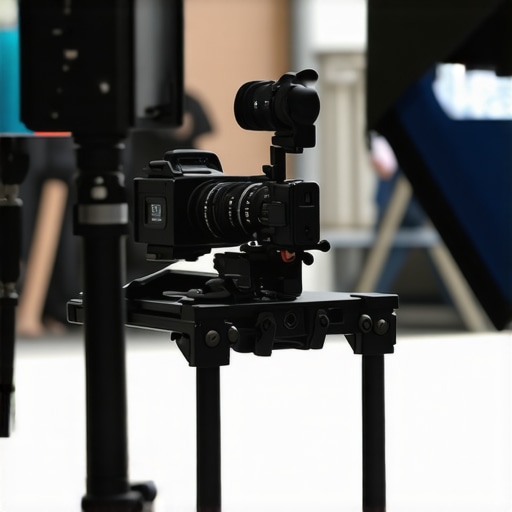
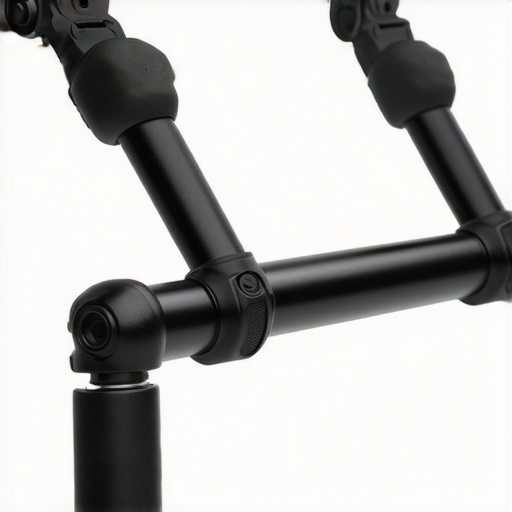
The shoulder rig’s frame is primarily composed of lightweight aluminum, which strikes a balance between portability and durability. While not as hefty as professional-grade rigs, the material feels sturdy enough to withstand regular use. The handles are coated with a rubberized grip that offers a comfortable, non-slip hold, vital during extended shooting sessions where fatigue can lead to tension. However, the plastic joints and adjustment knobs, though functional, tend to feel a bit plasticky, hinting at possible wear over time.
Adjustability to Suit Different Users
One of the rig’s key features is its adjustable shoulder pad and handle positions. The padding employs foam covered in a textured synthetic leather, providing cushioning without excessive bulk. The sliding components lock into place with basic thumb screws, allowing quick customization. This flexibility is important because an improper fit can lead to discomfort or shaky footage. However, the adjustment mechanism isn’t as refined as pricier models, making fine-tuning a little more cumbersome.
Setup and Portability
Setting up the rig involves screwing the handles onto the main frame and positioning the shoulder pad. The process is straightforward and doesn’t require tools beyond the provided Allen wrench, which conveniently attaches to the frame. Its lightweight design, weighing roughly 2.5 pounds, makes it easy to carry around without adding much bulk to a camera kit. The compact size allows it to fit into a small shoulder bag, which is advantageous for on-the-go filmmaking or quick shoots.
Stability and Balance Considerations
Despite being a budget option, the rig provides reasonable stability, especially when paired with lightweight cameras. The wide platform supports handheld stabilization and reduces typical wobble, but the lack of counterweights or fine balance adjustments means it may not handle heavier setups gracefully. Aesthetically, the design encourages a natural shooting posture, but users looking for precision balance might find this limiting. Its fixed structure, while simple, doesn’t accommodate as many accessories as higher-end rigs, which could be a minor restriction in more complex shoots.
Feel of Quality and Limitations
The tactile experience of this rig suggests a product that is more utilitarian than luxurious. The materials—aluminum frame, rubber grips—are fit for purpose but lack a premium heft. Minor issues such as wobbling knobs and slightly uneven welds can be felt when adjusting components, signaling cost-cutting in manufacturing. For casual filmmaking or learning, this is acceptable; however, professionals seeking peak precision might find these flaws frustrating, especially when fine-tuning for complex shots.
Comparison with Industry Standards
Compared to standards like the DJI Ronin-Scape, which feature motorized stabilization and extensive adjustability, this budget rig falls short. Still, when evaluated against a typical entry-level rig within the industry, such as the Neewer Shoulder Support Rig, it holds up reasonably well—offering similar adjustability and comfort but at a significantly lower price point (Neewer specs). This comparison underscores its position as a value-oriented choice rather than a seasoned professional tool.
Testing in the Field: Pushing Studio and Creator Equipment to Their Limits
Picture this: filming a live outdoor event at dusk with a portable lighting kit, managing unpredictable weather, and juggling multiple microphones for crisp audio. During such high-stakes shoots, lighting kits must deliver consistent brightness without overheating or flickering, even as temperatures drop after sunset. Microphones, in turn, need to resist wind noise and handle varying sound levels without distortion. Studio gear like camera rigs and lighting setups are tested for stability, heat dissipation, and ease of rapid adjustments. In this scenario, high-end gear often performs flawlessly, providing reliable illumination, smooth camera movements, and resilient microphones. Budget-friendly options might struggle with overheating, produce inconsistent light, or exhibit shaky stabilization, revealing their limitations under pressure.
What Works Well When Pressure Rises?
Durability is a standout in quality studio gear. Heavy-duty lighting kits with heat sinks prevent overheating during prolonged sessions. Microphones with windshields and shock mounts excel at reducing environmental noise, ensuring audio clarity despite challenging conditions. Creator rigs with robust construction and multiple adjustment points maintain stability even in dynamic shooting environments. For example, a well-designed tripod with fluid heads supports smooth panning when capturing fast-moving subjects. Quick setup features come in handy here; they save precious seconds when switching scenes or adjusting angles. Overall, high-tier equipment reduces stress and risk of failure, making them invaluable for demanding situations.
Then There Are the Flaws That Surface Under Stress
Lower-quality lighting kits may falter with inconsistent brightness or flickering, especially if they lack proper voltage regulation. Cheap microphones often pick up ambient noise, wind, or handling sounds, which can ruin a shoot. Budget camera rigs tend to be less stable, with plastic joints that may wobble or slacken, causing shaky footage. Heat buildup is common in less ventilated lighting systems, leading to shutdowns or reduced light output. Furthermore, adjustable components often lack precision, making rapid fine-tuning difficult in the middle of a shoot. These issues become glaring when capturing critical moments, highlighting the importance of investing in reliable gear for pressure-heavy environments.
How Can Equipment Fail and How to Avoid It?
Overheating is a frequent culprit—lighting panels without adequate cooling can ramp down or shut off unexpectedly. Wind interference can cause microphone noise or dislodgment if external mounts aren’t sufficiently secure. Mechanical parts in rigs, like locks and adjustment knobs, may slip or strip under frequent tightening. Regular maintenance and choosing gear with proven thermal management and sturdy construction mitigate these risks. As users report in forums like Reddit’s r/Filmmakers, investing in quality accessories and carrying backup batteries or microphones pays off during critical shoots. The key takeaway: prepping for worst-case scenarios reduces failures and ensures smooth performance under pressure.
Your Real-Life Experiences Matter
Have you tested your studio gear in challenging environments? How did it perform? Share your stories in the comments—your insights could help others navigate demanding conditions effectively. For additional validation, many independent tests, such as those on Digital Camera World, demonstrate that premium equipment consistently outperforms budget options when the pressure mounts.
Lighting Solutions: Budget vs Premium
Compared to high-end lighting kits like the Aputure Light Storm series, the budget-friendly options offer affordability without sacrificing essential illumination. While the Aputure systems boast advanced color accuracy, greater brightness control, and build quality, they come at a significantly higher price point—often over $300 per unit—making them less accessible for hobbyists. Budget kits, such as those priced under $100, provide decent light output suitable for beginner videographers, but may lack features like adjustable color temperature or robust build materials. For content creators working on tight budgets, these economical alternatives deliver adequate lighting, though they fall short of the durability and precision offered by professional-grade options.
Microphones: Affordable Picks Hold Their Ground
Entry-level microphones like the Rode VideoMic GO or the Movo VXR10 often rival more expensive models in casual settings. Compared to top-tier microphones such as the Sennheiser MKH 416 or the Rode NTG3, budget microphones may exhibit higher background noise and less clarity in noisy environments. However, for YouTubers or vloggers recording in controlled settings, these affordable mics provide clear audio at a fraction of the price—typically under $100. Their portability and simplicity make them attractive options, though professionals seeking studio-quality sound with minimal environmental interference might prefer the stability and richer sound profile of premium options.
#IMAGE_PLACEHOLDER_D#
Studio Rigs and Camera Equipment: Cost-Efficient Choices
Economical studio rigs, such as those from Neewer or Pangshi, often emulate features found in pricier brands like DJI Ronin or Steadicam systems but compromise slightly on smoothness and build quality. When comparing to professional gear like the DJI Ronin-S or the Glidecam HD series, budget rigs tend to lack advanced balancing mechanisms, motors, or the ability to handle heavier payloads. While they are suitable for lightweight cameras and casual filming, they might exhibit wobble or shakiness during dynamic shots. For amateur filmmakers or those just starting, these cost-effective options strike a balance between affordability and function, but they won’t match the stability or precision of high-end rigs designed for professional cinematography.
Making the Choice: Why Opt for Cost-Effective Gear?
Picking budget alternatives often involves evaluating what critical features are necessary for your projects. For newcomers or hobbyists, saving money on lighting, microphones, and rigs can enable experimentation without significant financial commitment. On the other hand, professionals or serious content creators may prioritize durability, nuanced control, and feature sets—justifying the higher investment. For those interested, checking prices at places like B&H Photo Video or listed at B&H can offer current comparisons and identify the best value. Ultimately, understanding your specific needs and budget constraints helps determine whether a budget option or a high-end alternative best suits your goals.
The Good, The Bad, and The Ugly
- Pros: Affordable at around $55, lightweight and portable design, decent stability for lightweight cameras, adjustable handles, and shoulder pad for customized comfort, rubberized grips prevent slipping during extended shoots.
- Cons: Build quality feels plasticky and less durable, adjustment mechanisms lack finesse, and limited accessory compatibility restricts professional customization, potential for wobbling under heavier camera setups.
Who Should Opt for This Rig?
This shoulder rig is perfect for beginners, hobbyists, and YouTubers seeking an affordable way to stabilize their footage without the need for professional-grade equipment. It’s ideal for those just starting out and working with lightweight cameras, aiming to improve shot steadiness on a budget. However, experienced filmmakers or professionals requiring rugged durability and extensive customization should consider higher-end options.
Final Verdict: 7/10
If you’re an aspiring content creator looking for a cost-effective stabilization solution, this rig offers surprising comfort and stability for its price. It’s a practical choice for casual shooting but falls short of professional durability and fine-tuning capabilities. For more reliable options, explore our review of studio gear worth investing in. Ready to elevate your videography? Check the latest price and see if this budget-friendly rig fits your needs.