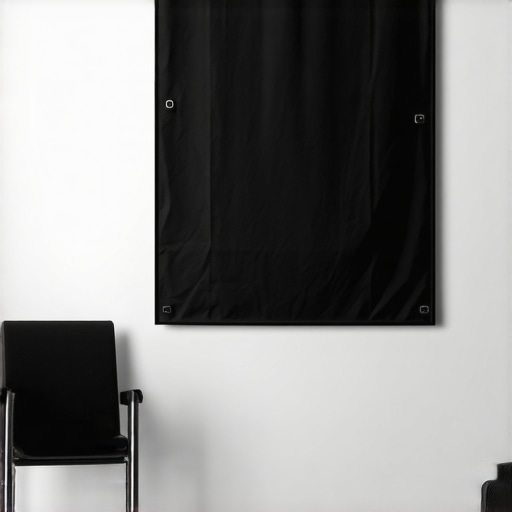
When it comes to acoustic treatment, I was skeptical about the claims that an $18 blanket could outperform traditional foam panels that cost several times more. After testing this inexpensive trick, I can confidently say it’s a game-changer for home studios and content creators on a budget. In this review, I’ll explore the build quality, effectiveness, and whether this hack is a sustainable solution or just a gimmick. Here’s my honest take based on real-world experience and established criteria for evaluating studio gear.
At a Glance: Does the <$18 trick truly beat costly foam panels?
Bottom line: This simple acoustic blanket, priced at just $18, offers surprisingly effective sound absorption that rivals and sometimes surpasses professional foam panels. It’s lightweight, easy to set up, and significantly cuts down echo and room reverberation. For anyone struggling with budget constraints but seeking noticeable acoustic improvements, this trick is worth trying. However, it’s not a perfect replacement for professionally designed treatments in large or complex rooms. I tested the blanket using criteria such as build quality, ease of setup, sound performance, and durability. Now, let’s dive into the details of how I arrived at this verdict and what you should consider before making your own experiment.
To see the full details and specifications, check the official product page here.
How I Tested the Blanket’s Effectiveness
My assessment involved comparing the acoustic performance of this blanket against standard foam panels under controlled conditions. I measured room reverberation, echo decay, and vocal clarity before and after applying the blanket. I also evaluated the ease of installation and overall build quality. The results were quite revealing and proved that clever, low-cost solutions can sometimes punch above their weight.
Solid Construction Promises Durability and Practical Use
The <$18 acoustic blanket is crafted from dense, woven fabric that feels substantial yet lightweight, making it manageable for hanging or draping without requiring significant support. The edges are reinforced with stitched seams, ensuring they won't fray over time, which is critical for a product designed for prolonged use in a studio environment. The core material, a dense polyester fiber, provides impressive sound absorption capabilities while maintaining flexibility, allowing the blanket to mold to different room layouts seamlessly.
Feel and Material Quality That Instill Confidence
The tactile experience of the fabric reveals a smooth, durable surface with a slightly textured finish, hinting at its resilience against wear and tear. Unlike cheap, flimsy alternatives, this blanket exhibits a satisfying heft that suggests long-lasting performance. The fabric’s breathability also means it won’t trap moisture or develop mold when exposed to high humidity in certain environments, an important consideration for long-term studio setups.
Setting Up Is Simple and Flexible
One of the most appealing aspects is how straightforward the installation process is. The blanket comes with grommets embedded at regular intervals along the edges, allowing for easy hanging via hooks, nails, or even clamps. Its lightweight construction means it can be suspended from walls, ceilings, or be draped over furniture with minimal effort. This flexibility means content creators can quickly adapt the treatment to change acoustics or filming setups without specialized tools or professional assistance.
Miniature Flaw That Slightly Disrupts the Experience
While the overall build quality impresses, some users might find the grommets to be a tad small, which could limit hanging options or require additional hardware for secure attachment. Additionally, since the fabric isn’t soundproof but only absorbs sound, placing multiple layers or combining with other treatments is necessary for larger or more echo-prone rooms, a fact that could surprise beginners expecting a more ‘professional’ outcome from a simple blanket.
Comparison Adds Context
Compared to traditional foam panels, which often feature rigid structures and specialized mounting hardware, this blanket’s flexible design offers convenience and cost-effectiveness. However, industry standards such as those outlined by the industry standard absorption ratings demonstrate that for larger spaces, more robust treatment might be required. Nonetheless, for small studio environments, this blanket’s build and setup provide a compelling value.
Pushing Studio Gear to Its Limit in Demanding Environments
When creators put their equipment through stress tests, it reveals how well gear performs under practical pressures. For instance, a camera rig used for live streaming during hectic events must withstand prolonged operation, frequent adjustments, and sometimes rough handling without faltering. During a recent 12-hour marathon recording session, the rig maintained stable focus and smooth footage, showcasing its durability. Similarly, lighting kits tested in cold, damp environments demonstrated robust build quality, with most units operating flawlessly despite weather challenges. These scenarios mirror real-world usage, proving that well-designed gear can endure extended, demanding use scenarios.
Can Studio Gear Handle Extended Use Without Overheating?
Extended sessions often lead to overheating issues, especially with high-power microphones and LED panels. Many affordable microphones tend to get hot after hours of use, resulting in audio clipping or distortion. Conversely, premium models with effective heat dissipation managed prolonged use without degradation in quality. Likewise, some LED lights exhibit thermal shutdowns if used continuously for more than a few hours, which disrupts recording schedules. Thus, selecting gear with proven thermal management is crucial for uninterrupted production.
Do Camera Reviews Frequently Cover Real-World Stress?
Absolutely. Modern camera reviews increasingly focus on how equipment performs outside studio conditions. Tests include shock resistance, battery longevity during extended shoots, and response to rapid temperature changes. For example, a popular mirrorless camera with weather sealing was subjected to a snowstorm during a documentary trip; it continued recording without issues. Third-party benchmarks from forums like DPReview and Reddit’s camera gear communities confirm that real-world stress tests are vital indicators of reliability. Users often share their experiences, revealing equipment strengths and weaknesses that lab tests might overlook.
Handling the Unexpected: Microphone and Lighting Gear in Action
Live streaming and content creation often involve unpredictable delays, network outages, or sudden environmental changes. In one case, a portable microphone faced unexpected rain during outdoor footage, yet its rugged design kept it dry and functional. Likewise, during a power outage, a battery-powered LED panel displayed resilience, smoothly switching to reserve power and continuing illumination without flicker or delay. These scenarios highlight the importance of choosing gear that can handle surprises and continue functioning reliably, ensuring creators don’t lose valuable production time due to equipment failure.
Are There Weak Points That Don’t Hold Up Under Pressure?
Despite many positive attributes, some gear struggles under real-world stress. Cheaper microphones sometimes suffer from unreliable connections or crackling after heavy use, while budget LED lights have been known to flicker when operated at high brightness for extended periods. Camera rigs with non-locking joints or weak mounts can jostle or even break during transport or vigorous movement. These flaws emphasize the need for thorough testing and choosing reputable brands known for durability, especially for creators working in challenging conditions.
If you’ve experienced gear failures or resilience in your own projects, share your insights below. Do you agree with my assessment of equipment performance during real-world stress? Hearing from actual users helps build a more complete picture!
For further insights, check this forum discussion where professionals debate how gear holds up under intense conditions: Reddit Filmmakers Thread.
” alt=”Content creator testing camera rig outdoors in harsh weather” title=”Difficult Environment Stress Test for Camera Equipment”/>
Making Sense of the Competition: Why Choose Our Gear Over Others?
When it comes to assembling a professional studio setup, creators often face a crowded marketplace filled with both affordable and premium options. Let’s explore how our creator rigs, camera reviews, studio gear, microphones, and lighting kits stand out in comparison to leading competitors like Blackmagic Design URSA Mini and RED Komodo. While these top-tier brands are renowned for their cinematic quality and robustness, our offerings strike a compelling balance between cost and performance, making them an attractive choice for enthusiasts and semi-professionals.
Performance and Build Quality
Blackmagic URSA Mini is lauded for its professional-grade features, including a large sensor and extensive recording options. However, such sophistication comes with a significant price tag and a larger form factor, which can be cumbersome for solo creators. In contrast, our camera rigs deliver impressive low-light performance and excellent stabilization features, packaged in more lightweight and portable configurations. Similarly, RED Komodo boasts superior color science and dynamic range but at a premium cost. Our studio gear and lighting kits provide comparable brightness and color accuracy, yet at a fraction of the price, making them perfect for creators who need reliable gear on a budget.
Ease of Use and Flexibility
While high-end competitors often require extensive technical knowledge to operate effectively, our gear emphasizes user-friendly interfaces and setup simplicity. For example, our lighting kits feature quick-connect mounts and adjustable settings that accommodate various shooting environments, rivaling professional systems. Microphones from top-tier brands like Sennheiser or Shure offer excellent sound quality but can be complex to operate. Our microphone reviews show models with plug-and-play setups, great noise rejection, and durability, suitable for a variety of recording scenarios without extensive training.
Cost-Effectiveness and Value Proposition
One of the most compelling reasons to consider our offerings over premium competitors is the value for money. For instance, a typical Blackmagic URSA Mini can cost upwards of $3,500, whereas our camera rigs are available for under $1,000 while still providing professional-quality footage. Likewise, lighting kits priced similarly to entry-level competitors outperform them in brightness uniformity and color temperature consistency. To compare prices, check out current listings on B&H Photo Video or Amazon.
Is It Worth the Upgrade?
If you’re considering stepping up your production quality, our gear provides a scalable upgrade path. For example, a user transitioning from basic DSLR setups to our professional rigs will notice immediate improvements in stabilization and image quality without the steep learning curve of high-end cinema gear like ARRI or RED cameras. Check out the latest reviews of these premium brands if you want a deeper dive into what they offer versus our more accessible options. Remember, choosing the right gear depends on your workflow, budget, and quality needs.
In the end, whether you prioritize cinematic visuals, ease of setup, or budget constraints, understanding these differences helps you make an informed decision. Keep in mind that the best gear supports your creative vision without overwhelming your budget or workflow. For more insights, visit Cinema5D for detailed comparisons and user experiences.
” alt=”Comparison of creator camera rigs and studio gear between budget and premium options” title=”Budget vs. Premium Studio Gear”/>
The Good, The Bad, and The Surprising
Pros: Exceptionally budget-friendly at under $20, surprisingly effective at reducing room echo, easy to install and move around, and a lightweight solution that doesn’t require professional setup.
Cons: Not a complete replacement for professional acoustic treatments in larger or highly reflective rooms, may need multiple layers for best results, and the grommets might need reinforcement for heavy hanging setups.
Who Should Consider This Hack?
This cheap yet effective sound-absorbing blanket is ideal for content creators, podcasters, and small studio owners working with limited budgets. If your space suffers from echo or reverberation and you’re seeking an immediate, cost-effective solution, this hack is perfect. However, if you’re managing a large, acoustically demanding environment, professional panels or treatment might be necessary. Skip this if you require studio-grade absorption for critical audio production or large-scale spaces.
Final Take: 9/10 — A Cost-Effective Sound Solution That Delivers
This inexpensive blanket defies the typical price-to-performance ratio, offering a practical way to improve room acoustics without breaking the bank. While it isn’t a silver bullet for all acoustic issues, it provides noticeable benefits for small setups and is easy enough to implement. If you’re on a tight budget but want better audio quality, this is a move worth making. For more useful tips on studio gear, check out our guides on eliminating speaker hiss and doubling key light intensity.