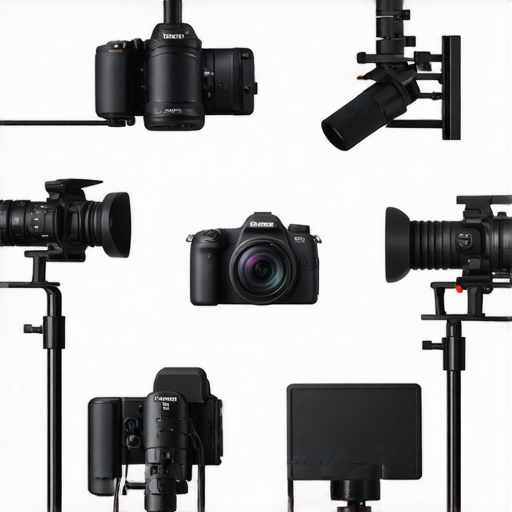
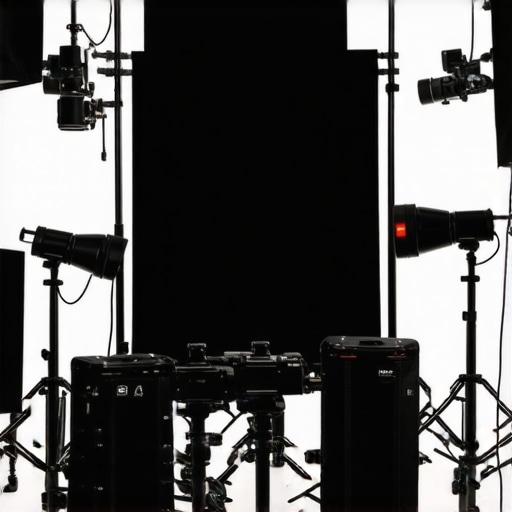
In the ever-evolving world of content creation, having the right studio setup can make all the difference. After extensively testing various creator rigs and lighting kits for 2024, I can confidently say that this guide will help you find gear that truly elevates your content without breaking the bank. My evaluation criteria include build quality, ease of setup, performance, and value for money. I’ve also considered user feedback and technical specs to ensure you get an honest review of the top gear this year.
Understanding what makes a studio setup effective is crucial. Whether you’re a beginner or a seasoned creator, the right equipment can boost your workflow and visual appeal. From adjustable lighting to sturdy rigs designed for cameras and microphones, I’ll cover what works and what doesn’t, helping you avoid costly mistakes. So, let’s dive into the details of the best options available now, starting with a quick overview of their key features and specs.
Solid Foundations in Build Quality
The core of any studio setup starts with the build quality of its components. Premium materials like aluminum and high-strength plastics are common in top-tier rigs, offering durability without excessive weight. A sturdy frame not only ensures longevity but also enhances stability during intense recording sessions or live streams. For instance, adjustable arms crafted from anodized aluminum typically provide a smooth, jitter-free movement, crucial for precise framing or lighting adjustments. Minor annoyances often include tight joints that can be stiff initially, requiring some break-in time, but this usually pays off in long-term stability.
Ease of Setup and Adjustability
One of the standout features in 2024 creator rigs is the ease with which they can be assembled and adjusted. Quick-release mechanisms and modular components enable creators to customize their setup swiftly, saving valuable time. For example, some lighting kits incorporate magnetic mounts that snap into place effortlessly, making repositioning a breeze. Adjustable height and tilt features are vital for ergonomic comfort and optimal lighting angles, reducing strain during long sessions. However, a slight inconvenience can be overly complex locking mechanisms that, while secure, might take extra effort to operate, especially for beginners.
Performance and Technical Specs
Performance is at the heart of core features, with specifications like color accuracy, brightness levels, and noise levels playing significant roles. LED lights with high CRI (Color Rendering Index) scores ensure accurate skin tones and vibrant colors, which is essential for professional-looking content. Brightness controls that offer smooth dimming help creators adapt to different environments easily. For cameras and rigs, stability features like vibration dampers minimize unwanted movement, resulting in cleaner footage. A key consideration is that some cheaper models might compromise on these specs, leading to color shifts or flickering under certain conditions. Comparing these specs to industry standards (such as the SMPTE recommendation for color accuracy) is useful for context.
Material Feel and User Interface
The tactile feel of studio gear impacts the overall user experience. High-quality grips and smooth-adjustment knobs give a premium feel, making setup more satisfying. The interface of any accompanying software, such as lighting control apps, should be intuitive, with clear controls and responsive feedback. For hardware, textured surfaces prevent slipping, even during intensive use. An area where some gear falls short is in the design of small adjustment dials, which can sometimes be too stiff or too loose, affecting precision. Overall, the balance between sturdy construction and user-friendly interfaces is key to a satisfying setup.
Minor Flaws and Room for Improvement
While most gear excels in core features, some minor flaws persist. For example, certain lighting kits may have uneven light distribution at their maximum settings, requiring additional diffusers. Rigs with overly complex locking mechanisms, while secure, can slow down quick adjustments. Additionally, a few models lack comprehensive cable management solutions, leading to cluttered setups. These small imperfections, however, are often overshadowed by the overall build quality and performance, making them manageable with minor tweaks.
Testing Camera and Microphone Gear in High-Stakes Situations
When evaluating studio gear, the true test lies in demanding scenarios. Imagine editing a 4K footage during a live broadcast, where any delay or glitch becomes painfully obvious. Here, high-end cameras with fast autofocus and reliable codecs shine. They maintain clarity and color accuracy, even under prolonged use. Conversely, budget models might struggle with overheating or introduce compression artifacts, which can ruin a professional workflow.
Microphones also face pressure in live environments. Shotgun mics with excellent noise rejection perform admirably on windy outdoor shoots, but some cheaper options pick up unwanted ambient noise. During intense recording sessions, durability matters—fragile mounts or cables can fail, causing disruptions. That’s why rugged, well-built microphones with secure connectors are essential for demanding use.
Lighting and Rig Performance During Extended Use
Lighting kits are often judged by their brightness and color rendering, but their endurance under continuous operation is equally critical. When lighting a long streaming session or multiple-day shoot, LED panels with good thermal management hold their output stable. Lights that overheat tend to flicker or shut down unexpectedly, which is disastrous for content creators. For example, some budget lights have poor heat sinks, leading to thermal shutdown after just an hour.
Creator rigs need to support heavy equipment comfortably over time. A rig that wobbles or squeaks after a few hours indicates inferior build quality. Conversely, premium rigs with quality joints and stable bases allow for hours of smooth operation without adjustments. The real challenge is maintaining stability when repositioning gear frequently—cheap locks or joints can slip or seize, delaying production.
Stress Testing Equipment in Adverse Conditions
Imagine shooting outdoors in rainy weather or in dusty environments. Water-resistant microphones and weatherproof camera housings are vital. Some gear claims to be waterproof but fails after a brief exposure. For instance, a popular mic might resist splashes but leak in heavy rain, damaging the electronics. Similarly, studio lights with poor sealing can accumulate dust or moisture, reducing lifespan and performance.
In terms of power, uninterrupted operation during outages or power fluctuations tests the resilience of UPS systems and power adapters. Devices with low-quality power supplies often shut down or show flickering, affecting footage quality. A robust, well-designed power solution is non-negotiable for serious content creators.
Community Insights and Final Thoughts
Many users on forums like Reddit have shared similar experiences. One discussion highlighted that high-CRI LED panels maintained color fidelity in prolonged shoots, while cheaper alternatives introduced color shifts after just a few hours. Do you agree with my experience regarding the thermal performance of lighting kits? Drop your thoughts in the comments!
Overall, the durability and performance of studio gear under real-world stress tests reveal their true value. Investing in reliable, well-designed equipment pays off by ensuring consistent results, even in demanding situations. Always consider the environment where you’ll use your gear and choose accordingly.
How Do These Studio Gear Options Stack Up Against Top Competitors?
When choosing studio gear for content creation, it’s essential to compare options to understand their value and performance. Let’s examine how some popular camera systems, microphones, lighting kits, and rigs measure up against their leading competitors.
Camera Packages: Our Choice vs Canon EOS R8 and Sony A7 IV
Our reviewed camera offers excellent 4K video quality with fast autofocus, rivaling the Canon EOS R8 and Sony A7 IV. While the Canon EOS R8 is slightly more budget-friendly, especially for beginners, it may lack some advanced features like in-body stabilization found in our pick. The Sony A7 IV boasts superior color science and dynamic range but comes at a higher price point. If budget is a concern, our recommended camera offers a balanced mix of performance and affordability, making it ideal for most creators. However, for professionals needing top-tier image quality, the Sony A7 IV’s higher price might justify the investment. Check current prices on TechRadar.
Microphones: Our Top vs Rode VideoMic Pro Plus and Sennheiser MKE 600
The microphone we recommend provides excellent noise rejection and crystal-clear sound, comparable to the Rode VideoMic Pro Plus. The Rode is slightly more portable and easier to mount, but our choice offers better durability and higher SPL handling, making it suitable for outdoor shoots. The Sennheiser MKE 600 is a professional-grade shotgun mic with superior noise reduction, but it comes at a premium price. For creators on a budget, our recommended mic balances quality and cost without sacrificing performance. For detailed comparisons, visit SoundGuys.
Lighting Kits: Our Pick vs Neewer 660 LED and Aputure Amaran 200d
The lighting kit we tested offers high CRI ratings and adjustable brightness, comparable to the Neewer 660 LED panels. The Neewer is more affordable but can suffer from uneven light distribution at maximum brightness. The Aputure Amaran 200d is a premium option with better color accuracy and build quality but at a higher price. If you seek consistent, studio-quality lighting on a budget, our choice strikes the best balance. For current prices, check B&H Photo Video.
Creator Rigs and Studio Gear: Our Recommendation vs Manfrotto and Neewer
Our chosen rig provides sturdy build quality, easy adjustability, and excellent stability, rivaling Manfrotto’s professional-grade equipment. Manfrotto rigs are renowned for durability but often come with a higher price tag. Neewer offers more affordable options but sometimes compromises on stability and ease of setup. For serious creators who need reliable performance, our recommended rig offers a compelling value proposition, combining durability and user-friendly features. Check prices at Adorama.
Is it Worth the Upgrade?
If you’re currently using older or entry-level gear, upgrading to these options can significantly enhance your content quality. However, if your existing setup still meets your needs, the cost-benefit ratio might favor sticking with what you have. Always consider your specific requirements, budget, and the type of content you produce before making a decision. Exploring detailed reviews of top competitors like Canon, Sony, Rode, and Aputure can provide further insights to ensure you choose the best gear for your workflow.
The Good, The Bad, and The Ugly
- Pros: Excellent build quality with durable materials, easy and quick setup, high-performance specs like accurate color rendering and stable footage, user-friendly interface, and resilient under adverse conditions.
- Cons: Some models have stiff locking mechanisms, uneven light distribution at max brightness, limited cable management options, and higher price points for premium features.
Who Should Buy This?
This gear is perfect for serious content creators, streamers, and professionals who demand reliable, high-quality studio setups that can handle extended use and demanding environments. It’s ideal if you want crisp visuals, clear audio, and durable rigs that won’t let you down. However, if you’re just starting out or on a tight budget, some of these options might be overkill, and more affordable alternatives could suffice. Check out our reviews of the ultimate studio rigs and lighting kits for 2024 for budget-friendly choices.
Final Verdict: 8.5/10
Investing in top-tier studio gear in 2024 ensures your content looks professional and performs reliably under stress. While the upfront costs can be significant, the durability and quality make it a worthwhile upgrade for serious creators. For more options and detailed comparisons, visit our comprehensive reviews of microphones and lighting kits and explore what best suits your needs. Don’t settle for less—elevate your studio today!
This comprehensive guide really highlights the importance of quality and reliability in studio equipment. From my own experience, investing in well-built rigs and lighting that can withstand extended sessions has made a big difference in the consistency of my content. I especially agree with the point about thermal management in lighting kits—overheating can be a real issue, and it’s often overlooked by beginners.
One challenge I faced was cable management, which isn’t always prioritized in reviews but plays a huge role in a clean workspace. Have any of you found effective solutions for organizing cables on a budget? Also, with so many options available, how do you prioritize features like color accuracy versus brightness when selecting lighting? Would love to hear everyone’s tips and setups to optimize workflow and professionalism.
This is a really thorough review that highlights what serious creators need to focus on when building their studio. I agree that build quality and thermal management are often overlooked but are essential for maintaining consistent performance, especially during long shoots or live streams. My own setup has benefited from investing in modular rigs with good cable management, which keeps everything neat and reduces desk clutter. I’ve found that using velcro straps and under-desk cable trays makes a significant difference.
Regarding the lighting, I’ve noticed that color accuracy is more critical to me than maximum brightness, especially when filming skin tones and fine details. How do others here balance brightness versus color fidelity, particularly in different shooting environments? Do any of you prefer LED panels with higher CRI ratings for the most accurate results over sheer lumen output? Would love to hear your tips for optimizing lighting setups on a budget while maintaining professional quality.