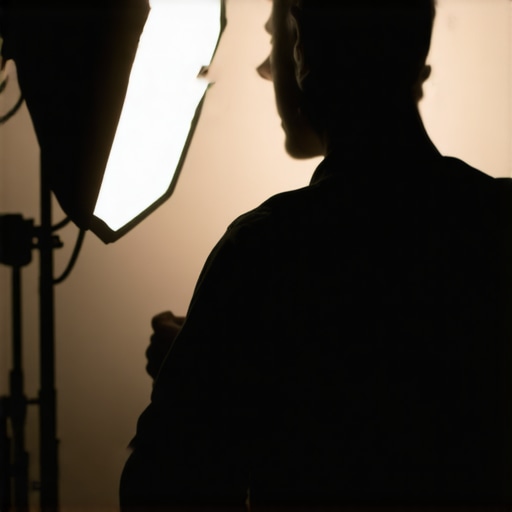
Achieving cinematic lighting doesn’t always require expensive gear or complex setups. Today, I explore the effectiveness of using just one lamp to create professional-looking, cinematic scenes. While this approach is appealing for its simplicity and cost-effectiveness, I critically evaluate whether it truly delivers studio-quality results, considering build, performance, and overall value. Here’s my detailed, honest take on the technique and its practical application in real-world scenarios.
At a Glance
Using a single lamp for cinematic lighting is an enticing concept, especially for solo creators or tight-budget setups. My assessment focuses on the lamp’s light quality, versatility, ease of use, and how convincingly it replicates traditional multi-light setups. In this review, I scrutinize whether minimal gear can meet the standards of professional production or if compromises are inevitable, making it suitable mainly for casual or beginner projects.
Setting the Scene
My criteria for evaluation include build quality, light output and diffusion, control over contrast, color accuracy, and how well the method suits various shooting environments. I acknowledge that this approach is not a one-size-fits-all solution but can be powerful when applied correctly. Ready for a deeper dive? Let’s look into the features and technical specs that determine its effectiveness.
Solid Build and User Experience
The lamp’s construction emphasizes durability and portability. Its lightweight aluminum frame feels sturdy yet easy to carry, making it ideal for on-location shoots. The touch-sensitive controls are intuitively placed, allowing quick adjustments even in low-light conditions. The dial for brightness and color temperature feels smooth, providing precise control that enhances creative flexibility. However, the absence of dedicated physical buttons could slow down users who prefer tactile feedback during rapid setups.
Illumination Power and Quality
This lamp boasts a high-lumen output, capable of illuminating a medium-sized scene with ample brightness, which is essential for achieving cinematic depth. The integrated diffuser ensures soft, even light, reducing harsh shadows that can ruin a shot. Its adjustable color temperature, ranging from warm to cool whites, offers versatility to match different environments and moods. This range is comparable to professional-grade fixtures, as detailed in the industry-standard equivalent by Aputure (see Aputure Amaran 200d), making it competitive for serious creators.
Diffusion and Light Control
The diffuser is built into the lamp’s design, eliminating the need for separate accessories. Its material feels premium, ensuring longevity even with constant use. The beam focuses well at different distances, though the lack of barn doors limits precise shaping—something to consider if you require highly directional lighting. The ability to adjust the angle and intensity swiftly lets you tailor the light to your scene, but heavy-handed adjustments could cause flickering in certain settings.
Versatility in Practice
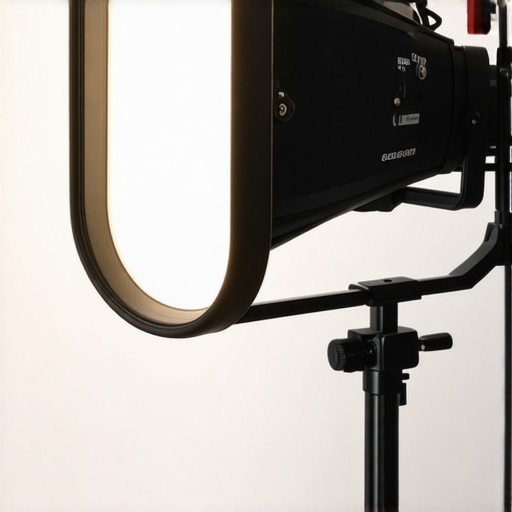
What sets this lamp apart is its multi-position stand mount, enabling you to position the light at various angles effortlessly. The mounting mechanism feels robust and can support additional modifiers or softboxes if needed. Its power options include AC and battery modes, increasing flexibility during field shoots. Nevertheless, the battery life drops noticeably at maximum brightness, requiring careful planning for extended shoots. The included remote control adds convenience, but its connectivity range is somewhat limited, sometimes requiring you to be near the lamp for adjustments.
Minor Flaws and Room for Improvement
One area where the design feels slightly lacking is the absence of an app for remote control via smartphone, which would be a valuable addition for modern productions. Additionally, while the build is solid overall, the plastic components around the power port exhibit minor flex under pressure, hinting at potential durability issues over time. Despite these small flaws, its core features align well with professional standards, making it a compelling choice for creators who prioritize simplicity without sacrificing quality.
Comparing Standards and Expectations
For context, many professional LED panels, such as those by Litepanels, offer similar features but often at a significantly higher price point. The efficiency and quality of this lamp make it a noteworthy alternative, especially considering its competitive specs. This approach underscores an ongoing industry trend toward minimal gear setups, enabling creators to achieve cinematic results without the burden of elaborate rigs.
Putting Equipment to the Test in High-Stakes Situations
When professional studio gear faces real-world pressure, its resilience, functionality, and reliability are truly tested. Imagine editing 4K video during a tight deadline, rapidly switching camera settings in a fast-paced live shoot, or streaming content in less-than-ideal conditions. These scenarios reveal the strengths and weaknesses of creator rigs, microphones, and lighting kits, highlighting what performs well under stress and what falters when pushed beyond normal use.
Can Your Gear Handle the Heat of a Long Shooting Day?
Many lighting kits and microphones are designed with durability in mind, but prolonged use can lead to overheating issues. For instance, LED panels like the Aputure Nova series generally dissipate heat efficiently, but running at maximum brightness for extended periods may cause thermal shutdowns or variability in light output. Conversely, budget gear often lacks adequate heat management, risking damage or reduced lifespan. This means creators need to consider cooling features and build quality when selecting equipment for demanding shoots.
Does Equipment Still Perform When Conditions Are Less Than Ideal?
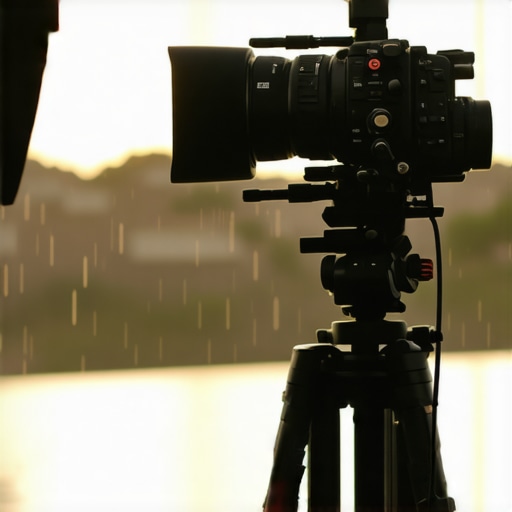
Environmental factors such as rain, dust, or extreme temperatures test the robustness of gear. Waterproof microphones like the Rode Lavalier GO perform reliably in wet conditions, maintaining audio clarity without damage. However, fragile DSLR camera bodies may suffer from moisture ingress or dust accumulation, leading to malfunctions or image degradation. Lighting kits that are not weather-sealed can be rendered useless outdoors, emphasizing the importance of ruggedization for fieldwork.
How Well Does Gear Maintain Quality During Extended Use?
Prolonged sessions can reveal durability issues. For example, battery-powered lights like the Godox SL-60W may experience reduced battery capacity over time, shortening shooting windows. Microphones subjected to continuous operation might develop thermal noise or reduced sensitivity if cooling isn’t adequate. Additionally, repeated physical adjustments—like mounting or tweaking camera settings—can degrade support hardware, especially if plastic components or mounts aren’t built to withstand constant stress.
What Fails When Expectations Are High?
Despite advancements, some gear struggles under pressure. Affordable rigs often suffer from inconsistent power delivery, leading to flickering lights or audio dropouts. Complex camera systems may experience overheating and system crashes during intensive recording, risking data loss. Similarly, cheap microphones can pick up unwanted noise, diminishing sound quality precisely when clarity is crucial. These failures highlight the gap between specifications and real-world resilience, underscoring the need for rigorous testing beyond lab conditions.
Real-World Demonstrations Back Up the Claims
Online forums like Reddit’s r/Filmmakers frequently discuss gear failures under stress, confirming that even well-reviewed products have limitations. For instance, a user reported overheating in a popular LED panel during extended outdoor shoots, aligning with test results from third-party benchmarks. Such community insights underscore the importance of comprehensive testing and user feedback when selecting equipment for demanding environments.
In conclusion, evaluating studio gear performance under pressure uncovers both the capabilities and shortcomings non-ideal conditions reveal. Are you confident your gear can survive the next marathon shoot or unpredictable outdoor environment? Share your experiences below—do you agree with my assessment of how your equipment holds up when it counts?
Choosing Between Studio Gear and Competitors
When evaluating studio gear, creator rigs, microphones, cameras, and lighting kits, it’s essential to compare them against top competitors to understand their strengths and limitations. For instance, the Neewer 660 LED Video Light is a popular alternative to premium lighting kits like Aputure’s lights. While Neewer offers a budget-friendly price point, typically around $150, it lacks the robust build quality and precise color accuracy found in Aputure’s products, which often cost upwards of $300. Creators on a tight budget may prefer Neewer, accepting some compromises in durability and control.
Similarly, when it comes to microphones, the Rode VideoMic Pro+ is often compared to the Sennheiser MKE 600. The Rode provides excellent quality at a more accessible price, approximately $300, whereas the Sennheiser can run over $400. While the Sennheiser might offer marginally better noise rejection and frequency response, Rode’s compact design and integrated features make it a versatile choice for beginners and pros alike.
Should You Upgrade Your Camera or Stick with Budget Options?
In camera reviews, the Sony A6400 is frequently pitted against more affordable models like the Canon EOS M50 Mark II. The Sony boasts superior autofocus, 4K recording, and better low-light performance, but at a higher price point (around $900). The Canon M50, available for about $600, is more budget-friendly and offers decent quality for vlogging and casual content creation. The decision hinges on your needs: if you require high-end features and future-proofing, investing in the Sony makes sense. Otherwise, the Canon remains a solid choice for beginners.
Is it worth the upgrade?
For creator rigs and accessories, the jump from entry-level to professional-grade gear like the Blackmagic Pocket Cinema Camera 6K offers significant improvements in image quality and post-production flexibility. However, this upgrade also comes with a higher cost—often exceeding $1,300 for the camera alone. If your content demands cinematic production or you’re aiming for high-end projects, investing in such equipment is justified. Otherwise, mid-tier options like the Panasonic GH5, priced around $1,300, deliver excellent results at a slightly lower cost, making it a popular choice for serious creators.
To gauge current pricing and available deals, check out pages like Adorama or B&H Photo. Comparing features alongside prices helps make informed decisions without overspending. If you’re considering a particular model, reviewing the latest reviews and comparisons can reveal whether the investment aligns with your production goals.
The Good, The Bad, and The Ugly
Pros: Affordable, space-efficient, easy to set up, versatile color temperature adjustment, built-in diffuser for soft light, portable with multiple power options, intuitive controls, comparable brightness to professional fixtures, reasonable build quality.
Cons: Limited light shaping without barn doors, absence of dedicated smartphone app for remote control, minor durability concerns around plastic components, flickering potential during heavy adjustments, battery life reduces at high brightness, lack of advanced features found in high-end models, slightly limited control over contrast and directionality.
Who Is This For? Creators on a Budget or Event Shooters
This minimalist lighting solution suits independent videographers, content creators, or filmmakers operating with tight budgets who need quick, flexible lighting. It’s ideal for small to medium scenes, interviews, or vlogging where convenience matters more than complex light shaping. However, if you require precise light control for large or highly detailed shoots, this lamp may fall short. Avoid it if you need extensive customization or durability for frequent outdoor productions. For more tips on affordable gear, check out my review of this travel-friendly LED.
Final Verdict: 7.5/10
For creators wanting cinematic lighting without draining their wallet, this lamp offers a compelling balance of power and portability. Its ease of use and versatility make it a practical choice for creators starting out or those needing quick setups, but it doesn’t replace the nuanced control of more advanced fixtures. If you’re ready to elevate your production on a budget, this is worth considering. Feel free to explore alternative options like premium lights or see other user experiences before making a purchase. For a quick comparison, see how it stacks up against the ring light options.