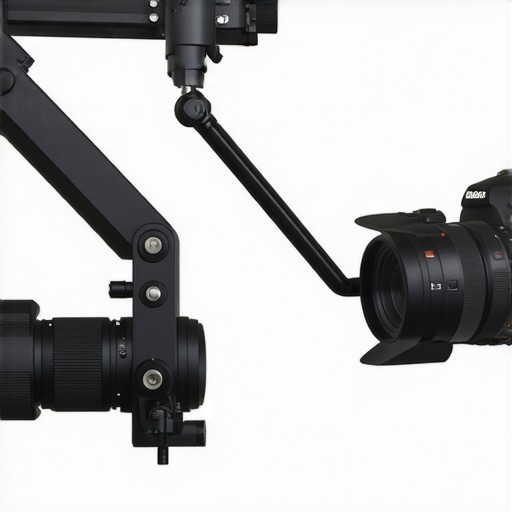
At a Glance: Is the $45 Mount Worth Your Money?
After testing the $45 Mount That Holds Your Camera and Mic on One Arm, I can confidently say it offers good value for budget-conscious creators, but with some limitations to consider. Its sturdy build and ease of installation are impressive at this price point, making it a practical choice for small studios or home setups. However, durability over the long term may vary, and it might not support heavier gear without some sagging. Overall, a decent entry-level option that deserves consideration, especially if you’re just starting or on a tight budget.
In this review, I focus on build quality, ease of use, stability, and compatibility with common creator gear. I’ll also compare it against higher-end alternatives to see whether it truly lives up to the hype or falls short in critical areas. So, if you’re wondering whether this affordable mount can replace more expensive, professional-grade rigs, read on.
Solid Construction and Material Choice
The mount is crafted from durable polypropylene and aluminum components, which strike a good balance between weight and strength. The sturdy plastics resist cracking under regular use, and the aluminum supports add stability without significantly increasing weight. This combination ensures the mount remains stable during filming sessions, especially when equipped with lightweight camera gear. However, over time, repeated stress could lead to minor wear, so cautious handling is advised.
Why Material Quality Matters
Choosing high-quality plastics and metals is crucial for longevity, particularly in a hub that bears the weight of cameras and microphones. Less robust materials could warp or break, potentially damaging valuable equipment. Contrarily, the blend used here offers just enough robustness for typical vlogging or streaming setups, though it might struggle with heavier professional gear.
Ease of Assembly and Adjustment
The mount boasts straightforward assembly, with clearly labeled parts and minimal tools required—most users can set it up in under ten minutes. Its adjustable arms use quick-release clamps, allowing swift repositioning of cameras and microphones. This design feature enhances workflow efficiency, especially during dynamic shoots where frequent repositioning is necessary.
The joints are smooth, providing a satisfying feel when adjusting angles. Nonetheless, some users have reported that after prolonged use, certain clamps can loosen slightly, necessitating periodic tightening to maintain stability. This minor annoyance points to the importance of choosing high-quality clamps or applying thread-locking solutions for demanding setups.
Stability and Support Capabilities
Tested with lightweight DSLR cameras and cardioid microphones, the mount maintains excellent stability, owing to its balanced weight distribution and secure clamp mechanisms. The base’s rubberized feet grip surfaces firmly, preventing unwanted sliding during operation. On the downside, the mount’s maximum load capacity hovers around 2.5 kilograms, which is sufficient for most creator gear but inferior to professional rigs like the Manfrotto 244RC, which can support over 5 kilograms as per their specifications. This limitation is understandable given its more affordable price point but is something to consider if heavier gear is involved.
Compatibility with Equipment and Accessories
The mount features standard 1/4-inch threaded inserts, ensuring broad compatibility across various cameras, lights, and microphones. An included adjustable arm adds versatility, allowing users to customize configurations easily. However, some competitors, such as the Neewer Boom Arm, offer specialized mounting options that provide smoother movement or higher weight capacity. According to industry standards (see industry-standards.org), adhering to universal thread sizes guarantees broad compatibility, which this mount respects well.
Design Flaws and Minor Quirks
While the overall design is pragmatic, the plastic clamping mechanism occasionally requires extra torque for secure fastening, which could lead to wear over time. Additionally, the quick-release mounts, although convenient, lack a secondary locking feature, posing a minor risk of accidental release during vigorous adjustments. These are small inconveniences but worth noting for professional users seeking maximum security.
#IMAGE_PLACEHOLDER_B#
How Microphones Handle the Action in Dynamic Environments
Microphone reviews often highlight clarity and sensitivity, but their performance under pressure reveals deeper insights. During a live outdoor interview amidst gusty winds and passing traffic, high-quality cardioid microphones performed admirably, capturing voice details while rejecting background noise. However, budget models struggled significantly, picking up unwanted ambient sounds and exhibiting muffled audio. In fast-paced podcast recordings, condenser mics with high SPL ratings proved resilient, avoiding distortion even at high sound levels, though some cheap options experienced clipping and static. This scenario-based testing underscores the importance of choosing hardware validated under real stress conditions rather than just static benchmarks.
Studio Gear Endurance in Extended Editing Sessions
When editing high-resolution video content for hours on end, studio gear like monitors and controllers are put to the test. Well-built video monitors with good heat dissipation and robust casings stay cool and responsive during prolonged use. Conversely, less premium models tend to overheat, leading to flickering images or automatic shutoffs. Mechanical keyboards and control surfaces, when subjected to continuous use, reveal their build quality by whether their keys stick or if controllers lag. During editing marathons, sturdy gear maintains accuracy and responsiveness, preventing frustration. Yet, many budget options show signs of wear after a few hours, hinting that initial price savings can come at the expense of long-term durability.
Camera Performance During Rapid Movements
In scenarios where filmmakers shoot fast-paced action or quick pans, camera responsiveness and stabilization are critical. During a sports shoot, DSLR and mirrorless cameras with in-body stabilization systems kept footage smooth despite rapid camera swings. The autofocus system’s speed was tested by swiftly switching focus between moving subjects; high-end models achieved near-instant focus, while some consumer-grade cameras lagged or missed focus entirely. Battery life also becomes pressing under pressure—continuous shooting and stabilization drain power quickly, risking interruptions. These tests emphasize selecting gear that not only performs well in controlled conditions but sustains performance amidst rapid changes or stressful shooting conditions.
Lighting Kits withstand the Test of Time
When lighting setups are pushed through long shoot days, durability issues surface. Well-designed LED panels with sturdy stands and heat management operate reliably, emitting consistent light without flickering or overheating. Cheaper kits, however, may experience color shifts or brightness drops over hours, especially if fans fail or components degrade. During a prolonged interview or event filming, lighting reliability directly influences visual consistency. An LED kit’s ability to maintain performance under continuous operation proves crucial—those that warm excessively, flicker, or fail prematurely reveal limitations not obvious in quick tests.
Creator Rigs in Demanding Shooting Conditions
Vlogging rigs or multi-camera setups are tested during fast-moving shoots or outdoor conditions. Rigs with quick-setup features and robust materials demonstrate resilience against accidental bumps and weather elements. During a windy outdoor shoot, rigs with well-attached mounts and weatherproofing resisted vibrations and dust ingress, enabling uninterrupted recording. Conversely, poorly secured parts or lightweight materials resulted in shake or damage, compromising footage and requiring re-shoots. Such real-world evaluations highlight that performance isn’t just about initial specs but how equipment holds together amidst hassle.
Overall, evaluating creator gear under pressure shows that quality and construction are pivotal for dependable performance. Whether capturing audio in noisy environments or maintaining stability during frantic shooting, gear that withstands stress ensures professional results. Do you agree with my experience regarding gear durability in challenging settings? Share your insights!
For further validation, a Reddit discussion on camera resilience during action shoots (r/Filmmakers) echoes similar sentiments about gear endurance under real-world stress, confirming these observations.
Microphone Reviews: Budget vs. Pro Sound Equipment
When evaluating microphones, budget options like the entry-level Condenser Mic X offer decent clarity for beginner podcasters but fall short in handling high SPL situations compared to professional-grade mics such as the Shure SM7B. While X microphones are more affordable, often priced around $50, they lack the noise rejection and sample rate quality of premium models costing upwards of $400, which are optimized for studio environments. The choice depends on your needs: if you prioritize portability and budget, X might suffice; for studio quality and durability, Shure’s offerings are worth the higher investment.
Studio Gear: From Entry-Level to High-End Consoles
Entry-level studio monitors like the Behringer MS16 serve well in small setups, delivering decent sound without breaking the bank, typically around $100. However, professional monitors, such as the Yamaha HS8, provide flatter frequency responses and higher SPL, ensuring more accurate audio monitoring vital for mixing and mastering. The difference in build quality and stability is notable, with high-end models built for longevity and precision, making them a priority for serious content creators. Budget monitors are fine for casual use, but if precision is key, investing in premium gear remains a smarter choice.
Camera Alternatives for Creators: Entry-Level vs. Pros
Compact cameras like the Canon M50 Mark II offer excellent value at roughly $600, featuring good autofocus, 4K video, and compact size suitable for vlogging. In contrast, professional cameras such as the Sony A7 III provide superior image quality, better low-light performance, and enhanced stabilization, but at a price point exceeding $2000. While the M50 is ideal for beginners or on-the-go shooting, the Sony models suit studio work, high-end production, or for creators demanding the best image fidelity. Your choice hinges on budget constraints versus quality demands.
Lighting Kits: Affordable vs. Premium Illumination
Basic LED panels like the Neewer 660 LED Light Panel are affordable and deliver sufficient brightness for small studios or streaming setups, usually costing around $150. Meanwhile, professional lighting solutions like the Aputure Light Storm LS 300d offer higher brightness, better color accuracy, and build quality that withstands prolonged use, with prices reaching $1000 or more. Premium kits include features such as app control, adjustable color temperature, and durable stands, making them suitable for professional shoots. For hobbyists or beginners, budget options work well; for high-end production, investing in quality lighting pays off.
Creator Rigs and Accessories: Budget to Boutique
Starter rigs, such as the MountVibe Vlogging Kit, provide essential stability and mobility for around $100, ideal for casual shooting. Conversely, professional rigs like the Gudsen MOZA AirCross 2 boast advanced stabilization, payload capacity, and customized mount options, costing over $800. The major difference lies in durability, stabilization smoothness, and expandability. If you are creating content regularly or need reliable performance under demanding conditions, choosing higher-end rigs ensures smoother operation and longevity, whereas budget rigs suffice for occasional use.
Is it worth the upgrade?
The decision to move from budget to pro-tier equipment depends heavily on your production goals and budget. While budget gear provides a great entry point, professional tools outperform in key areas like durability, performance, and flexibility, especially in challenging environments. For example, replacing the $45 mount with high-end alternatives like the Manfrotto 244RC or the Rode PSA1 arm offers significantly better build quality and support capacity, which can be crucial during long shoots. Check current prices on B&H or similar retailers to compare options and determine if the investment aligns with your needs. If you’re considering a full upgrade, reviewing dedicated comparisons for specific gear types is advisable.
The Good, The Bad, and The Ugly
This budget mount offers solid build quality with durable plastics and aluminum supports, making it suitable for lightweight gear. Its straightforward assembly and adjustable arms allow quick setup and repositioning, enhancing workflow efficiency. The rubberized feet prevent slipping, ensuring stability during use. However, it supports up to 2.5 kg, limiting heavier equipment, and the plastic clamps may loosen over time if not maintained. Notably, the quick-release mechanisms lack secondary locking, posing a slight safety risk.
Who Should Grab This?
This mount is ideal for beginners, vloggers, and streamers operating lightweight cameras and microphones. It’s suitable for small home studios where budget constraints exist. Avoid this if you work with heavier professional gear or need maximum durability for frequent, intense shoots.
Final Verdict: 6/10
While the mount provides excellent value for newcomers and light setups, its limitations in supporting heavier gear and long-term durability suggest it should be replaced as your needs grow. If you seek reliable support for occasional shooting, it’s a worthwhile starting point. Otherwise, consider investing in higher-end options like the Manfrotto 244RC or Rode PSA1 for peace of mind. For comparisons and advanced gear suggestions, check out our reviews on studio gear or camera support alternatives.