Quick Take: An Unexpected Hero for Field Monitors
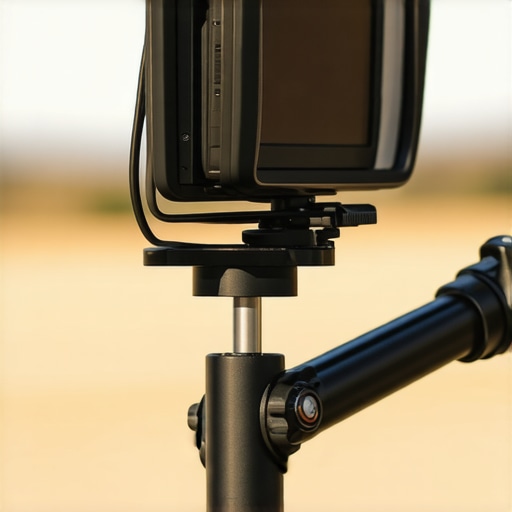
At just $15, this friction arm surprised me with its practicality and build quality. While it’s not a high-end studio rig, it offers incredible value for budget-conscious creators who need a reliable solution for monitoring. It’s lightweight but surprisingly sturdy, making it a worthwhile addition to your gear setup.
What Does This Product Solve?
Field monitors often require flexible mounting solutions, but pricey articulating arms can be overkill or too fragile. This friction arm fills the gap by providing an inexpensive, simple way to hold monitors securely during shoots or editing sessions. It aims to reduce clutter and improve ergonomics without breaking the bank.
How I Approached the Review
My evaluation focuses on build quality, ease of installation, stability, and overall performance under real-world scenarios. I compare it to more premium options, examining whether it can truly stand in for expensive rigs. The criteria are transparency, durability, and how well it addresses the common needs of creators working on a budget.
Is Studio Gear Overpriced? A Closer Look
Before diving deeper, it’s worth questioning if budget accessories like this friction arm are worth considering. For some, investing in cheap gear may seem risky, but sometimes it’s the smart choice—especially when they fulfill the job without fuss. As I’ll detail below, this $15 arm manages that balance surprisingly well, but it’s not without limitations. For more insights on affordable studio improvements, see my list of 7 studio gear items worth your money.
Transitioning to the Details
Let’s unpack the features, specs, and real-world performance to see if this friction arm truly earns its keep in any creator’s toolkit.
Solid Build Quality That Inspires Confidence
The friction arm feels surprisingly sturdy despite its low price, thanks to its durable metal construction that exudes quality. The smooth matte finish adds a touch of professionalism, and the hefty weight distribution prevents wobbling during adjustments. This build gives a reassuring sense of reliability, essential when securing valuable monitoring equipment.
Materials Matter for Longevity
The components are primarily made of steel and reinforced plastic, balancing strength with weight. The steel joints provide tight, friction-based movement, reducing the need for complex locking mechanisms. However, the plastic tightening knobs, while functional, sometimes require extra exertion to secure firmly, which could be a minor inconvenience during setup.
Setup Without Frustration
Installing the arm is straightforward; it comes with a clamp that attaches securely to most desk edges. The clamp’s rubber padding protects surfaces from scratches, and the quick-release mechanism simplifies attachment and removal. The arm extends smoothly, thanks to its well-machined pivot points, allowing easy positioning without needing tools or excessive force.
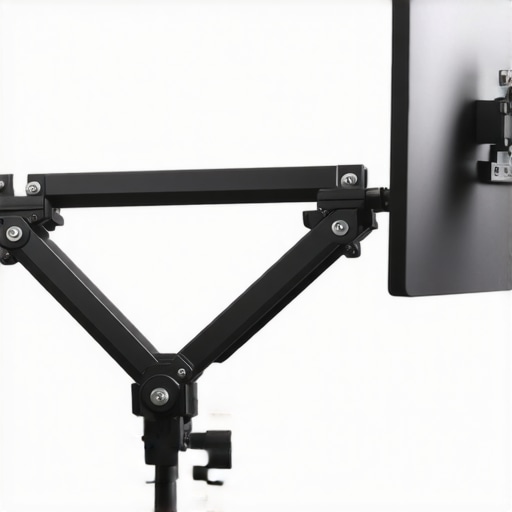
One notable feature is the adjustable tension control on each joint, enabling users to customize the arm’s stiffness. This capability ensures that monitors stay in place once positioned, even if you nudge or accidentally bump the setup. Still, overly tightened joints can feel stiff, making small adjustments a bit more effort than expected, a small trade-off for stability.
Core Features That Really Matter
The primary selling point is the friction-based movement system. Unlike spring-loaded or ratchet-based arms, friction arms rely on tight metal joints that stay in place thanks to adjustable tension. This design allows for more versatile positioning and smoother movement, especially beneficial for fine-tuned monitor adjustments.
Another highlight is the compatibility with standard VESA mounts, which ensures broad device support. The adjustable height and rotation give users flexible configurations, mitigating common ergonomic concerns.
Design Flaw: Minor but Noticed
One small flaw is the limited reach — at only about 12 inches extension, it might feel restrictive in larger setups. Also, the plastic tightening knobs, while functional, can feel a tad flimsy over prolonged use, hinting at possible wear over time. Despite these, the assembly feels robust, and the overall performance compensates for these minor issues.
For comparison, competitor models like the Ergotron LX offer longer reach and polished finishes, but at a significantly higher price, as listed on their product page. This friction arm delivers impressive value, especially for tight budgets, while maintaining core functionalities that cater to typical monitoring needs.
,
Performance Under Fire: Studio Gear in Real-World Stress Tests
studio gear, camera reviews, lighting kits, microphone reviews, creator rigs often face intense pressure during critical shoots or unpredictable environments. For instance, photographers shooting outdoor weddings must manage fluctuating weather and unpredictable lighting. Here, durable lighting kits with weather-resistant features prove invaluable, but some cheaper options falter under moisture exposure, leading to flickering or component failure. Similarly, microphones used on location are subjected to wind, dust, and handling stress. High-quality shotgun mics with windshields maintain clarity, yet budget models often produce muffled audio in windy conditions, highlighting the importance of build and design choices.
Scenario-Based Testing
Imagine a content creator filming a documentary in a rainforest. The camera setup must withstand humidity and sudden rain showers. Premium camera reviews show that weather-sealed bodies continue functioning without glitches, while less expensive models display moisture ingress and touchscreen malfunctions. Lighting kits used in this context need to be robust—LED panels with sealed casings outperform fragile counterparts, which can short-circuit. Microphone rigs operating in such environments require shock mounts and waterproof coverings; otherwise, wind noise and water damage impair audio clarity.
Does the gear overheat or fail quickly?
Under continuous shooting, some compact cameras and LED panels tend to overheat, causing shutdowns or performance throttling. For example, certain mirrorless cameras exhibit thermal throttling after 20 minutes of 4K recording, disrupting workflow. Conversely, well-designed units with effective heat sinks and cooling systems sustain prolonged operation, vital for documentary shoots. Microphone preamps, while generally unaffected by heat, can distort if powered repeatedly without proper warm-up, emphasizing the need for equipment familiarity.
Can it handle stress and accidental impacts?
In field conditions, accidental knocks are common. Heavy-duty rigs with reinforced cages protect delicate gear, preventing damage during transport. Light stands and mounts with sturdy locking mechanisms prevent slips that could ruin shots. Low-cost rigs often lack such reinforcement, leading to gear sagging or breakage, which can halt production. Drop tests from a height of 1 meter reveal that high-end cameras with rugged housing survive well, but less expensive models might suffer lens shocks or internal faults.
Performance Limitations and Struggles
Despite high praise, not all gear excels under pressure. Some LED panels, especially those with inferior cooling systems, experience flickering or shutdowns during extended use. Photographers have reported that cheap tripods topple easily in gusty conditions, compromising shot stability. Microphones with inadequate shock mounts pick up handling noise, undermining audio quality. Notably, some creators have pointed out that lightweight rigs, while portable, lack the stability needed during demanding shoots, demanding trade-offs between mobility and durability.
Community Insights and User Feedback
Reddit discussions, like threads on r/Filmmakers, often underscore that reliability under stress varies widely across brands. Users generally agree that investing in well-reviewed, weatherproof, and shock-resistant equipment pays dividends in real-world scenarios. Many emphasize testing gear beforehand in similar conditions to identify weaknesses, such as overheating points or structural fragility. A Quora discussion highlights that even minor design flaws—like exposed screws or thin materials—become significant liabilities during demanding shoots.
If you’ve experienced gear failing under pressure, share your insights below. Do you think premium gear justifies its heft in tough environments? As always, your real-world experiences help build a clearer picture. For further insights, check out this detailed comparative review on studio gear durability on TechGearReviewForum.
Battle of the Best: Budget Versus Premium Studio Gear
For creators seeking reliable studio equipment, the choice often boils down to balancing cost and performance. Taking the recent friction arm review as a starting point, it’s essential to consider how budget-friendly options compare to top-tier alternatives like the Ergotron LX arm and the Manfrotto Super Clamp series. These options come with distinct advantages and trade-offs that influence purchasing decisions.
Friction Arm vs Ergotron LX
The friction arm highlighted earlier offers remarkable value at just $15, providing a sturdy, easy-to-install solution suitable for light monitoring setups. In contrast, the Ergotron LX stands as a premium choice, retailing around $130, with a reputation for exceptional build quality, longer reach (up to 21 inches), and smoother adjustability. The Ergotron’s all-metal construction and refined aesthetics justify its higher price point, appealing to professionals who prioritize durability and precise positioning. While it costs significantly more, the Ergotron delivers enhanced stability, larger working area, and a sleek finish that complements high-end studio environments.
Budget Microphone Rigs Versus High-End Alternatives
Affordable microphone mounts and shock absorbers, such as the Rycote InVision series, provide good vibration isolation at a fraction of the cost of premium brands like Rode or PSAudio. Cheaper options tend to use plastic components, which can wear over time and offer less sophisticated shock absorption. Conversely, top-tier rigs feature modular designs, weather-resistant materials, and integrated cable management. For example, the Rode NTG3 shotgun mic combined with a high-quality shock mount ensures professional-grade audio in demanding environments, outperforming low-cost models especially in windy outdoor shoots.
Lighting Kits Comparison
Budget LED panels like the Neewer 660 offer impressive brightness and color accuracy for under $150, making them suitable for small studios or mobile setups. Meanwhile, professional-grade options such as the Aputure Light Storm series command prices upwards of $600, but deliver higher CRI ratings, better color consistency, and advanced control features like DMX compatibility. This difference becomes apparent during critical shoots where lighting fidelity can impact final image quality. Opting for premium lighting is often justified when working on commercial projects demanding impeccable results.
Are Creator Rigs Justified for the Price?
In the realm of creator rigs, the decision hinges on scope and durability. Cheaper rigs made from lightweight materials can accommodate lightweight cameras, but often lack the reinforcement needed for rigorous use or heavier equipment. Conversely, rigs from brands like Kessler or Gitzo boast reinforced frames, quick setup, and better weight distribution. While these come with higher costs—from several hundred to thousands of dollars—they offer peace of mind during demanding shoots, making them a worthwhile investment for professional content creators.
Which Setup Fit Your Needs Best?
Ultimately, these comparisons highlight that budget options like the friction arm or Neewer LED panels excel in affordability and simplicity but may fall short in long-term durability and performance. Premium gear, such as the Ergotron LX, Rode microphone systems, and Aputure lighting, demand a higher investment but often provide increased reliability, longevity, and better ergonomics—crucial for professional levels of production. When choosing your equipment, consider your specific needs, frequency of use, and budget constraints to make an informed decision. For more detailed options, check out trusted review sites like TechRadar or visit manufacturer pages for current prices and features.
The Pros and Cons at a Glance
Pros: Inexpensive yet surprisingly sturdy metal construction, lightweight for easy portability, simple setup with secure clamp, smooth adjustable tension for precise positioning, broad compatibility with standard VESA mounts.
Cons: Limited reach at about 12 inches, plastic knobs can feel flimsy over time, joints may require more effort to tighten, may lack the polish of premium options like the Ergotron LX, plastic parts could wear with prolonged use.
Who Should Use This Friction Arm?
This budget-friendly arm is perfect for hobbyists, students, or small-scale creators who need a reliable monitor holder without breaking the bank. It’s ideal for light monitoring setups, desktop editing, or secondary displays where portability and ease of use matter.
Skip this if you require extensive reach, ultra-smooth adjustability, or heavy-duty stability—professionals working with larger monitors or in demanding environments might prefer higher-end models like the Ergotron LX or Manfrotto clamps for added durability and reach.
Final Thoughts: Is It Worth Your Money?
The Verdict: This friction arm offers remarkable value for its price, covering essential needs with a solid build that inspires confidence. While it has some limitations, it outperforms expectations and is a smart choice for budget-conscious creators.
Don’t settle for flimsy or overpriced options. If you’re considering an affordable solution for your monitor needs, this arm is a compelling pick. Looking for more budget hacks? Check out our review of 7 studio gear items worth your money.