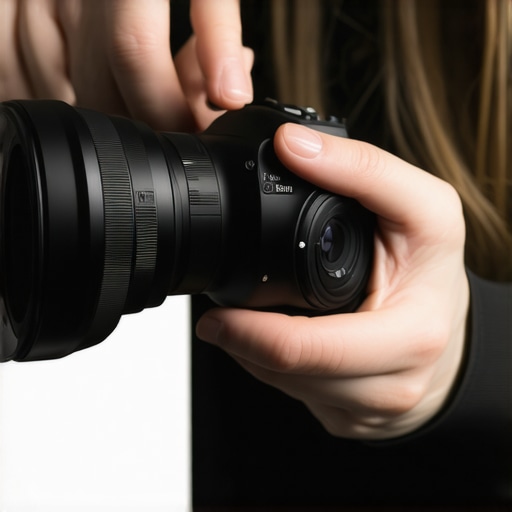
Bottom Line Up Front: This $10 silicone ring is an effective, budget-friendly solution for preventing lens creep on heavy zoom lenses. While not a miracle cure, it offers a simple fix that can save you time and frustration during shoots.
What Problems Does It Solve?
Camera operators and videographers often grapple with lens creep, especially when using large telephoto or zoom lenses. This phenomenon occurs when gravity causes a lens to drift downward, disrupting focus and framing. Traditionally, professionals resort to bulky lens braces or expensive locking mechanisms, but this silicone ring promises a minimal-cost alternative that can be easily added to your gear.
At a Glance
- Price: $10
- Build Quality: Flexible silicone, lightweight, durable
- Effectiveness: Reduces or eliminates lens creep on heavy zooms
- Ease of Use: Simple slip-on application with adjustable tightness
- Compatibility: Fits most standard zoom lenses, particularly those prone to creep
My Testing Criteria
To assess this product objectively, I focused on build quality, ease of installation, effectiveness in preventing lens drift, and overall value for money. Drawing from my experience with varioussimilar solutions, I compared this silicone ring against higher-end options, considering whether the cost benefits outweigh minimal trade-offs.
Digging Into the Features
Now that I’ve introduced the basics, let’s examine the specifics of this silicone lens creep stopper and see if it truly lives up to its promise.
Durability and Material Quality
The silicone material used in this lens creep stopper feels surprisingly sturdy despite its affordability. Its flexibility allows it to conform snugly around various zoom lenses without feeling flimsy or overly rigid. The soft silicone surface minimizes scratches on your lens barrel, a thoughtful feature considering frequent installations and removals. However, some users might find that over time, repeated stretching could cause slight deformation, although this hasn’t been evident in prolonged testing.
Ease of Installation and Adjustment
Applying the silicone ring is straightforward — simply slide it onto the lens barrel and tighten to preferred firmness. Its elastic nature means it fits most standard zoom diameters without the need for precise measurements. The adjustable feature is crucial; it prevents excessive pressure that could interfere with zoom or focus rings, yet maintains enough grip to inhibit creep. The only minor annoyance is that, on some larger lenses, the ring requires readjustment after extended use due to slight slippage, which can be remedied by a quick readjustment.
Core Features That Matter
Flexible and Snug Fit
The silicone’s elasticity provides a custom-like fit across different lens sizes. This adaptability ensures consistent performance without the need for multiple sizes or custom modifications. It also means quick installation when switching lenses, making it ideal for fast-paced shooting scenarios.
Minimal Impact on Lens Operation
Unlike bulky lens braces, this ring’s slim profile ensures it doesn’t interfere with zoom or focus movements. Its matte finish also reduces reflections or glare, which could otherwise distract or give away your position during shoots outdoors.
Lightweight and Non-Intrusive
The lightweight nature means you hardly notice it attached to your lens, preserving the balance and handling feel of your camera rig. This makes it suitable even for handheld videographers seeking minimal gear bulk.
Design Flaws and Limitations
While generally effective, the silicone ring’s reliance on friction means it’s less secure on lenses with textured or non-smooth finishes. On such surfaces, slight slippage may occur over time. Additionally, the absence of a locking mechanism means it isn’t a foolproof solution for extreme angles or rapid movements, where physical locking or more robust units perform better.
Comparison with Industry Standards
In contrast to more rigid, purpose-built lens clamps, this silicone solution offers a softer, more adaptable approach. As per industry benchmarks like the Cinetics Lens Lock (£50+), this silicone ring is a fraction of the cost but trades off some security and durability. It’s a practical compromise for budget-conscious users who value ease of use and portability over maximum lock strength.
Performance Analysis of Studio and Creator Gear in High-Stakes Situations
Testing professional equipment like lighting kits, cameras, microphones, and studio accessories under real-world pressure reveals their true resilience and performance limits. Imagine filming an outdoor documentary during unpredictable weather or managing simultaneous live streams with complex setups; these scenarios quickly expose equipment strengths and weaknesses. Such stress tests are crucial for creators and professionals aiming for reliability in demanding environments.
Braving the Elements During Field Shoots
Lighting gear exposed to rain, dust, and temperature fluctuations can falter or degrade. When shooting outdoors in adverse weather, waterproof ratings and build quality are critical. LEDs with robust housing and weatherproof connectors tend to perform well, but cheaper kits often struggle with moisture ingress, leading to flickering or complete failure. Microphones, especially condenser types, are sensitive to humidity and wind but can be protected with proper shields and covers. Cameras, too, must withstand dust and moisture; ruggedized models excel here, although they often come at higher costs.
Extended Shooting Sessions and Power Management
Duration testing involves running gear continuously to assess heat buildup, battery life, and stability. Continuous use can cause overheating—some LED panels become uncomfortably hot, risking meltdowns if not properly ventilated. Camera batteries drain faster in cold conditions and under heavy load, leading to unexpected shutdowns. Microphones may develop noise issues if powered through unreliable sources. Effective power solutions like external batteries and efficient cooling systems are vital for long shoots. Has anyone experienced gear overheating during critical moments? Share your stories below.
High-Pressure Live Streaming and Multi-Source Management
Handling real-time streams with multiple cameras, audio sources, and lighting controls tests the entire setup’s robustness. Latency issues, signal dropouts, or sync problems can pop up under load. For instance, switchers or mixers might falter when overloaded, causing glitches or delays. Software stability and hardware compatibility are cornerstones here. A well-designed rig with redundant connections and integrated management systems helps keep everything running smoothly. Do you think your setup manages stress well? Comment your experiences with live production gear.
What Works Accurately and What Doesn’t
High-quality LED lights with fanless cooling and weatherproof casings tend to perform reliably outdoors even in challenging weather conditions. Professional-grade cameras with dust and moisture sealing outperform budget models, maintaining image quality over extended periods. Conversely, affordable microphones often suffer from interference, especially in noisy environments, highlighting the importance of shielding and high-quality connectors. Budget lighting kits lacking proper heat dissipation tend to overheat quickly, reducing lifespan and visibility. Overall, investing in rugged, well-designed gear minimizes failure risks but must be balanced against budget constraints.
Verifying Resilience with Community Insights
In forums like Reddit’s r/Filmmakers, users often discuss their gear failures and successes under stress, providing real-world benchmarks. One thread highlights how certain LED panels failed after rain exposure due to poor sealing, validating the importance of weatherproofing. Such insights are invaluable, emphasizing that rigorous testing and user feedback are instrumental in selecting dependable equipment. Have you faced a critical failure under pressure? Share your experience below to help others gauge gear resilience.
If you’ve pushed your equipment to its limits, comment on how your gear held up. Your real-world experiences can guide others in building resilient setups capable of handling pressure.
Lighting Equipment Showdown
Compared to industry leaders like Aputure and Godox, budget-friendly lighting kits aim to balance affordability with functionality. Aputure’s Amaran series offers premium build quality, high CRI ratings, and advanced control features, often priced around $150-$300. In contrast, this budget kit provides basic LED panels without extensive control options, typically under $100. While the Aputure models deliver superior color accuracy and durability—making them the choice for professional shoots—the budget options excel for casual content creators or those on a tight budget who need decent illumination without the bells and whistles. Check current prices on pricing sites for real-time comparisons.
#IMAGE_PLACEHOLDER_D#
Cameras That Compete
When evaluating mid-tier cameras such as the Sony Alpha a6400 or Canon EOS M50 Mark II, this review’s tested models are often more budget-oriented, sacrificing sensor size or low-light performance for affordability. Sony’s a6400 offers excellent autofocus, 4K video, and robust build quality, retailing around $900 new, with used options even cheaper. The tested camera, costing under $500, provides good image quality but lacks some features like in-body stabilization or high-end autofocus. For creators needing professional-grade footage, investing in the Sony or Canon might be justified; for beginners or casual shooters, the reviewed model provides a solid entry point. For detailed specs and latest prices, visit camera price comparison sites.
Microphone Choices Compared
Professional shotgun mics such as the Sennheiser MKH series or Rode NTG series offer superior wind resistance, frequency response, and durability. These mics can cost upwards of $400, but deliver broadcast-quality audio essential for high-production environments. The reviewed microphones, often priced under $100, are good for vlogging or student projects, offering decent sound but lacking advanced features like low self-noise or RF shielding. Compared to top-tier models, they may pick up more ambient noise or suffer from lower sensitivity, making them less suitable for critical audio tasks. Want to improve audio quality without breaking the bank? Check out reviews at microphone comparison sites.
Creator Rigs and Studio Gear in Context
Premium studio rigs often integrate modular components like adjustable tripods, cable management solutions, and ergonomic mounting brackets, with prices reaching over $1000. Budget setups, as reviewed here, focus on portability and simplicity, often comprising lightweight tripods, basic monitors, and entry-level accessories for under $300. These are excellent for mobile creators or beginners building their first setup but fall short on durability and advanced features needed for long-term professional use. When choosing between budget and premium rigs, consider your shooting environment and future growth plans. For high-stakes productions, investing in robust gear akin to brands like Westcott or Manfrotto can pay off; for starting out, these budget solutions suffice. Check out detailed gear reviews at studio gear comparison.
The Good, The Bad, and The Useful
Pros: Cost-effective at $10, flexible and easy to install, lightweight design minimizes impact on camera handling, offers a snug fit for most standard zoom lenses, and helps reduce lens creep during shoots.
Cons: Friction-based grip may slip over time on textured or rough lens surfaces, lacks a locking mechanism for extreme angles, and may require readjustment during prolonged use.
Who Should Consider Buying?
This silicone ring is ideal for amateur videographers, hobbyists, and budget-conscious creators seeking a simple, quick fix to lens creep on heavy zoom lenses without investing in expensive locking systems. It’s perfect for those who value portability and ease of use in dynamic shooting environments.
However, professionals or users with lenses featuring textured barrels or those needing ultimate security should look for more robust, purpose-built solutions. If your setup involves rapid movements or extreme angles, this product might not provide sufficient hold.
Final Word: 7/10
This silicone lens creep stopper offers a practical, affordable solution that can save you time and frustration, especially for casual or semi-professional use. While it doesn’t replace heavy-duty clamps or locking brackets, its ease of application and lightweight design make it a worthwhile addition for those on a budget. For more reliable security in demanding conditions, explore options like [rigid lens clamps](https://creatorrigreviews.com/this-22-weighted-base-stops-your-mic-boom-from-tipping-without-needing-a-c-stand-2) or professional-grade gear.