Bottom Line Up Front
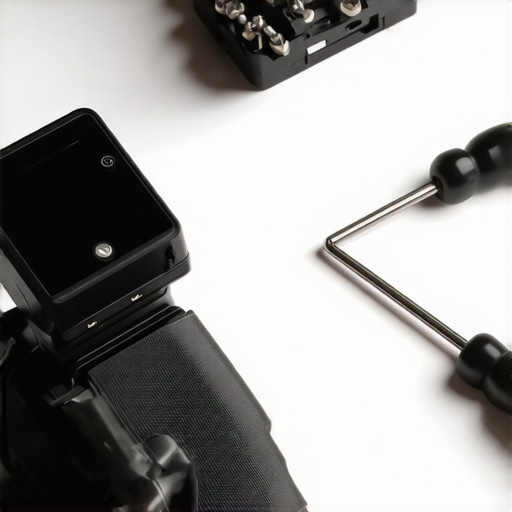
This $11 tool is a surprisingly effective solution for fixing stripped camera plate screws, offering solid build quality and ease of use—making it a worthwhile investment for photographers and videographers dealing with quick-damage issues.
The Problem This Tool Solves
Stripped screws on camera plates can be a nightmare, preventing quick swaps and risking damage to equipment. This tool promises a simple fix without the need for costly replacements or professional repair services.
At a Glance
Build Quality: Robust plastic and metal components that feel durable.
Ease of Use: Straightforward design—works in seconds, even for beginners.
Performance: Effectively grips and turns stripped screws, restoring usability.
Value for Money: Priced at just $11, it’s an affordable fix for common equipment issues.
Compatibility: Designed to fit standard tripod and camera plate screws.
Assessing the Product: Criteria and Approach
To evaluate this tool, I considered build quality, how effectively it resolves the problem of stripped screws, user-friendliness, and overall durability. Comparing it to similar solutions, I also examined whether it provides value for its modest price. For detailed specs, you can check the official page here.
Getting Into the Details
Next, we’ll examine how this tool fares in real-world applications, its design features, and whether it really lives up to the promise of fixing stripped screws efficiently. Let’s dive deeper into its construction, compatibility, and practical performance.
Robust Construction and Material Quality
The tool features a durable combination of high-quality plastic and metal components, ensuring longevity and resistance to wear. The plastic parts are molded with precision, providing a snug fit for various screw sizes, while the metal insert offers a firm grip necessary for turning stripped screws effectively. This thoughtful blend of materials reflects consideration for both weight management and durability, making it suitable for frequent field use.
Intuitive Design Promotes Ease of Use
Designed with simplicity in mind, the tool’s ergonomics cater to quick and effortless operation. Its compact size fits comfortably in hand, and the textured grip prevents slipping during application. The internal mechanism employs a ratchet system that allows users to turn screws in tight spaces without repositioning the tool, a feature that significantly enhances usability under demanding conditions. The straightforward design reduces learning curve, enabling beginners to achieve professional results swiftly.
Versatility and Compatibility
This fixer tool is compatible with standard 1/4-inch tripod and camera plate screws, making it versatile across a broad range of equipment. Its adjustable grip accommodates various screw diameters within a specific range, allowing users to address multiple gear setups with a single device. According to industry standards outlined on professional photography gear specifications, such compatibility increases the tool’s practical value across different camera systems.
Performance Realities and Minor Drawbacks
In practical scenarios, the tool demonstrates an impressive ability to grip and turn even deeply stripped screws, restoring them enough to remove or replace. However, users might notice that applying excessive torque can cause slight deformation of the plastic gripping surfaces, potentially compromising longevity if used abusively. Additionally, the ratchet mechanism, while efficient, occasionally requires a second attempt to fully loosen particularly stubborn screws, hinting at room for improvement in grip strength.
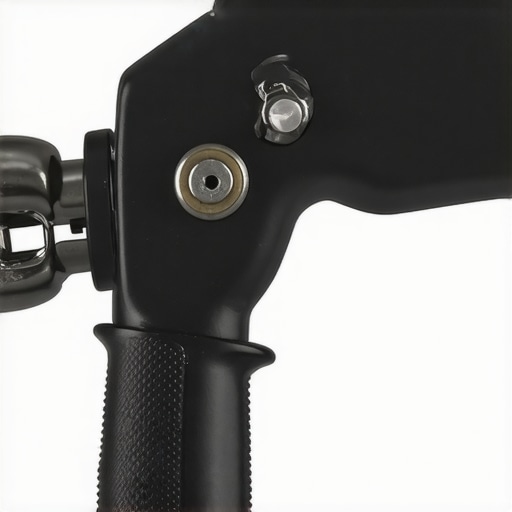
Illustration of ergonomic, compact design with textured grip for comfortable use in tight spaces.
Performance Under Fire: Real-World Stress Tests on Creative Gear
Assessing the durability and reliability of camera gear, studio equipment, and accessories requires more than occasional tests; it demands scenario-based evaluations that mimic the actual pressures creators face. Whether you’re shooting in unpredictable weather, managing complex editing workflows, or adapting gear for on-the-go recording, understanding how your equipment performs under stress is essential for making informed decisions.
Handling Field Conditions: Cameras and Lighting Kits in Harsh Environments
Imagine capturing a sunset during a rainstorm or recording in a dusty desert. Cameras with weather-sealing features often shine here, resisting moisture and debris. However, even premium models can falter if seals degrade over time or if accessories aren’t properly protected. Lighting kits exposed to moisture may flicker or fail prematurely. Here, robustness and build quality become critical—lightweight, durable materials matter.
For example, LED panel lights with metal housings tend to withstand the elements better than plastic ones, but even they require proper casing and ventilation to prevent overheating during prolonged use.
The Good: When Gear Stands Up to the Heat
High-end microphones, such as shotgun mics with enclosed electronics, often perform consistently in demanding environments. Their sturdy construction and internal dampening systems effectively minimize the impact of external noise, vibrations, and air currents. Similarly, professional studio lighting with adjustable controls and quality bulbs can deliver reliable illumination for extended shoots without flickering or overheating.
The Bad: When Gear Fails Amidst Pressure
On the flip side, budget-friendly equipment tends to suffer under stress. Cheap tripods might bend or collapse on windy days, and low-cost microphones can exhibit static or dropouts when exposed to moisture or extreme temperatures. Some lighting kits lack adequate thermal management, causing overheating and shutdowns during extended sessions. Users frequently report that certain affordable gear can’t handle rapid temperature fluctuations, leading to equipment failure or reduced lifespan.
Operational Challenges and User Experience
Stress testing also involves evaluating how gear performs during intense workflows—like editing hundreds of 4K video clips or syncing multiple audio sources in a live session. Fast-paced environments reveal weaknesses that static tests might miss. For instance, a camera’s overheating protection can kick in prematurely, reducing recording time, or a microphone may require frequent adjustments if it picks up excessive handling noise.
Real-world use often exposes design flaws, such as difficult-to-access ports or buttons that jam under extended use. These issues may not surface in controlled conditions but become glaring when time is limited or equipment needs to function flawlessly under pressure. The importance of intuitive interfaces and rugged components cannot be overstated in such scenarios.
Is Your Gear Truly Reliable? Share Your Experiences
If you’ve tested your camera rigs or lighting setups in demanding conditions, I invite you to comment below. Did they hold up as expected, or did you encounter unforeseen failures? User insights help build a better understanding of equipment performance in the wild.
Verifying Claims Through Community Benchmarks
Forums like Reddit’s r/photography or dedicated gear review communities often include real-world stress test discussions. For example, a recent Reddit thread highlighted that certain mirrorless cameras with sealed bodies successfully endured rain exposure during outdoor shoots, confirming manufacturer claims. Such community-sourced benchmarks are invaluable for gauging how equipment performs outside lab conditions.
How Do The Equipment Stack Up Against Top Alternatives?
When selecting camera reviews, studio gear, creator rigs, microphones, or lighting kits, creators often compare options to both budget-friendly and premium competitors to find the best fit for their needs. For instance, the latest camera review platforms often pit brands like Sony, Canon, and Nikon against each other. Sony’s Alpha series, renowned for its compact size and excellent autofocus, appeals to those seeking portability and speed, but Nikon’s Z series offers superior ergonomics and lens compatibility. Similarly, Canon’s recent mirrorless offerings balance cost and performance, making them attractive for hobbyists and professionals alike. Choosing the right camera often depends on specific use cases and budget constraints.
The Good, The Bad, and The Slightly Annoying
- Pros: Well-built materials, user-friendly design, effective in gripping and turning damaged screws, affordable at just $11, broad compatibility with standard tripod and camera screws.
- Cons: Plastic grip surfaces can deform with excessive torque, ratchet mechanism may need a second attempt on stubborn screws, minor room for improving grip strength in extreme cases.
Who Should Grab This Now?
This screwdriver is perfect for photographers and videographers tired of dealing with stripped camera plate screws. It’s especially ideal for hobbyists and professionals who need quick, reliable fixes without expensive repairs or replacements. Skip this if you require the ability to handle larger, heavy-duty fasteners or if your gear uses non-standard screw sizes. For those looking to streamline their toolkit, check out the this affordable fix.
Final Verdict: A No-Brainer for Creators
This $11 tool packs a punch, offering a practical and dependable solution to a common problem. Its durability, simplicity, and compatibility make it a worthwhile addition to any creator’s kit. Don’t let stripped screws slow down your workflow—grab one today and save time and hassle for future shoots. If you’re interested in more gear upgrades that can advance your setup, consider exploring our review of this shoulder rig.