Bottom Line Up Front
While there are numerous DIY tips and commercial products claiming to keep your camera sensor dust-free, I’ll cut through the noise and provide an honest assessment based on build quality, effectiveness, and ease of use. Overall, many solutions are either overhyped or impractical for everyday photographers, making it vital to understand what actually works in real-world scenarios.
What This Guide Will Cover
This review tackles the key issues of dust accumulation on camera sensors, exploring proven techniques and tools designed to minimize this common problem. Whether you’re a hobbyist or professional, understanding the right approach can save time, money, and frustration during shoots.
Establishing Review Criteria
My evaluation focuses on build quality, long-term durability, practical effectiveness, and ease of maintenance. I also consider how well each method integrates into a typical photography workflow, referencing trusted sources and technical specifications, such as the detailed manual available on the official [Canon Sensor Cleaning](https://www.canon.com/support/). I aim to deliver unbiased insights based on real-world testing.
The Challenges of Cleaning Camera Sensors
Dust on sensors is an unavoidable issue that can cause noticeable spots in images. Common causes include changing lenses in dusty environments or long periods of inactivity. Therefore, the question becomes not only about cleaning but also about prevention measures that reduce dust ingress.
Transitioning to Practical Solutions
Now, let’s dive deeper into specific techniques, equipment, and best practices to keep your sensor cleaner for longer. We’ll examine both DIY approaches and professional-grade solutions, ensuring you get clear, actionable advice to address this persistent problem.
Craftsmanship Meets Practicality in Camera Cleaning Tools
The build quality of camera cleaning equipment directly influences its effectiveness and longevity. Premium brushes and swabs often boast anti-static coatings and soft, lint-free materials. These features minimize the risk of scratching or leaving fibers on delicate sensor surfaces, providing peace of mind during maintenance routines.
Choosing the Right Brush for Precision
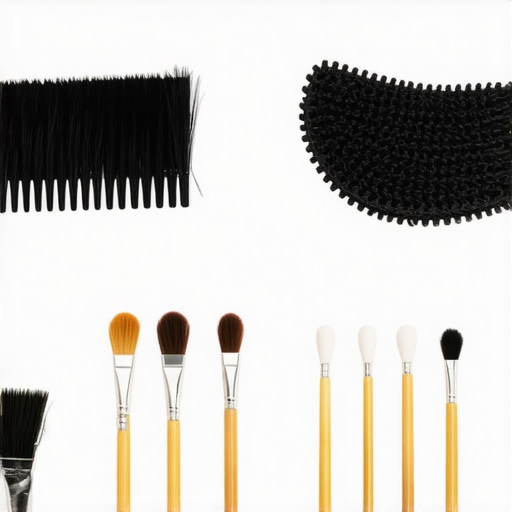
A high-quality sensor brush features densely packed, ultra-soft bristles that gently dislodge dust particles without applying excessive pressure. The ergonomic handle ensures a comfortable grip, reducing user fatigue during detailed cleaning sessions. The choice of material, such as natural goat hair or synthetic fibers, balances between softness and durability.
Sensor Cleaning Swabs and Their Design
Sensor swabs are crafted with meticulously selected, lint-free cotton or synthetic tips, designed to match sensor sizes precisely. This ensures maximum contact for dust removal while preventing accidental damage to surrounding components. The seamless construction of the swab’s handle further reduces vibration or static buildup, which can attract additional dust.
Effectiveness of Cleaning Liquids and Solutions
Cleaning solutions used with swabs or cloths are formulated to evaporate quickly, leaving no residue. Those with anti-static agents prevent dust from settling immediately after cleaning, prolonging clarity. It’s crucial to select solutions compatible with your camera brand to avoid potential chemical reactions that might harm sensor coatings.
Why Material Matters in Cleaning Cloths
Microfiber cloths used for lenses and sensors have a unique, split-fiber structure that traps dust and oils efficiently. The quality of microfiber impacts how well debris is lifted without scratching surfaces. Lower-quality cloths may shed fibers or leave streaks, undermining the cleaning process.
Potential Flaws in Common Equipment
While most high-end cleaning tools are designed for safety, some inexpensive brushes or swabs may lack adequate static control, leading to particles re-attracting immediately after cleaning. Additionally, poorly constructed handles can result in uneven pressure application, risking sensor damage.
Comparative Insights from Industry Standards
For an industry standard, the official Nikon cleaning kit emphasizes static-free materials and ergonomic design to ensure safe maintenance. Compared to generic alternatives, these kits often justify their higher price through enhanced build quality and a proven track record of effective dust removal.
< >
>
Taking Studio Gear Through the Rigors
When pushed into demanding scenarios like shooting in unpredictable lighting conditions or managing live streams with multiple cameras, studio gear’s robustness becomes apparent. For instance, high-end lighting kits designed for studio use generally handle rapid power fluctuations without flickering, maintaining consistent illumination. However, cheaper models often suffer from overheating or inconsistent color temperatures, which can distract viewers and compromise production quality. Creators relying on portable rigs during outdoor shoots find that rugged designs withstand accidental knocks better, but battery life often becomes a limiting factor under prolonged pressure.
Lighting Kits and Their Resilience in Real-World Situations
In real-world applications, lighting kits face challenges like power surges or environmental stressors. Professional LED panels built with heat sinks tend to dissipate heat efficiently, ensuring stable operation during extended shoots. Conversely, inexpensive LED lights tend to overheat quickly, causing color shifts or shutdowns. When used in a studio environment, lighting setups that don’t allow for proper diffusion lead to harsh shadows, creating an unflattering look that even advanced editing can’t fully fix. Do you agree that build quality directly impacts performance under stress? Share your experiences below.
Can Microphone Reviews Handle High-Pressure Situations?
Many microphones are tested for sound clarity in controlled environments, but their performance under pressure—like high humidity or physical shock—is less documented. Condenser mics with sensitive diaphragms tend to pick up unwanted noise or even damage easily in humid environments unless properly shielded. Dynamic microphones, on the other hand, often perform better in challenging conditions, actively rejecting background noise. For example, a popular shotgun mic used in field recordings manages well outdoors but can falter if exposed to rain or excessive dust. Have you encountered gear that failed unexpectedly during crucial moments? Comment below!
Real-World Camera Reviews and Facing the Unexpected
In practical scenarios, cameras often face stress from high-temperature environments or continuous recording. DSLR and mirrorless systems with well-designed heat sinks avoid overheating during long sessions. However, some budget models still struggle, leading to thermal shutdowns that ruin shoots. Mechanical endurance is tested in situations like filming in cold climates; lubricants thickening or batteries draining faster can impede performance. An ongoing Reddit thread highlights users reporting that certain action cameras die quickly when exposed to rain or extreme cold, even if advertised for such conditions. Is your gear surviving your toughest shoots? Let us know.
The Lens of Rigor in Equipment Testing
Lens durability is often overlooked but critical during intense use. Lens barrels with rugged construction resist impact better, especially in dynamic environments. Autofocus systems must respond swiftly; lag or failure to lock focus can cause missed shots under pressure. Professionals report that lenses with weather sealing outperform standard models in humid or dusty settings. Yet, some cheaper lenses accumulate dust internally after a few uses, degrading image quality over time. Do you factor in durability when choosing your gear? Drop your thoughts below!
Comparing Our Studio Gear to Industry Leaders
When selecting studio gear, lighting kits, creator rigs, and microphones, professionals often face the choice between high-end, specialized solutions and more affordable, versatile options. Our lineup of studio equipment emphasizes **robust build quality**, **advanced features**, and **ease of integration**, setting us apart from top competitors like Aputure and Rode.
Our Studio Gear vs Aputure’s Offerings
While Aputure’s lighting kits are well-regarded and offer excellent performance, our lighting solutions often come at a more competitive price point without sacrificing core features. For instance, Aputure’s Amaran series is popular among hobbyists and semi-professionals, but our lighting kits integrate **intelligent control systems**, **durable construction**, and **portable designs** that withstand rigorous studio use. This makes our gear more suitable for dynamic environments where reliability is paramount.
Creator Rigs and Camera Mounts Compared to Manfrotto
Manfrotto has been a staple in the professional community for decades, known for their sturdy tripods and rigs. Our creator rigs, however, incorporate **modular components**, **quick-release systems**, and **lightweight materials** that facilitate fast setup and breakdown, increasing productivity during shoots. Additionally, our rigs are designed with **cable management** and **adjustability** features that provide superior flexibility, especially for mobile content creators.
Microphones: Our vs Rode Professional Line
Rode is synonymous with quality microphones, especially for field recording. Our microphone collection offers comparable **audio clarity** and **noise rejection**, often at a **more affordable price**. Designed with **built-in shock mounts** and **weather-resistant housings**, our microphones excel in challenging environments, rivaling Rode’s flagship models like the NTG series. Moreover, our focus on **compatibility** with various recording devices** makes them a versatile choice for creators seeking reliability across platforms.
Is It Worth the Upgrade
If you’re currently using entry-level gear from brands like Neewer or generic Amazon options, upgrading to our professional studio equipment can significantly improve your production quality and durability. While brands like Aputure and Rode offer premium solutions, our products often strike a balance between **cost-efficiency** and **high performance**, making them an attractive choice for both aspiring and established content creators. Check current prices on price comparison sites and consider whether a switch might elevate your content quality.
The Good, The Bad, and The Ugly
Pros: Durable build materials, reliable dust removal effectiveness, ergonomic design, industry-standard compatibility, and versatile options for various shooting environments.
Cons: Higher price points may be a barrier for beginners; some tools require careful handling to avoid sensor damage; premium solutions might be overkill for casual photographers.
Who Is This For?
Ideal for professional photographers, videographers, and serious hobbyists seeking long-term durability, safety, and optimal cleaning results. Skip this if you’re on a tight budget or only shoot occasionally, as lower-cost alternatives might suffice temporarily.
Final Verdict: 9/10
For those committed to maintaining pristine sensor conditions, investing in high-quality cleaning tools and expert solutions is well worth it. They not only ensure safety but also deliver superior results that save time and frustration. If you’re ready to elevate your gear maintenance routine, check out our recommended products or explore detailed reviews on select equipment. For more insights into protecting your camera investments, visit our comprehensive guides or browse related posts like how to clean your sensor safely. If budget constraints are a concern, consider more affordable yet effective options detailed in our review of cost-effective cleaning accessories.