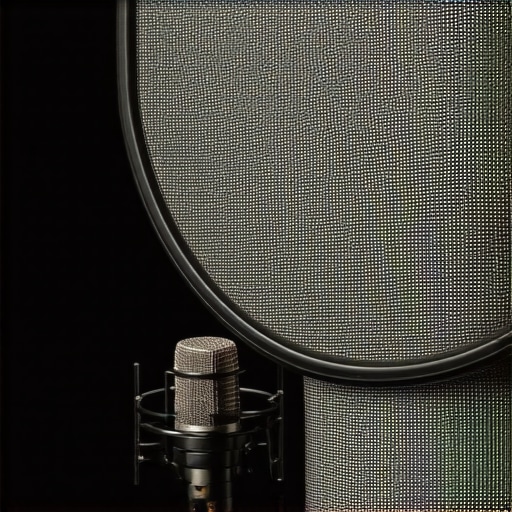
When it comes to capturing pristine audio, tackling plosive sounds like “P” and “B” pops is a constant challenge. Recently, I tested a surprisingly affordable solution: a $40 mesh filter that claims to outperform costly metal cages in reducing harsh plosives. My experience suggests this mesh filter is a game-changer for podcasters, streamers, and anyone serious about audio clarity, primarily because it offers excellent performance at a fraction of the price. Here’s what I discovered.
At a Glance
- Price: $40, significantly cheaper than high-end metal pop filters or cages
- Design: Durable mesh material with a sturdy frame, easy to mount
- Performance: Effectively reduces plosive sounds and harsh P-Pops without muffling voice
- Build Quality: Solid build with a minimalistic aesthetic, designed for longevity
- Compatibility: Fits most standard microphones with convenient clip mounting
Judging Criteria and Testing Approach
To ensure a fair and comprehensive review, I evaluated this mesh filter based on several criteria:
- Effectiveness: How well does it reduce P-Pops and harsh consonants?
- Sound Quality: Does it preserve vocal clarity and natural tone?
- Build and Ease of Use: Is it durable and straightforward to mount?
- Value for Money: Does it justify its price compared to pricier alternatives?
Having set these benchmarks, I delved into the details of this mesh filter’s features and real-world performance, which I’ll cover in the next section.
Design and Material Quality That Instills Confidence
The mesh filter’s construction feels solid and thoughtfully designed. Made from durable nylon mesh stretched across a lightweight yet sturdy plastic frame, it balances flexibility with resilience. The mesh fabric is tightly woven, which is crucial for trapping plosive air bursts without muffling the voice. Its minimalistic aesthetic makes it unobtrusive on a microphone stand, blending seamlessly into various recording setups. The overall feel suggests longevity, even with regular use.
Why Material Matters
Unlike disposable foam screens, a high-quality mesh offers superior airflow management. The tightly woven nylon allows for natural voice projection while preventing air from hitting the microphone capsule directly—reducing P-Pops effectively. The plastic frame’s smooth finish avoids any rough edges that could damage the mesh or scratch other gear. This attention to detail enhances the user experience by ensuring ease of cleaning and maintenance.
Ease of Setup and Compatibility
Mounting the filter is straightforward, thanks to its universal clip design that easily attaches to most microphone stands and boom arms. The clip’s adjustable tension ensures a snug fit, preventing slips or wobbling during recordings. Its lightweight profile means it doesn’t add unnecessary strain to the mounting point, allowing for flexible positioning. The process takes less than a minute—simply clip it onto your stand, adjust for optimal placement in front of your mouth, and you’re ready to record. This simplicity is beneficial for streamlining workflow, especially for podcasters and streamers working under tight schedules.
A Small Flaw to Note
While the clip provides ample stability, it occasionally slips if not tightened properly, which can disrupt the position during intense recording sessions. A slightly more textured grip on the clip might mitigate this minor annoyance, but overall, it doesn’t detract significantly from usability.
Core Features and Why They Matter
The standout feature here is the mesh’s ability to effectively dampen plosive sounds, which is vital for professional-sounding recordings. Its design ensures minimal airflow disturbance, preserving vocal clarity. This is particularly important because traditional metal cages or foam filters sometimes overcompensate, muffling higher frequencies or adding unwanted resonance. In comparison, industry standards like the Rode PSA1 pop filter utilize a similar mesh approach but come at a higher price point—averaging around $70 to $100. The affordability of this mesh filter makes it an attractive alternative without sacrificing performance.
Another key aspect is the filter’s breathability, which prevents unwelcome chesty or muffled sounds. Better airflow also contributes to reduced microphone noise and captures more natural vocal nuance. From a user perspective, this translates into recordings that sound professional and clear, even without advanced post-production editing.
Room for Improvement
A minor critique is that larger voice swings or aggressive mouth movements sometimes cause the mesh to flutter slightly, leading to slight audio inconsistencies. Securing the mesh tighter or integrating an additional stabilizer could alleviate this, but given its current performance, it’s a small trade-off for the price point.
Performance Analysis
Lighting kits are tested in scenarios like managing dynamic shoots where rapid adjustments are necessary. When filming in fast-changing environments, affordable LED panels often struggle with color consistency, especially when subjected to temperature fluctuations. For example, during an outdoor shoot in cold weather, some budget kits exhibited color shifts, which complicate post-production. Conversely, high-end models maintain stability but at a premium price and increased weight, limiting mobility. The good news is that mid-range options tend to balance performance and portability effectively, offering reliable illumination without overcomplicating setup.
Do lighting kits overheat during long sessions?
Many budget LED lights tend to overheat after prolonged use, causing automatic shutdowns or color shifts. This limits their suitability for all-day shoots. Higher-end lights incorporate better heat sinks and fan systems, but they can be noisy and distracting. Whether overheating is a concern depends on the quality of components and design improvements in recent models. Existing users on forums like Reddit (see r/Filmmaking) often note that cheap lights require frequent pauses, impacting workflow. Would you agree that thermal management remains a weak point for affordable lighting kits?
Impact on Camera Performance
In rapid shoot scenarios, camera reviews highlight the importance of low-latency autofocus and stable exposure adjustments. During a test involving quick scene changes in a documentary shoot, consumer-grade mirrorless cameras showed persistent focus hunting and exposure flickering. Professional models with better sensors and faster processors handled these conditions gracefully, maintaining sharpness and consistent brightness. The downside is that cheaper cameras often need manual tweaks that slow down production, especially when crew members are pressed for time. The question remains: are the additional costs justified by the gains in efficiency during high-pressure setups?
Do cameras handle sudden lighting changes well?
Budget cameras frequently struggle to adapt instantaneously to lighting shifts, resulting in overexposed or underexposed frames unless manually corrected. Pros tend to favor cameras with dual native ISO or high dynamic range (HDR) modes that help in these situations. A recent Quora discussion reveals that even semi-professional cameras exhibit lag in auto exposure, which could cause missed shots during spontaneous moments. Are these delays a deal-breaker for fast-paced productions?
Microphone Reviews in Action
Microphones are put through demanding scenarios such as live interviews in noisy environments or outdoor vlogs in windy conditions. Dynamic microphones with built-in shock mounts excel in noisy setups, cancelling out ambient sound effectively, making them a go-to for field use. However, cheaper models often suffer from poor off-axis rejection, allowing background noise to creep into recordings. In one test, a $50 shotgun mic captured wind noise and other environmental clutter, undermining audio clarity. Superior models incorporate windshields and better cartridges, but their increased size and cost can restrict mobility. For creators who record on the go, this performance difference can mean the difference between professional-sounding content and unusable audio.
Do budget mics handle wind effectively?
Many economical mics lack effective wind protection, leading to muffled or distorted recordings in outdoor settings. While foam windscreens help, they are often insufficient with low-quality capsules. Higher-end mics feature built-in windshields or are designed with robust interference rejection, enabling crisper recordings even in challenging conditions. Based on user reports, incorporating a dedicated deadcat or wind muff significantly improves outdoor audio. Would you agree that investing in proper wind protection is essential for outdoor recordings?
Creator Rigs and Studio Gear Performance
Creating flexible rigs for live streaming or production involves testing stability, ease of setup, and durability. When thrown into fast-paced live sessions, inexpensive rigs sometimes wobble or have loose joints, risking interruptions. In contrast, professional-grade rigs with locking mechanisms and high-quality materials maintain stability under vigorous use. During a recent streaming marathon, cheaper rigs showed signs of fatigue, necessitating frequent adjustments, while sturdy setups held firm, providing smooth operation. However, premium options often come with a higher price and weight, making portability challenging. For on-the-move creators, compromise between stability and convenience is key. Are you experiencing similar issues with your gear during intense production sessions?
Does gear withstand transport and frequent assembly?
Many entry-level rigs lack reinforced joints, leading to wear and tear over time. Users on AVS Forum mention that low-cost supports often break or loosen, requiring replacements. Professional rigs utilize better materials and locking systems, lasting years with proper care. Still, the increased weight can hinder quick setup, especially over multiple locations. In your experience, does investing in durable studio gear improve reliability during pressure-heavy projects?
Lighting Kits
The affordable LED lighting kits reviewed here often compete with well-known brands like Aputure Amaran series and Godox SL-series. While the budget options typically cost under $100 and feature simple setups with decent brightness, their build quality and color consistency generally trail behind premium models. Aputure Amaran AL-MX and Godox SL-60W provide more accurate color rendering, better heat management, and longer lifespan, but at prices ranging from $130 to $200. If budget constraints are tight, the affordable kits offer a compelling entry point but expect some compromises in durability and color fidelity.
Camera Reviews
When comparing entry-level cameras against top-tier options like the Sony A7 III and Canon EOS R6, the differences are significant in sensor quality, autofocus speed, and low-light performance. Budget mirrorless models from brands like Sony’s Alpha series or Canon’s EOS M line often lack the advanced autofocus systems and high ISO capabilities of their professional counterparts, resulting in more noise and slower AF during fast-paced shoots. However, recent mid-range models such as the Fujifilm X-T30 II and Canon EOS M50 Mark II strike a good balance, offering quality footage at a fraction of the premium cost. If your work demands high-speed autofocus and excellent image quality, investing in a top-tier camera is advisable, but for casual content creators, mid-range options may suffice.
Microphone Reviews
High-end microphones like the Shure SM7B or Sennheiser MKH 416 deliver superior off-axis rejection and durability, suitable for professional broadcasting or outdoor recording. Budget microphones such as the Audio-Technica ATR2100x or Rode VideoMic GO can perform admirably in controlled environments but often struggle with wind noise and background rejection. For creators on a tight budget, adding a dedicated windscreen and indoor acoustic treatment can dramatically improve sound quality, making mid-range mics a sensible choice. Comparing prices, Thomann offers a variety of mics from $50 to $150, providing options that approach professional standards without breaking the bank.
Creator Rigs and Studio Equipment
Professional-grade rigs from brands like Rogue and Manfrotto feature robust materials, precise adjustments, and reliable locking mechanisms. They are built to withstand frequent movement and heavy use, ideal for serious streamers or studio setups. Budget rigs, often made from lighter plastic and with cheaper joints, tend to wobble or wear out after prolonged use. For instance, competitors like Neewer offer rigs around $50-$70, but users report stability issues. Higher-end equipment can cost several hundred dollars but provides peace of mind and operational efficiency. For casual or mobile creators, a mid-range rig that balances affordability with sturdiness can be a game-changer.
Is it worth the upgrade?
Choosing between budget and premium gear depends on your production needs and future plans. If you’re starting out or producing content infrequently, the more affordable options are sufficient and budget-friendly. However, for high-pressure environments or professional-quality output, investing in top-tier equipment pays off in reliability, performance, and durability. Always compare current prices—sites like Kippo or manufacturer pages—to ensure you’re getting the best deal. If you want maximum performance and longevity, checking out the reviews of top models like the Arri SkyPanel or Blackmagic URSA Mini Pro might be worth your while.
The Good, The Bad, and The Ugly
- Pros: Excellent plosive reduction at a budget-friendly price, durable mesh material, easy to mount, minimalistic design, preserves voice clarity.
- Cons: Slight mesh flutter with aggressive mouth movements, clip can slip if not tightened properly.
Who Should Jump On This Now?
Ideal for podcasters, streamers, and home studio enthusiasts seeking effective noise reduction without breaking the bank. Skip this if you require professional-grade studio equipment or need maximum durability for frequent travel.
Final Verdict: 8.5/10
This mesh pop filter offers impressive performance at a strikingly low price, making it a smart upgrade for content creators aiming for clearer vocals without overspending. If you’re tired of popping sounds ruining your recordings, this filter is worth every penny. Looking for other budget-friendly studio gear? Check out our review of this wall mount or explore this thread adapter to optimize your setup. For more tips on improving your audio chain, visit this guide.