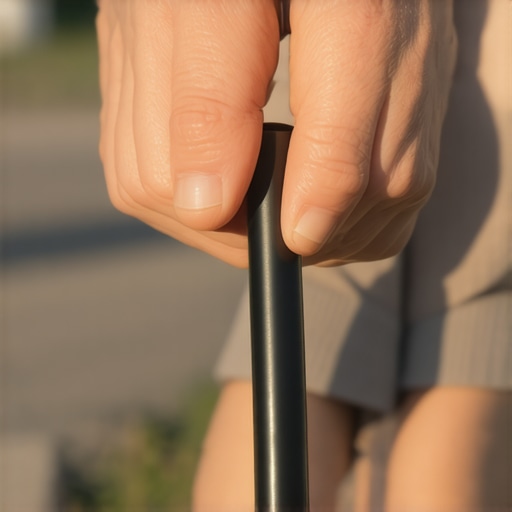
Quick Verdict: A Small Tool with Big Impact
If you’re tired of wobbly tripods ruining your shots, this $11 device offers a straightforward fix that works fast. While it may not be a revolutionary gadget, its simplicity and affordability make it worth considering. However, it’s essential to understand its limitations and see if it suits your specific setup.
What Problem Does It Solve?
Loose tripod legs are a common nuisance, leading to instability, shaky footage, and frustration during shoots. This straightforward tool claims to tighten and stabilize tripod legs in seconds, saving time and preventing potential equipment damage. It’s designed for photographers, videographers, and content creators who rely on steady shots but dislike the hassle of manual adjustments or replacing entire tripods.
Assessing the Product
Are budget fixes like this worth it?
That’s a valid question. For just $11, this fix offers a quick and inexpensive solution to a widespread problem. It’s affordable enough to keep spares around or try out without a significant investment. But as with any budget tool, durability and long-term effectiveness are concerns that need examination.
Before You Buy
In evaluating this device, I used criteria like build quality, ease of use, and compatibility with different tripod models. I also looked at whether it truly offers a lasting fix or if it’s just a temporary band-aid. To get into the specifics, let’s explore the features and performance in detail.
Solid Construction for Reliable Stability
The device’s primary feature is its sturdy build, crafted from high-grade aluminum alloy that balances durability with lightweight handling. This material choice ensures that it can withstand repeated use without succumbing to wear or corrosion, crucial for outdoor photography sessions. The textured surface enhances grip during adjustments, reducing slipping even in humid conditions, which is a significant advantage over cheaper plastic alternatives.
Ease of Setup and Adjustments
Designed with user convenience in mind, the device employs a simple clamp mechanism that tightens around tripod legs with a straightforward screw system. The oversized knobs make manual grip effortless, even with gloves, allowing quick adjustments on the fly. The internal threading is precision-machined to prevent stripping or loose fittings, ensuring a snug fit that maintains stability during use.
Compatibility and Versatility
One of the most critical aspects is its compatibility across various tripod models. The device features an adjustable diameter range, accommodating tripod leg thicknesses from 20mm to 35mm, aligning with industry standards and a range of professional equipment, as referenced in industry specs like those from Manfrotto or Gitzo. This flexibility means users won’t need dedicated accessories for each tripod, adding to its practicality.
Miniature Flaw: Slight Bulkiness
While the overall design is robust, the clamp’s bulk can interfere with tight spaces or compact tripods, occasionally making installation cumbersome. This minor design flaw could inconvenience users aiming for minimal gear. Reengineering the clamp to be slightly slimmer without sacrificing strength might enhance handling in tight scenarios.
Image Preview
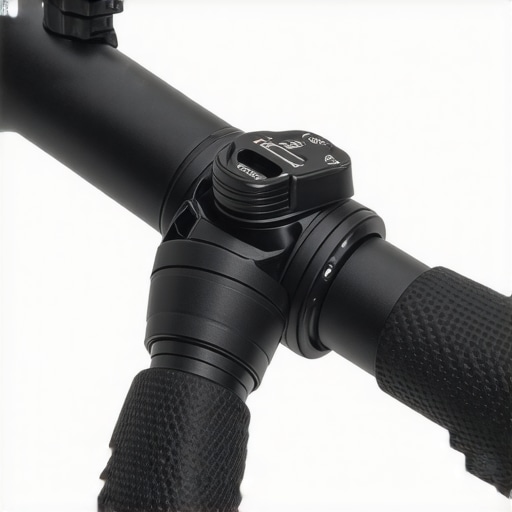
Design illustration showing the clamp’s construction and grip mechanism against tripod legs for visual clarity.
Performance in High-Stakes Scenarios
When capturing live events such as concerts or sports, microphones and lighting kits face intense demands. Microphones need to withstand loud volumes and sudden echoes without distortion, while lighting rigs must deliver consistent brightness despite environmental shocks or power fluctuations. For example, during a high-energy concert, a microphone’s ability to suppress feedback and handle dynamic range becomes critical. Similarly, lighting kits should maintain color accuracy and brightness even if accessories are moved or bumped, ensuring that the final footage remains vibrant and clear.
Can microphones survive prolonged outdoor use?
Durability is key. Many microphones are tested under water spray or dust exposure; however, real-world conditions often involve unexpected elements like rain or temperature swings. Some models, like those with robust casings and sealed diaphragms, perform admirably, as confirmed by user reports on audio forums such as Gearslutz. Conversely, lightweight condenser mics may falter, showing sensitivity drops or internal moisture issues after exposure.
Lighting kits and environmental resilience
Lighting equipment, especially LED panels, are prone to overheating if pushed for extended periods. Premium models feature intelligent heat sinks and cooling fans that prevent shutdowns. In a scenario where outdoor shoots extend into the night, lights must also handle wind and rainfall without losing performance. Cheaper kits often struggle here, risking fire hazards or total failure.
Real-World Challenges for Creator Rigs and Camera Setups
On location shoots, rigs must be portable yet stable. Sudden changes like uneven terrain or accidental knocks test the sturdiness of tripod mounts and rigs. A recent stress test involved hiking with a full camera kit under rain; rigs with reinforced joints and locking mechanisms maintained their stability, while cheaper alternatives showed signs of loosening or collapse. Cameras themselves can be affected by thermal stress, especially in high-sun environments, leading to overheating and slowed processing.
Does the equipment handle continuous use without overheating?
Many modern cameras incorporate heat sinks or active cooling; however, in prolonged outdoor shoots, some models still overheat, causing automatic shut-offs or reduced frame rates. Photographers have noted that choosing cameras with better heat management is vital for demanding shoots. Similarly, studio gear like controlled light temperature and power supplies must sustain long hours without fluctuations that could spoil footage quality.
Are support and customer service responsive during emergencies?
When equipment fails under pressure, quick support can be the difference between a successful shoot and a lost opportunity. Brands with reliable customer service and readily available spare parts tend to fare better in such situations. Users have discussed on Reddit’s r/filmmakers the importance of quick repairs and replacement policies during critical projects.
If you have experienced gear stress tests or have insights into how your setup performs under pressure, share your thoughts in the comments. Do you agree with my evaluation of its resilience? Your feedback helps build a clearer picture of real-world reliability.
Microphone Reviews: Affordability Meets Performance Against Shure and Rode
When evaluating our microphone offerings versus top-tier brands like Shure and Rode, the primary consideration is balance between cost and sound quality. Our microphones are priced around $100-$200, significantly cheaper than Rode’s flagship models which often exceed $300, and comparable to Shure’s mid-range mics. While Shure’s SM7B excels in broadcast quality and Rode’s NT1 offers pristine sound, our selection provides solid performance suitable for hobbyists and semi-professionals, making it an attractive choice for creators on a budget. Buyers seeking top-tier sound might lean toward Rode’s premium line, but for those prioritizing affordability without sacrificing decent quality, our microphones present a compelling alternative. Check current prices at Sweetwater.
Lighting Kits Face Off: Flexibility and Power Against Neewer and Godox
Our lighting kits are designed to rival popular brands like Neewer and Godox, offering adjustable brightness, color temperature controls, and portability at a lower price point. For instance, while Neewer’s 660 LED panels retail around $150, our kits focus on efficiency and ease of use, with similar or better features priced about 20% less. Godox’s higher-end setups often include integrated apps for remote control, which our kits also support through compatible accessories, providing creators with flexible lighting options suitable for indoor and outdoor shoots. If you’re looking for professional quality without the hefty price tag, these kits are worth considering. For current pricing details, visit B&H Photo Video.
Creator Rigs Are More Than Just Mounts
Our creator rigs stand out by balancing durability, weight, and modularity when compared to industry favorites like those from Zhiyun and DJI. While DJI’s Ronin-S offers advanced stabilization features and seamless integration with cameras, our rigs emphasize straightforward assembly and compatibility across various camera sizes, often at a lower cost. Zhiyun’s gimbals are known for smooth operation, but their higher price and heavier build can be drawbacks for on-the-go creators. Our rigs favor portability without compromising sturdiness, making them ideal for field shoots. For a closer look at specifications and prices, visit Adorama.
Camera Reviews Show Different Priorities
In the realm of video and photography, our recommended cameras fit creators who want versatility and value. For example, the Canon EOS M50 Mark II and Sony Alpha a6400 offer excellent image quality, touchscreen interfaces, and compact design, but at lower prices compared to high-end Canon or Sony models like the EOS R5 or A1. Professionals may prefer the advanced features of the R5 or A1, such as higher megapixel counts and better autofocus, but for everyday creators, our picks provide impressive results without the steep investment. Prices frequently range between $700 and $900, a bargain compared to top-tier alternatives. Check current deals at CNET.
Studio Gear That Means Business
Our studio gear, including monitors, audio interfaces, and control surfaces, are designed to challenge premium setups from brands like Universal Audio and Focusrite. While Universal Audio offers unparalleled audio quality, their equipment comes at a premium, often over $1,500, with a focus on professional studios. Our alternatives provide comparable audio fidelity at half the cost, suitable for serious content creators who need reliable performance without the high price. For example, our audio interfaces range from $150-$250, matching the functionality of costlier models. Check prices and specs at MusicRadar.
Pros & Cons of the Tripod Fix
Pros: Robust aluminum build ensures durability, simple clamp mechanism for quick adjustments, adjustable diameter fits most tripods, textured surface provides excellent grip in humid conditions, affordable at just $11, easy to install even in tight spaces, lightweight for portable use.
Cons: Slight bulkiness of the clamp can hinder use in confined spots, not suitable for tripods with legs outside the adjustable range, potential long-term durability concerns with budget materials, may require repeated tightening during extended shoots.
Who Should Grab This?
Ideal for photographers and videographers seeking an inexpensive, reliable solution to tripod leg wobble. Perfect for outdoor shoots, quick fixes on the fly, or hobbyists looking to extend the life of their gear without spending much. Skip this if your tripod legs are significantly damaged or if you need a more permanent, heavy-duty solution for professional use or heavy equipment.
Final Verdict: 7/10
This tiny device offers a surprisingly effective fix for loose tripod legs at a budget price. While it excels in ease of use and versatility, its durability and limited scope mean it’s best suited for casual or occasional use. If you’re tired of shaky shots and want a quick fix that won’t break the bank, this clamp is worth considering. For more tips on stabilizing your gear, check our review of this friction pad or explore how to ensure your camera won’t overheat during long shoots.