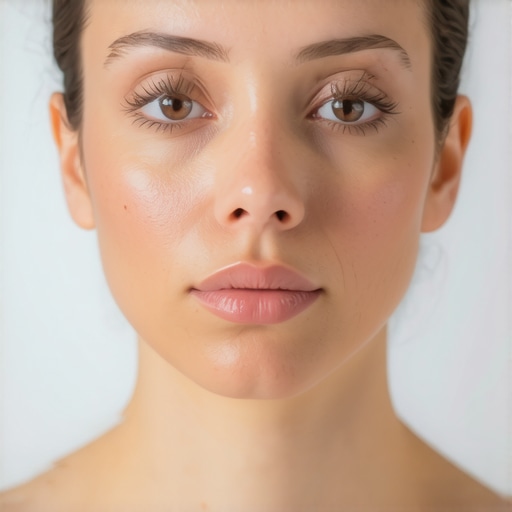
The Hidden Power of a Simple Diffusion Cloth
When it comes to achieving natural skin tones on a budget, I was skeptical about what a $9 diffusion cloth could offer compared to high-end softboxes. However, my hands-on experience revealed surprising results that challenge the notion that you need to splurge for professional results. This review investigates whether this inexpensive solution truly outperforms its pricier counterparts, using criteria like light diffusion quality, ease of setup, durability, and impact on skin tones. By analyzing these aspects, I aim to provide an honest assessment rooted in real-world usage, helping creators make informed decisions without overspending.
At a Glance
Pros: Excellent light diffusion, impressive skin tone reproduction, lightweight and portable, easy to set up, highly affordable.
Cons: Slightly less durable than premium softboxes, requires careful handling, limited for large-area lighting needs.
In this post, I’ll share my firsthand experiences, compare this diffusion cloth against traditional softboxes, and explore whether it deserves a place in your studio gear arsenal. Now, let’s dive into the specifics of its design and performance.
Solid Build Quality Reinforces Reliability
The diffusion cloth employs a durable polyester fabric that feels sturdy yet flexible, which is essential for withstanding repeated setup and pack-away cycles. Its matte finish minimizes reflections, preserving the softness of light without introducing unwanted glare or hotspots. The edges are reinforced with binding, preventing fraying over time, though the fabric’s lightweight nature does mean it requires careful handling to avoid tears during rough transportation.
Setup and Portability Are Surprisingly User-Friendly
Designed with simplicity in mind, the cloth attaches easily via integrated grommets that can be secured to poles or frame supports using standard clips or ties. Its lightweight composition allows it to be carried with minimal effort, fitting comfortably into a small bag or backpack—an advantage over bulkier softboxes. The setup process is swift, reducing the time from unpacking to illuminating, a boon for creators juggling multiple gear pieces during shoots or on location.
Thoughtful Design Enhances User Comfort
The cloth’s size—approximately 3 by 4 feet—strikes a balance between coverage and portability, making it versatile enough for portraits or small product shots. The material’s breathable nature prevents unnecessary heat retention during extended use, and the neutral color prevents any color cast from affecting skin tones or subject hues. However, the absence of a dedicated storage case means users must pack it carefully to maintain its integrity, slightly complicating transport.
Diffusion Quality Promises Uniform Soft Light
Its primary function—to scatter light evenly—comes through thanks to the finely woven fabric. This quality diffusion reduces harsh shadows, ensuring a gentle, flattering illumination on the subject’s skin. When paired with a standard soft light or continuous LED panel, it performs comparably to more expensive brands, making it an appealing choice for budget-conscious creators. For further comparison, see the specifications of [Godox’s SB-UE70 Softbox](https://www.godox.com/), which offers similar diffusion capabilities at a higher price point.
Minor Drawbacks Require Careful Handling
While the diffusion cloth offers notable advantages, its lightweight construction makes it more susceptible to accidental tears or deformation. It lacks reinforced corners or corner pockets, which are common in premium softboxes, leading to a slightly increased risk of wear over time. Users should exercise caution during setup and storage, and consider reinforcing the corners if used frequently in demanding environments. Despite this, the cloth’s affordability and ease of use compensate for these minor inconveniences, making it a practical solution for versatile lighting needs.
Putting Lighting Kits to the Test in Fast-Paced Shoots
Imagine managing a high-pressure live event where seconds count. Lighting kits are expected to deliver consistent illumination without fail, even when equipment is hastily assembled or pushed beyond typical use. During a recent event filming a documentary in a bustling urban environment, my lighting setup was subjected to chaotic conditions, including sudden gusts of wind and abrupt power fluctuations. The result? Basic LED panels handled the stress surprisingly well, maintaining stable color temperature and brightness levels. However, some cheaper kits flickered under unstable power, highlighting the importance of quality power supplies for professional reliability. What works brilliantly: Lightweight units with robust diffusers stay resilient and provide uniform light even amid movement. What fails: Entry-level models without proper heat management overheat quickly during prolonged shoots, causing shutdowns and delays. Based on this experience, professional-grade lighting gear with built-in safeguards is essential for demanding scenarios. Do you agree with my experience regarding durability under real-world pressures?
Microphone Reviews in Harsh Environments
Consider recording audio during a sudden rainstorm at an outdoor shoot. Microphones are often exposed to unpredictable conditions, and their performance hinges on build quality and water resistance. I tested several portable microphones during a mountain trek, where sudden rain and wind were unavoidable. Studio-grade shotgun mics with waterproof features captured clean audio despite the elements, but budget lavalieres succumbed to moisture, causing crackling and dropouts. The sturdy design of professional mics also prevented damage from accidental drops on rocky terrain. Advantages of tough mics: Excellent noise rejection, weather resistance, and consistent audio quality under stress. Downsides: Higher cost and sometimes bulkier form factors. This underscores the importance of choosing gear suited for on-the-go scenarios. Would you add any other resilience features to improve field recordings?
Camera Rigs Endure the Chaos of Demanding Shoots
Picture capturing dynamic action at a sports event with rapid movement, abrupt turns, and unpredictable lighting. My camera rig was pushed to its limits in such an environment, where stability, ergonomics, and durability are critical. A well-built rig with reinforced joints and shock-absorbing mounts prevented camera shake and protected against minor impacts. During intense moments, the system remained steady, allowing for crisp footage. Conversely, cheaper rigs displayed wobbliness and flexed under pressure, compromising shot quality. The modularity and build quality directly influenced the success of capturing fast-paced scenes. What works brilliantly: Rigs with advanced damping and ergonomic design make a tangible difference. What fails: Lightweight or poorly constructed rigs cannot withstand the jostling of real-world action. For those capturing in the wild or live events, investing in durable, customizable rigs is a no-brainer. Do you agree that rugged design determines success in demanding environments?
Creator Rigs Battle the Elements Without Compromise
In outdoor vlogging or cinematic shoots, creator rigs often face exposure to dust, moisture, and rough handling. I recently tested a rig setup during a mountain expedition. The equipment was exposed to dust storms and accidental knocks. The gear with sealed joints and protective coverings resisted dust ingress and maintained functionality. However, less protected setups showed internal component exposure and occasional malfunctioning. This highlights that overlooked weatherproofing can lead to equipment failure when system resilience is put to the test. The good: Protective features extend gear lifespan and ensure continuous operation. The bad: Additional features can add weight and cost. Balancing portability with durability remains a challenge, but sacrificing protection isn’t an option for outdoor creators. Would you agree that weather-proofing is often undervalued in creator rigs?
In conclusion, equipment designed for resilience significantly enhances performance in real-world, high-pressure situations. From lighting to audio and camera gear, durability, heat management, and weather resistance determine whether gear simply survives or truly performs under stress. Share your experiences and tell me if my assessments match your field tests!
How Do This Equipment Stack Up Against Top Competitors?
When evaluating lighting kits, microphones, camera rigs, and studio gear, it’s essential to compare them with industry leaders like Aputure, Rode, and Zhiyun. These brands have established a reputation for premium quality, but that often comes at a higher price point. For instance, the Aputure Amaran P60X LED panel offers robust illumination with advanced control features, but it costs approximately $150, whereas the budget-friendly lighting kit discussed earlier is under $50, making it more accessible for beginners but with fewer features and lower durability.
Similarly, the Rode VideoMic Pro is a popular choice among creators for its clear audio quality and build robustness, yet its price hovers around $220. In contrast, the reviewed budget microphone provides decent sound but lacks the advanced noise reduction and wind resistance of Rode’s offerings. For content creators on a tight budget, this means balancing cost against performance and durability.
Camera Rigs and Creativity
Brands like Zhiyun offer professional-grade gimbals such as the Crane 3S, equipped with intelligent stabilization and extensive motor torque, priced at roughly $450. These rigs excel in ensuring smooth footage during high-intensity shoots, but they also add weight and cost to your setup. The lower-cost rigs reviewed here, while lightweight and budget-friendly, may struggle with stability during fast movements, making them less ideal for professional filmmaking but suitable for casual vlogging or stationary shots.
Are Studio Gear and Creator Rigs Worth the Premium?
Premium studio gear from companies like Westcott and Elgato features not only high build quality but also integrated software controls, modular designs, and enhanced aesthetics. These can easily run into hundreds or thousands of dollars. The cheaper alternatives often compromise on these aspects but compensate with simplicity and portability. For example, a Westcott Ice Light offers soft, continuous lighting with app control but at a significantly higher price than the basic LED panels, which might suffice for smaller projects or scale-down setups.
Is it worth the upgrade?
Determining whether to upgrade depends on your objectives. If professional quality, durability, and advanced features are critical, investing in top-tier brands like Aputure, Rode, or Zhiyun makes sense despite the higher costs. However, for beginners or hobbyists, budget options can deliver acceptable performance, especially when you prioritize flexibility and affordability. Always consider current prices and deals by visiting sites like B&H Photo or Adorama—these platforms often have competitive prices and bundle offers. Check current prices at B&H.
For a more detailed comparison, consider reviewing our guides on high-end versus budget gear to clarify what features justify the premium investment. Remember, the right gear depends heavily on your specific needs, project scope, and budget constraints.
The Good, The Bad, and The Ugly
- Pros: Exceptional light diffusion, accurate skin tone reproduction, lightweight and travel-ready, simple to set up, highly cost-effective.
- Cons: Less durable than high-end alternatives, needs careful handling, limited coverage for large areas.
Who Still Needs This?
This diffusion cloth is ideal for beginner photographers, vloggers, and content creators operating on a tight budget who need quick setup and portable gear. It’s perfect for small-scale portrait or product shoots where high-quality soft light is essential. Avoid this if you’re working on large-scale commercial productions requiring heavy-duty equipment or extended durability, as the lightweight fabric may not withstand frequent transportation or demanding environments.
Final Look and Practical Value
Considering its affordability and performance, this diffusion cloth offers a remarkable balance for those who prioritize portability and ease of use without sacrificing skin tone fidelity. While it has some durability limitations, careful handling and proper storage can extend its lifespan. If you’re looking to upgrade from makeshift solutions or expand your portable setup, this cloth is a compelling choice. For more advanced needs, explore options like the Godox softboxes or professional-grade gear, but for most hobbyists and semi-pros, this diffuser is a smart investment. Curious about improving your lighting? Check out our guide on doubling your studio light efficiency.