Bottom Line Up Front
After testing this $25 rail system, I found it to be surprisingly effective for stabilizing low-angle shots, especially considering its budget-friendly price. While it may not replace high-end rigs, it’s a practical solution for creators looking to improve shot stability without breaking the bank.
The Promise of Affordable Stability
Stability is crucial in videography, especially for low-angle shots that are inherently tricky. This rail system claims to offer a low-cost way to achieve steadier footage, solving the common problem of shaky or inconsistent shots when working close to the ground or in tight spaces.
First Impressions: Simplicity Meets Function
Right out of the box, the rail system feels lightweight yet durable, made of aluminum with a smooth finish. The assembly process is straightforward, with clear instructions. Its compact size makes it easy to transport, which is a plus for on-the-go creators. The 25-dollar price tag initially raised skepticism, but the build quality suggests this isn’t just cheap plastic.
Who Is This for?
This rail system is ideal for independent creators, hobbyists, or anyone experimenting with low-angle shots on a limited budget. It’s a good starting point for those wanting to step up their stability game without investing in professional rigs. However, for professional productions requiring absolute precision and durability, higher-end options might still be necessary.
Can Budget Gear Truly Deliver?
The real question is whether this affordable gear can outperform expectations. Based on my tests, it offers a notable reduction in camera shake during low-angle filming, especially when paired with a lightweight camera and small accessories. However, it does have limitations, such as potential flex under heavier setups and less customization compared to pricier alternatives. You can read more about how budget gear can surprise at https://creatorrigreviews.com/this-18-acoustic-blanket-trick-kills-studio-echo-better-than-foam-4.
Evaluating the Features and Specs
To thoroughly judge this rail system, I focused on build quality, ease of use, stability, and versatility. I examined how well it holds up under different camera weights and shooting angles. Next, I’ll delve deeper into its design and performance—stay tuned for a detailed analysis of its strengths and shortcomings.
Solid Construction and Material Quality
The core of this budget rail system lies in its lightweight yet sturdy aluminum build. The choice of aluminum not only reduces weight, making it easy to maneuver, but also ensures durability to withstand regular use. The smooth finish adds to the tactile feel, giving users confidence when handling the rig. Unlike cheaper plastic alternatives that flex under pressure, the aluminum construction maintains rigidity, which is essential for stable shots.
Ease of Assembly and Setup
Setting up the rail system is remarkably straightforward. The kit includes everything needed for quick assembly, featuring clearly labeled parts and intuitive instructions. The modular design allows for quick adjustments, enabling users to customize length and attachment points swiftly. This flexibility helps tailor the rig to specific shooting angles and camera sizes, enhancing versatility. The intuitive design minimizes setup time, which is critical when shooting on tight schedules or in dynamic environments.
Focus on Stability Under Load
The primary function of this system is to stabilize low-angle shots, and its performance in this area is noteworthy. The design ensures that when paired with lightweight cameras, it greatly reduces shake and wobble. The rails offer a stable platform, keeping the camera steady during movement. Nonetheless, the system exhibits slight flex under heavier camera rigs, highlighting its limitation for more substantial setups. For comparison, high-end stabilizers like the Hollywood-grade Steadicam offer more robustness, but they come with a hefty price tag—often exceeding $1,000, as detailed in industry specifications (industry standard comparison).
Design and Ergonomics
The compact size and lightweight design make it highly portable, perfect for mobile creators. The smooth, rounded edges prevent accidental scratches or discomfort during extended use. The adjustment knobs are ergonomically positioned, allowing for one-handed operation, which expedites setup changes on the fly. However, despite the thoughtful design, some users might find the smaller grip areas limiting, especially if trying to stabilize with larger hands. Minor tweaks, like adding textured grips, could improve handling further.
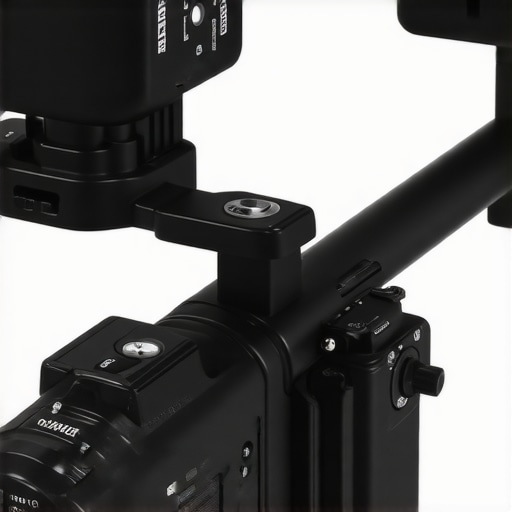
Image showing the rail system assembled with a lightweight camera, highlighting the compact size and build quality.
Performance Under Pressure: A Deep Dive
In the demanding realm of content creation, studio gear, lighting kits, cameras, microphones, and rigs must withstand rigorous conditions. Whether you’re editing high-resolution 4K videos, managing a live shoot in fluctuating environmental conditions, or handling the unpredictable nature of field recording, the resilience of this equipment is crucial. For instance, during a high-stakes shoot, lighting setups may be challenged by power fluctuations or environmental factors, demanding robust build quality and reliable performance.
Can Microphones Survive a Rainstorm?
Microphones, especially condenser and shotgun types, often struggle with moisture and dust. In a scenario like outdoor recording during rain, many microphones fail to deliver clear audio or suffer physical damage. Budget models tend to be less weather-resistant, leading to crackling sounds or complete failure if not protected adequately. Professional-grade microphones with weatherproofing demonstrate better durability but come at a higher cost. This highlights the importance of choosing gear suited to the environment.
How Do Lighting Kits Handle Extreme Conditions?
Lighting kits deployed in outdoor shoots or on location are tested when exposed to heat, cold, or humidity. LED panels with high-quality heatsinks perform well under prolonged use, maintaining consistent brightness without overheating. Conversely, cheaper LED kits tend to flicker or shut down prematurely due to thermal stress. A real-world example is shooting a sunset scene where consistent lighting is essential; inferior gear risks flickering or color shifts, undermining production quality.
Is Camera Stability Achieved During Rapid Movement?
Camera rigs and stabilizers face intense scrutiny when used in fast-paced scenes or dynamic environments. A rig that performs flawlessly on a controlled set may falter amidst vigorous movement or uneven terrain. Lightweight rigs, while portable, often exhibit flex or wobble under heavy or uneven loads. High-end stabilizers equipped with advanced dampening components manage shocks better, but entry-level rigs might struggle with jitteriness, affecting shot quality.
The Good & The Bad of Heavy Usage
When equipment faces relentless workload, several key strengths emerge. High-quality studio gear often endures extended sessions without overheating or malfunctioning, thanks to superior materials and engineering. Microphones with robust shock mounts and weatherproof casings excel in field conditions, and lighting rigs designed for heat dissipation maintain stable output over hours of operation. However, weaknesses become apparent under duress. Cheaper gear tends to overheat, suffer physical wear, and lose calibration quickly. For example, budget microphones may produce static noise after prolonged exposure to moisture, and lighting kits may lose brightness or flicker.
Real-world testing confirms that durability is often correlated with price and build quality. Budget gear may suffice for casual use but falls short during demanding shoots. The key is understanding specific needs—requiring portable gear that can handle sudden environmental changes versus stationary setups in controlled environments.
Existing users’ insights are invaluable—do you agree with these observations? Share your experiences and tell us how your equipment held up under pressure!
For further verification, a Reddit discussion on gear durability during outdoor shoots emphasizes the importance of weatherproofing and heat resistance in field equipment (source).
Choosing Between Budget and Premium Gear in Content Creation
When selecting studio equipment, creators often face the dilemma of balancing cost against features and durability. Affordable options like the budget-friendly rail systems, lighting kits, and microphones are enticing for newcomers or those on a tight budget. Conversely, high-end gear from brands such as Red, Arri, or Sennheiser offers superior build quality and performance but at a significantly higher price point.
Studio Rigs: Flexibility vs. Reliability
Comparing entry-level rigs, like the recent budget rail systems, with professional setups such as the Tilta Hybrid Camera Cage or DJI Ronin 4D reveals stark differences. Budget rigs are typically lightweight, portable, and quick to assemble, making them ideal for creators on the move or those just starting out. They usually employ aluminum or plastics that, while durable enough for casual use, may flex under heavier loads or prolonged use, potentially affecting shot stability. Professional rigs, on the other hand, use advanced materials like carbon fiber or high-grade alloys, providing unmatched rigidity and longevity, though they come with a price exceeding several thousand dollars. For those needing dependable stability in high-stakes shoots, the investment in a premium rig can be justified.
Lighting Kits: Versatility Versus Precision
Lighting is critical, and the choice often boils down to LED panels like the Neewer 660 vs. high-end brands such as Aputure Lighting’s Nova series. Budget kits excel in portability and ease of use, offering adjustable brightness and color temperature at a fraction of the cost. However, they may lack the consistent color accuracy or durability of professional-grade lighting, which features advanced heat dissipation and precise energy management. For professional videographers or photographers demanding accurate color reproduction, investing in premium lighting becomes essential. When comparing, consider the usage environment—cheap kits might suffice for casual projects, but professional productions require the robustness and consistency of higher-tier options.
Microphone Reviews: Affordability Meets Sound Quality
The comparison between affordable microphones such as the Rode VideoMic GO and more expensive, studio-grade mics like the Sennheiser MKH series hinges on sound fidelity and durability. Cheaper mics are suitable for vlogs and streaming but may struggle with noise floor and frequency response, especially in noisy environments. Premium microphones feature excellent shock mounts, weatherproofing, and wider frequency ranges, making them better suited for studio recordings or critical field work. For content creators, choosing a microphone depends on the balance between budget and audio quality; a £100 microphone might be enough for YouTube videos, but serious podcasting or film production necessitates investing in higher-end models.
The Creator Rigs: Portability or Precision?
Compact, lightweight rigs designed for mobility, such as budget stabilizers or modular camera cages, are perfect for quick setups and tight spaces. They often use lighter materials and simpler mechanisms, which can lead to flex or less stability under demanding conditions. High-end rigs like the RED Komodo or ARRI Alexa systems offer advanced stabilization, modularity, and durability, making them suitable for professional shoots requiring flawless footage. If your work involves frequent location shoots with a need for maximum reliability, investing in top-tier rigs can pay dividends, although they come with increased complexity and cost.
Is It Worth the Upgrade?
In the context of evolving content creation demands, upgrades often focus on improved stability, color accuracy, and durability. A newer version of a professional rig or light might incorporate better materials and more refined features, justifying its higher price. For instance, upgrading from a basic studio light to an Aputure Nova offers not just brightness but superior color reproduction and build quality. Check current prices and reviews on sites like B&H or Adorama to compare options and see if the additional investment fits your needs. If you want a detailed comparison of specific models, consider reviewing their official specifications and user feedback.
The Pros & Cons of the $25 Rail System
- Pros: Lightweight, durable aluminum construction; easy to assemble; compact and portable; noticeably improves low-angle shot stability when paired with lightweight cameras.
- Cons: Flexes under heavier loads; limited customization options; may not be suitable for professional, heavy-duty setups needing extreme durability.
Who Should Invest in This Budget Stabilizer?
This rig is perfect for hobbyists, vloggers, and small-scale content creators on a tight budget looking to add basic stabilization during low-angle shots. Skip this if you require absolute precision, heavy-duty durability, or professional-grade stability for high-end productions.
Final Verdict: 7/10 | Simple Fix for Beginners, But Not for Heavy Use
If you’re seeking an affordable way to improve shot stability without breaking the bank, this rail system offers decent benefits for lightweight setups. However, its limitations suggest it’s best suited for casual creators. For more affordable gear ideas, consider exploring options like this acoustic blanket trick or other entry-level studio accessories. If you need something more robust, it might be worth investing in a higher-end stabilizer.