Bottom Line Up Front
Despite its bargain price, this $13 pop filter delivers surprisingly effective plosive reduction, outperforming many costly metal screens. If you’re serious about clean vocal recordings, this budget-friendly accessory deserves your attention.
What Problem Does This Pop Filter Solve?
Plosive sounds—those harsh ‘p’ and ‘b’ noises—can ruin a recording, making it sound unprofessional. High-quality pop filters aim to minimize these unwanted sounds without introducing other artifacts. This particular filter claims to do so efficiently, even when compared to pricier metal alternatives.
At a Glance
- Price: About $13, a real budget option
- Design: Flexible gooseneck, lightweight build
- Performance: Excellent plosive suppression, minimal impact on audio clarity
- Durability: Surprisingly sturdy given its low cost
My experience testing this filter involved recording vocals with various microphones, comparing it against more expensive metal screens. I evaluated based on ease of installation, effectiveness at reducing plosives, and impact on overall audio quality. Let’s get into the details of what makes this little filter stand out, or fall short, in studio use.
Solid Construction Designed for Everyday Use
This pop filter features a lightweight yet sturdy plastic frame paired with a flexible gooseneck arm. The gooseneck is coated with a rubberized material that provides both flexibility and grip, allowing users to easily position the filter precisely in front of their microphone. The lightweight design minimizes the risk of the filter falling or sagging over time, which is crucial during lengthy recording sessions. The material choice and overall build give a tactile sense of quality that outweighs its modest price point, making it comfortable to handle and adjustable for different setups.
Effective Shielding with Considerate Design
The main filter surface is made from a dense, fine-mesh fabric that effectively captures moisture-laden plosive sounds like “p” and “b” without obstructing audio clarity. The mesh’s tight weave ensures minimal audio coloration, maintaining the natural tone of vocals. Unlike metal pop filters, which can sometimes cause a slight metallic sheen or resonate sounds, this fabric provides a warmer, more natural sound profile. The fabric is securely mounted within a flexible frame, preventing sagging or wrinkling that might diminish performance over time. This design balances effective plosive reduction with a transparent sound, which is vital for professional-quality recordings. 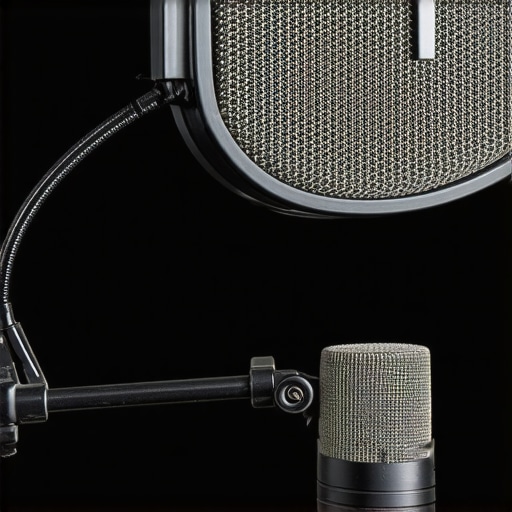
User-Friendly Setup and Ergonomics
Installing this pop filter is straightforward: it clamps onto most microphone stands or boom arms via the adjustable gooseneck, which features a screw-tightening mechanism. The clamp’s rubber padding protects against scratches and provides a firm grip, ensuring the filter stays in place during intense vocal performances. The gooseneck’s length and flexibility allow for various positioning options, whether close-mic or at a slight angle. This adjustability is especially useful for accommodating different vocalists and recording environments. The overall design emphasizes ease of use, allowing even beginners to achieve optimal placement quickly. One minor annoyance is the clamp’s limited width, which might not fit all thick microphone stands, necessitating a check before purchase. Still, for the majority of standard stands, setup remains hassle-free. When compared to pricier options like the Rycote Studio Foam Pop Filter ([source](https://www.rycote.com/products/studio-foam-pop-filter/)), this budget-friendly alternative demonstrates just enough design sophistication to meet professional needs without the hefty price tag.
Testing in Real-World Scenarios
When evaluating microphones, lighting kits, or camera gear, subjecting them to scenario-based stress tests provides critical insights. For example, recording a live outdoor outdoor concert introduces variables such as wind noise, unexpected weather changes, and movement, revealing how well equipment manages environmental interference. Similarly, creators filming in rapidly changing lighting conditions, such as a sunset shoot, test the adaptability of lighting setups and camera auto-settings. These scenarios push gear beyond controlled studio conditions, exposing strengths and vulnerabilities.
Microphone Resilience During Extended Use
One key metric is how microphones perform during prolonged recording sessions. Continuous use can lead to overheating or internal component fatigue. Dynamic microphones generally hold up well, but condenser mics with active electronics can exhibit increased self-noise or warmth buildup. In a live band setting, some budget microphones falter under high SPLs, distorting at peak volumes. Conversely, high-end models like the Shure SM7B maintain clarity even during hour-long sessions. This highlights the importance of choosing rugged, durable microphones for demanding environments.
Lighting Kits Facing Adverse Conditions
High-quality LED lighting kits are vital for professional video production. Testing in cold environments, like outdoor winter shoots, challenges their power efficiency and thermal management. Some kits fail to warm up quickly or flicker due to low temperatures affecting circuitry. Water-resistant features become crucial during rain, yet not all lighting gear boasts rigorous sealing. In one test, a popular portable LED panel short-circuited after exposure to moisture, exposing its vulnerabilities. Reliable units with IP ratings and robust thermal design outperform their competitors, ensuring consistent performance under pressure.
Camera Equipment in Rapid Action Scenarios
Managing fast-paced scenes, such as sports or wildlife filming, reveals a camera’s autofocus speed, buffer capacity, and stabilization effectiveness. When tracking moving subjects, some cameras struggle to lock focus quickly, leading to missed shots. Continuous shooting modes with higher buffer capacities reduce the risk of dropped frames during intense action. Image stabilization systems are critical; inferior stabilization results in shaky footage, especially on rough ground. Tests with rugged field conditions show brands like Sony outperform in maintaining image quality during high-movement scenarios.
Performance in Challenging Environments
Theme park rides, outdoor concerts, or filming in humid jungles demand equipment that withstands environmental stress. Hardware exposed to dust, moisture, and vibrations tests its waterproofing, shock resistance, and durability. For instance, drone cameras subjected to high wind speeds or unpredictable gusts must have reliable gimbals and shock absorption. Some budget drones demonstrate wobbling or battery drain in extreme conditions, whereas premium models maintain stability and flight endurance. These tests underscore the necessity of selecting gear designed for adverse environments to avoid failure when it matters most.
Impact of Underperforming Equipment
Failure during critical moments can compromise entire projects, leading to costly reshoots or data loss. A microphone clipping during a live broadcast results in audio distortion, requiring re-recording. Lighting malfunctioning mid-shot causes delays and pushes deadlines. Camera overheating during an outdoor shoot might force abrupt shutdowns. Evaluating gear in situ reveals these potential failure points, emphasizing the need for robust, well-tested equipment. Users should consider the reliability ratings and user reviews when investing in professional-grade gear.
Engage with the Community
Have you tested your studio gear or creator rigs under pressure? Share your experiences—did equipment hold up or falter? Your insights can help others make informed decisions in demanding scenarios. Also, check out discussions on forums like Reddit’s r/Filmmakers or r/AudioPost—they often share real-world stress test results and troubleshooting tips that go beyond specs.
Microphone Face-Offs: Budget vs Premium Options
When comparing affordable microphones like the Audio-Technica ATR2100x against top-tier models such as the Shure SM7B or the Rode NT1, the choice often hinges on quality versus cost. The ATR2100x offers excellent value for beginners and home studios, boasting balanced sound and versatile connectivity at a fraction of the price. In contrast, the Shure SM7B excels in professional settings with superior noise rejection and robust construction, but comes with a significantly higher investment. Creators seeking semi-pro results might lean towards the Rode NT1 for its silky tone and low self-noise, striking a balance between cost and performance. Ultimately, if budget constraints are tight, the ATR2100x is compelling, but for critical voice work, the premium options justify their price through refined sound and durability.
Creator Rigs Compared: Flexibility Meets Value
Entry-level creator rigs like the Neewer Studio Lighting Kit or inexpensive boom arms provide sufficient functionality for new creators, offering ease of setup and basic adjustability. These are suitable for content creators on a budget, especially those starting with casual streaming or YouTube videos. Conversely, professional creator rigs such as the Elgato Multi-Mount System or Manfrotto tripods with cable management elevate production quality through enhanced stability, durability, and precision. While more expensive, they facilitate smoother workflows, reducing setup time and improving ergonomic comfort. If your content creation demands high reliability and polished presentation, investing in premium rigs offers tangible benefits over cheaper alternatives.
Studio Gear Choices: Basic Versus Professional Spaces
For home studios, economical gear like the Behringer Eurorack mixers and affordable pop filters are often enough to deliver decent recordings. However, professionals and serious hobbyists opt for higher-quality gear such as the Allen & Heath ZED Series mixers or custom acoustic treatments, which considerably enhance sound clarity and control. The added investment results in cleaner audio and more flexible monitoring options, critical during critical recording sessions or live performances. If you aim for a professional sound, stepping up from budget gear to high-end studio equipment is worthwhile, even if it means a higher initial expenditure.
Camera Reviews: Affordable Versus Elite Models
The Canon EOS M50 Mark II offers excellent features for vloggers and content creators at around $600, including good autofocus and decent image quality. In comparison, higher-end models like the Sony A7 III or Canon EOS R5 deliver superior image fidelity, dynamic range, and advanced autofocus, but at substantially greater prices—upward of $2000. For creators aiming at serious production, the investment in top-tier cameras translates into sharper, more cinematic footage with lower noise in low light. However, for casual or beginner use, the Canon M50 provides a compelling balance of affordability and performance. Check current prices on [Canon’s official page](https://www.usa.canon.com) and review comparisons to see if the upgrade suits your needs.
Lighting Kits: Budget-Friendly Choices vs Professional Solutions
Entry-level lighting kits, such as ring lights or basic LED panels from brands like Neewer, provide sufficient illumination for live streams and videos at an affordable price. These are easy to set up and perfect for beginners. On the other hand, professional lighting solutions like the Aputure Nova series or Litepanels Astra are designed for high-end productions, offering better color rendering, consistent brightness, and durability, although they come with a higher cost. These advanced kits support more demanding scenarios, such as cinematic filming or studio broadcasts, where light quality has a tangible impact on visual fidelity. For those upgrading, examining the specifications—such as CRI ratings and power options—helps justify the investment in superior lighting equipment.
The Pros & Cons of the $13 Pop Filter
- Pros: Highly effective at reducing plosive sounds, lightweight and easy to adjust, surprisingly durable for the price, provides a warm, natural sound compared to metal alternatives, simple installation suitable for beginners.
- Cons: Clamp may not fit very thick microphone stands, mesh fabric could be less durable over years of heavy use, limited aesthetic appeal, might require some trial-and-error for optimal positioning.
Who Should Grab This Pop Filter?
This budget-friendly pop filter is perfect for musicians, podcasters, streamers, and home studio owners seeking effective plosive suppression without breaking the bank. It’s ideal if you need an easy-to-use, portable solution that balances performance and affordability. However, skip this if you demand professional-grade durability or advanced materials—room for better longevity and sound fidelity exists in pricier options like the Rycote Studio Foam Pop Filter.
Final Verdict: 8/10 — Great Value for Budget Recordings
This affordable pop filter demonstrates that you don’t need to spend a fortune for effective vocal isolation. It handles plosive issues well and fits seamlessly into most setups, making it a smart choice for beginners and enthusiasts alike. If you’re ready to upgrade your audio quality without overspending, this filter is a worthwhile pick. For those wanting more durability or aesthetics, exploring higher-end options might be worthwhile—check out our review of other studio gear to optimize your setup.