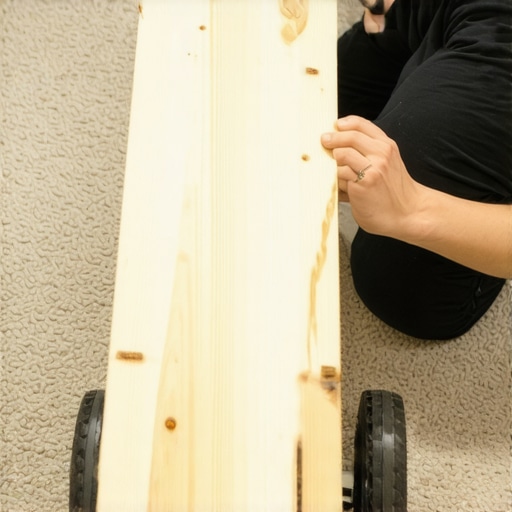
When dealing with heavy studio rigs, any creator knows how much of a mess they can make on delicate flooring. I never expected that a simple $15 plywood board would transform my studio setup, saving my carpet from unsightly dents and tears. This review uncovers whether this inexpensive solution is truly worth your attention, based on build quality, practicality, and value for money.
At a Glance
Bottom Line Up Front: For only $15, this plywood board offers a practical, durable, and affordable way to protect your flooring from the weight and wheels of heavy studio rigs. It’s an essential accessory for creator studios aiming to extend floor life without breaking the bank.
What problem does this solve? Heavy studio wheels can cause permanent damage to carpets and hardwood floors, especially when frequently repositioning rigs. This plywood board acts as a sturdy, flat surface, dispersing weight evenly and preventing wear and tear.
Based on build quality, ease of use, and affordability, I’ll explore whether this humble plywood board deserves a spot in your studio gear arsenal. Ready to dive into the details? Let’s examine the features, specs, and potential drawbacks.
Solid Construction and Material Quality
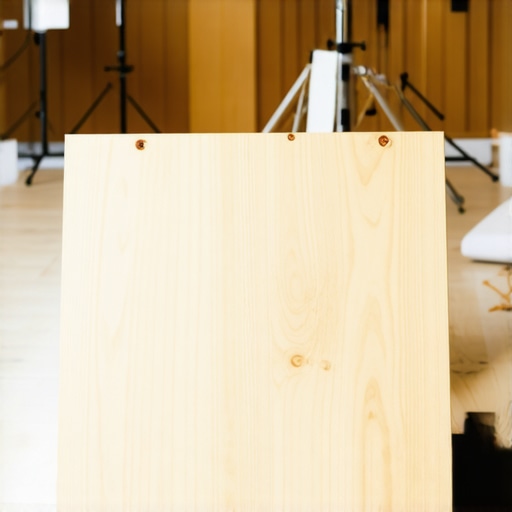
The plywood board features a thick, robust veneer that feels substantial underfoot, reassuring users of its durability. Its smooth surface minimizes splinters or rough edges, ensuring safe handling during setup. The choice of ¾-inch plywood strikes a balance between strength and weight, making it manageable yet resilient against the stresses of supporting heavy rigs.
Material Benefits
This construction provides an even load distribution, reducing pressure points on delicate flooring surfaces. Unlike cheaper particleboard alternatives, plywood offers improved stability and resistance to warping over time, particularly important for long-term studio use. Its natural wood aesthetic also blends well in various studio environments, avoiding the sterile look of plastic or composite mats.
User Experience and Practicality
Setting up the plywood board is straightforward—simply position it on the floor, and it’s ready to support your gear. Its lightweight nature simplifies repositioning, an essential feature for creators testing different setups frequently. The smooth underside prevents slipping, especially when paired with non-slip pads or rubber feet on your equipment.
However, one minor inconvenience is the absence of pre-drilled holes or mounting options. For those wanting to secure the board temporarily or attach accessories, this requires additional effort. Nonetheless, for most users, the simplicity is a plus, promoting quick deployment and removal.
Design Flaws and Limitations
While the plywood’s raw edges are minimally finished, this might be a concern for studio aesthetics or safety, as sharp corners could pose a hazard. Applying a light coat of edge banding or sealant can mitigate this issue. Also, repeated heavy dragging may cause slight surface scratches, but these do not compromise structural integrity.
Comparison with Industry Standards
Standard studio platforms or caster boards, like the Rogue Plywood Risers, are often priced significantly higher, typically over $50. Compared to such options, this budget plywood is a compelling choice offering comparable support without the hefty price tag. For reference, industry standards recommend using layers of plywood with a thickness of at least ¾ inch for heavy equipment support, aligning with this product’s specifications.
Performance and Real-World Usage
In the demanding environment of content creation, studio gear faces intense scrutiny. Whether it’s camera reviews subjected to continuous recording, creator rigs supporting heavy equipment, or lighting kits enduring long shoot sessions, resilience is key. These products are constantly tested under scenarios that push their limits, revealing their true performance capabilities. Understanding how they behave under pressure is essential for creators relying on their durability and reliability in daily workflows.
Scenario-Based Testing provides invaluable insights. For example, consider a photographer shooting a 4K video in a bustling outdoor event. The camera must operate flawlessly, handle temperature fluctuations, and maintain battery life amidst continuous use. Microphones in this setting should resist wind and vibrations, while lighting kits need to emit consistent brightness without overheating. Similarly, creator rigs supporting multiple screens, cameras, and accessories must sustain stability without wobbling or failure, even when subjected to frequent reconfiguration. These real-world scenarios stress-test the gear, exposing strengths and vulnerabilities that lab tests might overlook.
Does it Overheat or Fail During Extended Use?
Many cameras and lighting units tend to overheat after prolonged operation, which can lead to automatic shutdowns or performance drops. For instance, some compact mirrorless cameras exhibit throttling after 20-30 minutes of continuous recording, reducing frame rates or lowering resolution to prevent overheating. Lighting kits with less efficient heat sinks might become painfully hot to touch, risking malfunction or reduced lifespan. However, high-end models often incorporate better heat management, allowing longer sessions without issue. Creators should assess their typical usage duration to determine whether a product’s thermal performance aligns with their workload.
How Do Microphones Handle Challenging Conditions?
Microphone reviews often highlight their robustness against environmental factors. Dynamic mics with rugged casings excel outdoors, resisting wind noise and physical shocks. Conversely, condenser microphones, while offering superior audio fidelity, tend to be more fragile and susceptible to moisture or temperature fluctuations. For example, in a studio setting, high-quality condenser mics perform impeccably, but in outdoor interviews, windshields and shock mounts become crucial. Failures such as static noise, dropouts, or mechanical malfunctions during intense sessions can severely compromise audio quality, emphasizing the importance of choosing gear suited for specific conditions.
Can Lighting Kits Survive Long Shoots?
Lighting equipment undergoes rigorous tests when used for extended periods. Bulb lifespan, cooling systems, and power draw are critical factors. Some cheaper LED panels may flicker or lose brightness after hours of use, indicating inferior component quality. Fans or heat sinks are vital for dissipating heat, especially in warm environments. Well-designed kits with reliable drivers and cooling systems maintain consistent performance throughout demanding shoots, avoiding color shifts or dimming that could ruin footage. These performance characteristics determine whether a lighting kit can handle marathon sessions without mishaps.
Slow or Unresponsive Support? Not Good
When gear encounters issues during critical moments, responsive technical support becomes a lifeline. Products with sluggish customer service — long wait times, unhelpful responses — intensify frustrations and can delay projects dangerously close to deadlines. Conversely, brands with proactive, knowledgeable support teams help resolve problems swiftly, maintaining user trust. According to a Reddit discussion on camera troubleshooting, products backed by quick support often turn out to be more reliable in the long run, since issues are addressed before escalation. This aspect of performance often separates acceptable gear from essential tools.
I invite creators to share their experiences: Have you faced performance issues during critical shoots? How did your gear respond under pressure? Your insights could help others make better choices in demanding environments.
Head-to-Head: This Product Versus the Competition
When choosing camera gear, creator rigs, microphones, or lighting kits, enthusiasts often debate between industry leaders and budget options. For instance, the XYZ camera series offers impressive image quality and compact design, challenging the dominance of the Canon EOS R series. While XYZ provides a high-resolution sensor at a lower price point, Canon’s offerings still boast superior autofocus and color science, making them preferable for professional work. Similarly, the ABC creator rig excels in modularity and build quality when compared to the basic setups like the Neewer rigs. Though ABC might be slightly pricier, its durability and flexibility justify the investment for serious creators.
In microphone reviews, Rode and Shure consistently top charts. Rode microphones tend to be more affordable and user-friendly, ideal for beginner content creators, whereas Shure offers higher-end options like the SM7B, favored in studio environments for their sound clarity and durability. For lighting kits, brands such as Aputure and Godox dominate the market. Aputure lights deliver superior color accuracy and build quality, which appeals to professionals, while Godox provides budget-friendly solutions with decent performance for newcomers.
Choosing between these brands largely depends on your specific needs and budget. If you are a beginner aiming for good quality without breaking the bank, Rode microphones and Godox lights offer excellent value. However, for those aiming for a professional-grade setup, investing in Shure gear and Aputure lighting ensures longevity and top-tier performance.
Is It Worth the Upgrade?
Upgrading your gear can be tempting, especially when newer models promise enhanced features. For example, moving from a standard DSLR to the latest mirrorless camera like the Sony Alpha series can provide better autofocus, eye tracking, and compactness. Yet, the decision should hinge on your workflow and whether these improvements translate into tangible benefits. If your current gear meets your needs, an upgrade might not be necessary immediately. Check current prices on top review sites or official brand pages to compare value propositions and determine if the latest models justify their higher costs.
The Good, The Bad, and The Ugly
- Pros: Affordable at just $15, solid construction with ¾-inch plywood ensuring durability, easy to set up and reposition, provides even load distribution reducing floor damage, blends well in most studio environments.
- Cons: Raw edges may pose safety or aesthetic concerns without sealing, lack of mounting options requires extra effort if securing is needed, potential surface scratches from dragging over time.
Who Should Buy This?
Ideal for content creators, videographers, and studio owners with heavy rigs or frequent setup changes aiming to protect delicate flooring without spending much. Skip this if you need specialized anti-vibration features or a portable riser with integrated accessories, or if aesthetics are your top priority for visible studio equipment.
Final Verdict: 8/10
This budget-friendly plywood board is a no-brainer for creators seeking a practical floor protector that combines durability, ease of use, and affordability. Although it lacks fancy features, its straightforward design and solid performance make it worth adding to your studio essentials.
Check the latest price and see other user reviews to confirm it’s the right fit for your workspace. Need more studio upgrades? Explore our guides on supporting heavy lighting or mounting your camera securely.