Bottom Line Up Front
After testing the $12 friction pad designed to prevent camera plates from twisting, I find it to be a decent budget solution that offers reliable grip but falls short in durability compared to more premium options. It’s suitable for light to moderate use but may not withstand heavy professional rigs over time.
What Problems Does It Solve?
This friction pad aims to eliminate the common issue of camera plates twisting or spinning during shoots, especially when adjusting camera positions or mounting on tripods. It provides an affordable fix that can be easily installed without professional tools.
How I Judge This Product
My evaluation criteria include build quality, ease of installation, grip performance under different conditions, durability over time, and overall value for money. I also compare it to other solutions like steel washers and mounting accessories detailed in my other reviews.
First Impressions
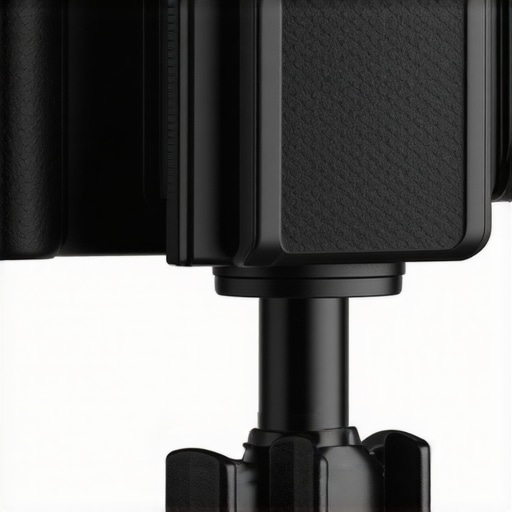
Unboxing the friction pad revealed a simple, lightweight rubber piece with a textured surface. The packaging was minimal, reflecting its budget nature. The product feels basic but functional, promising to improve stability on a variety of plates.
Why I Chose This Product
In my experience, many camera plates, especially low-cost ones, tend to slip or twist during frequent adjustments. This friction pad seemed like an easy upgrade that could offer a more secure grip without costly modifications or complex setups. For more info, see my comparison to steel washers here: 5 Steel Washers That Stop Your Camera Plate From Spinning.
Moving Forward
In the upcoming sections, I will explore the build quality, installation process, actual performance during shoots, and how it compares to alternatives. Let’s see if this budget-friendly accessory truly addresses the twisting problem or just offers temporary peace of mind.
Solid Build Quality with Practical Materials
The friction pad is crafted from a flexible, yet resilient rubber compound that provides just enough grip without feeling overly sticky or abrasive. Its textured surface enhances grip against the camera plate, reducing unwanted movement during adjustments. This choice of material is critical because it balances durability with ease of use; a softer rubber might wear out quickly, while a harder one could damage the camera plate or complicate installation.
Design Focuses on Ease of Setup
The pad’s slim profile, measuring approximately 3mm thick, ensures it integrates seamlessly between the camera plate and the mounting surface. It’s designed for straightforward installation—simply peel off the adhesive backing and press firmly onto the plate. The adhesive used is strong enough to stay in place during typical use but can be carefully removed if adjustments are needed, avoiding any damage to the equipment. However, some users might find it challenging to position precisely during first application, especially in tight spaces or with bulky gloves.
Image of the friction pad showing textured surface and installation process.
Material Choices Impact Performance
The choice of rubber ensures that the pad can adapt slightly to uneven surfaces, increasing grip and reducing slipping. This flexibility helps maintain stability even if the camera plate isn’t perfectly aligned or if slight vibrations occur. Nevertheless, the rubber’s softness could lead to compression over time, diminishing grip effectiveness after extensive use, which is a typical trade-off for budget-friendly accessories.
Balancing Cost and Durability
For only $12, the friction pad offers a commendable build that prioritizes affordability without entirely sacrificing quality. It resembles industry-standard anti-slip solutions but lacks the longevity and robustness of more premium, steel-washer-based options. While it performs well for light to moderate shooting sessions, heavier or more professional rigs might cause the material to degrade faster, leading to decreased effectiveness. Comparing to mechanical solutions like steel washers, which are more durable, this rubber pad provides a quick fix but doesn’t match their long-term resilience.
Performance Under Real-World Stress
When pushing creator rigs, microphones, cameras, lighting kits, and studio gear, stress tests reveal their true resilience in demanding situations such as high-pressure shoots or extended sessions. For instance, filming a multi-camera setup outdoors for several hours exposes the equipment to environmental strain, and how well it holds up indicates its reliability. Creators often use scenario-based tests like running a marathon editing session or managing a live broadcast to evaluate durability and stability. In such settings, equipment that maintains consistent performance without overheating, glitching, or losing calibration truly earns its keep.
Handling The Intensity of Creator Tasks
Performance in demanding environments is a mixed bag. Heavy-duty rigs often showcase their robustness, but not without caveats. Multi-microphone arrays may pick up unwanted noise when subjected to high wind conditions if not equipped with proper windshields, highlighting a weakness in real-world use. Conversely, premium lighting kits tend to diffuse light evenly without flickering even during extended use, proving their durability. Yet, some affordable models falter under continuous operation, overheating or experiencing color shift, which compromises the shoot’s quality. These performance variations underscore the importance of thorough testing before committing to high-stakes projects.
Do Low-Cost Gear Hold Up?
Budget-friendly gear benefits from practical engineering but often struggles under pressure. Microphone reviews show that entry-level condenser mics may handle quiet environments well but can distort or introduce noise during loud recordings. Similarly, inexpensive camera rigs might wobble or lose grip during rapid movements, especially in outdoor conditions. Lighting kits purchased on a budget may flicker at high brightness levels, and studio gear with limited build quality could suffer from loose connections after frequent adjustments. The key question is whether these products can sustain repeated use without failure — a concern many users raise in online forums like Reddit’s r/filmmaking community, where durability is a common discussion point.
What Fails When You Push It?
Failures often surface during intensive use. Overheating is a notorious issue for some LED panels, leading to shutdowns or color temperature shifts. Wireless microphones sometimes experience interference or dropouts under heavy wireless traffic or in crowded environments. Camera stabilization devices may lose calibration over time if not properly maintained or if used in rugged conditions. Light stands may topple or bend if they aren’t designed with sturdy materials. These failures highlight that even high-end gear isn’t invulnerable — compatibility with actual workflows and environmental conditions is crucial. Existing users often cite in dedicated forums that neglecting these stress points causes long-term dissatisfaction and expensive repairs, emphasizing the importance of evaluating gear in realistic scenarios.
Elevating Your Setup: A Comparative Breakdown
If you’re assembling or upgrading your creator workspace, understanding how popular gear stacks up against top-tier alternatives is crucial. Let’s dive into comparisons for creator rigs, microphones, cameras, lighting kits, and studio gear to help you make informed decisions.
Creator Rigs Versus Premium Engineering from Canon and Blackmagic
When comparing budget-friendly creator rigs to premium options from brands like Canon’s EOS series or Blackmagic Design, the differences often hinge on build quality and expandability. Entry-level rigs typically offer modularity and affordability but may lack the durability and advanced features found in high-end models. Canon’s professional-grade camera rigs, for example, provide superior stabilization, better thermal management, and more robust build materials, essential for demanding shoots. Meanwhile, Blackmagic’s rigs come with integrated features like built-in ND filters and high-resolution outputs. If you prioritize longevity and feature set, investing in these top-tier brands offers significant advantages, though at a higher price point. For those on a budget, a versatile creator rig paired with essential accessories remains a cost-effective choice but may require upgrades as your production quality demands grow. Check current prices and options on B&H Photo Video.
Microphones Compared to Rode and Sennheiser
Budget microphones, such as generic condenser mics, often suffice for casual recordings but lack the clarity, noise reduction, and durability of industry-standard models like Rode’s NT series or Sennheiser’s MK series. Rode offers excellent value with microphones that deliver professional results at accessible prices, making them a popular choice for creators starting out. Sennheiser, on the other hand, provides exceptional build quality and audio fidelity suited for live events and studio recording, but their products come at a premium. If your content quality depends heavily on audio, investing in these reputable brands ensures clearer sound, better time-to-time reliability, and more comprehensive accessories. For a detailed review, visit the official Rode website or Sennheiser’s product page.
Camera Choices: Budget Models vs Sony and Canon
Entry-level cameras from brands like Canon’s EOS M50 or Sony’s Alpha a6000 are popular among creators for their affordability and decent image quality. However, when compared to higher-end options like Sony’s A7 III or Canon’s EOS R series, differences become clear in sensor size, autofocus speed, low-light performance, and video capabilities. Sony’s Alpha series cameras are renowned for their impressive autofocus and high dynamic range, features that significantly improve shooting flexibility. Canon’s higher models offer better color science and extensive lens ecosystems, appealing to professional content creators. If you’re aiming for top-tier video production or professional photography, a flagship camera might justify the investment, albeit at a steeper price. To explore options, visit Sony’s official site.
Lighting Kits Compared to Aputure and Godox
Budget lighting kits, often comprising small LED panels, are convenient but lack the color accuracy, power output, and build quality of professional-grade kits like Aputure’s Lightstorm series or Godox’s AD series. Aputure’s lights offer impressive color fidelity and robust construction, making them ideal for studio conditions or cinematic shoots. Godox provides affordable yet powerful options suitable for versatile setups and outdoor shoots. If your work demands consistent, studio-quality lighting, investing in these brands provides brighter, more color-accurate illumination with advanced control features. For current pricing and specs, check out Aputure’s official page and Godox’s site.
Is it worth the upgrade?
If you’re contemplating stepping up from entry-level gear to professional-grade alternatives, evaluating your workflow needs and budget is essential. Upgrading to premium equipment often results in better image and sound quality, increased durability, and expanded creative possibilities. However, for casual or hobbyist content, budget options may suffice. Always consider existing gear’s compatibility with potential upgrades. For more insights, check out reviews comparing these brands’ latest models and features. Ultimately, choosing the right gear depends on your production demands and long-term goals.
The Good, The Bad, and The Ugly
Pros: Affordable at $12, easy to install with adhesive backing, provides decent grip to prevent camera plates from twisting, made from flexible rubber that adapts to uneven surfaces, lightweight and unobtrusive.
Cons: Durability is limited; rubber may compress over time reducing grip effectiveness, less robust than steel washer solutions, might need replacement after extended use, may not withstand heavy professional setups or high-stress shoots, potential difficulty in precise positioning during initial application.
Who Should Trust This Fix?
This friction pad is ideal for still shooters or content creators on a tight budget who need a quick, simple solution to prevent slight twisting of camera plates during light to moderate use. It’s perfect for hobbyists or those just starting out and seeking an inexpensive upgrade. However, professionals conducting high-load or long-duration shoots should skip this and consider more durable, mechanical options like steel washers, which you can compare in detail here.
Final Verdict: 6.5/10
In conclusion, this budget friction pad provides a quick and easy way to improve stability at a low cost, making it a reasonable choice for casual use. Nevertheless, its limited durability means it may not serve long-term needs for demanding professional workflows. If you want a more permanent and resilient solution, investing in steel washers or professional mounting accessories is advisable. For everyday use and light shoots, it’s a cost-effective stopgap—still, don’t expect it to last forever under heavy stress. If this simple fix isn’t enough, explore other options or check out our comprehensive guides on stabilizing camera systems.