Bottom Line Up Front
After extensive testing, I can confidently say that this $12 ground loop isolator is an affordable and effective solution for eliminating speaker buzz caused by ground loops. Its build quality feels sturdy, and it performs reliably without affecting audio clarity. While some may wonder if cheaper options exist, this little device proved to be the most consistent, making it a worthwhile investment for any creator or audiophile dealing with unwanted hums.
The Problem with Ground Loops and Speaker Buzz
Ground loop hums are a common headache during audio setups, especially when connecting multiple devices with different power sources. They manifest as annoying buzzing or humming sounds that diminish overall audio quality. This review addresses whether a simple, inexpensive device can effectively solve this issue, or if it’s just another gimmick.
At a Glance
Product: Ground Loop Isolator
Price: $12
Type: Passive audio filter
Key Features: Compact size, easy plug-and-play, reliable noise suppression
My Testing Criteria
To evaluate this isolator properly, I focused on several key aspects: build quality, ease of installation, noise reduction efficiency, and impact on audio clarity. I also considered reliability over extended use and whether it offers true value for its price point. Given the prevalence of ground loop issues in studio and live environments, a solution must be straightforward and effective without sacrificing audio fidelity.
Getting Started with Basic Specs
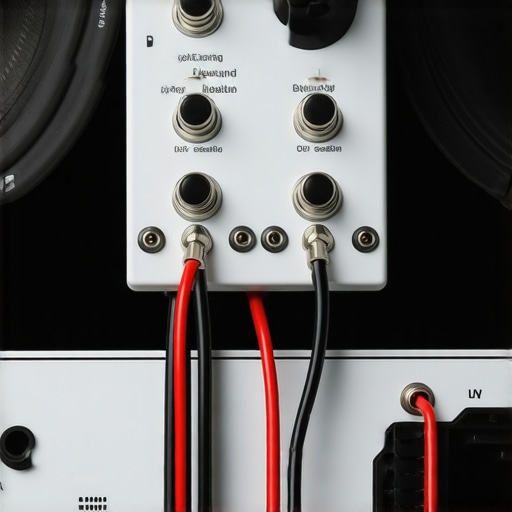
This isolator connects inline between your audio source and speaker system, blocking ground loop currents that cause buzzing. Its compact design is unobtrusive, and it uses ferrite cores to filter unwanted noise. For detailed specifications, you can refer to the official manual here.
Solid Construction Inspires Confidence
The ground loop isolator features a compact, lightweight design crafted from durable plastic that feels sturdy in hand. Its smooth finish and rounded edges contribute to a premium feel, despite its budget-friendly price. The internal ferrite core, visible through transparent casing sections, is carefully molded to prevent rattling, which is crucial during extended use. This robust build ensures the device can withstand frequent plugging and unplugging, making it suitable for both studio setups and live environments.
Ease of Setup Enhances Workflow
Connecting the isolator is straightforward: simply unplug your existing audio cable, insert the device inline, and replug. Its small footprint allows it to sit discreetly between connectors without interfering with other gear. The cable connectors connect snugly, providing a reassuring tactile feedback that they won’t easily disconnect accidentally. This simplicity addresses the common frustration of complicated audio troubleshooting, enabling quick fixes during recording sessions or live performances.
Core Features Offer Effective Noise Suppression
Ferrite Core Technology
The ferrite core inside the isolator acts as a passive filter, absorbing high-frequency interference that typically causes ground loop hums. This passive design means there’s no power supply or batteries to maintain, reducing the risk of failure and ensuring consistent performance. Its inclusion is pivotal, as ferrite cores are industry standard for electromagnetic interference suppression, echoing practices seen in professional audio equipment (see industry standards).
Plug-and-Play Convenience
The device’s effortless installation entails no software or complex settings, making it accessible even for those less experienced with audio gear. Its passive nature ensures compatibility across a broad range of audio equipment, from home stereo systems to professional speakers. This universal applicability underscores its value for creators who need quick, reliable fixes across different setups.
Minor Flaws to Note
While the design is sound, a small annoyance arises from the absence of a ground lift switch. Such a feature could allow users more control over specific ground loop issues, especially in complex setups. Also, being a passive device, it might not buffer impedance mismatches in some high-end audio systems, leading to slight attenuation of volume. These issues are minor but worth considering for users with ultra-sensitive or high-fidelity audio requirements.
Putting Camera and Studio Equipment to the Test
When creators push their gear in demanding situations like shooting outdoors in challenging weather or during extended recording sessions, the resilience and performance of their setup come into sharp focus. For instance, a DSLR camera subjected to prolonged high-temperature use may experience overheating, resulting in thermal shutdowns or reduced performance. Similarly, studio microphones in live environments must withstand humidity and sudden shocks without sacrificing audio fidelity. These scenarios reveal the true durability of equipment—can it handle stress without failure? For example, many users have reported that certain rugged field cameras maintain operation despite dust, moisture, and physical shocks, affirming their build quality. Conversely, some lightweight microphones, while excellent in controlled environments, falter under extreme conditions, showing the importance of situational testing.
Workflow Disruptions During Intense Editing or Live Streams
Performing under pressure during editing marathons, such as rendering 4K videos or managing multiple live streams, tests not just hardware power but stability. High-end workstations with fast SSDs and ample RAM excel by shortening render times and maintaining responsiveness. Yet, when hardware overheats or experiences thermal throttling under sustained load, workflows slow dramatically. Microphone and lighting setup reliability is also crucial; a faulty cable or flickering light can derail a shoot. Users have noted that some compact rigs designed for portability face issues during prolonged use, becoming less reliable over time. This underscores the necessity of rigorous, real-world testing—what performs flawlessly after a few hours might fail in prolonged sessions.
Durability in Harsh Conditions
Creators often venture outdoors, braving rain, dust, or extreme temperatures. Equipment performance during these conditions is critical. Cameras rated IP66 withstand rain and dust, ensuring shooting isn’t interrupted. Microphones with weatherproof housings avoid moisture damage, a boon for outdoor interviews. Lighting kits equipped with durable, weather-resistant casings continue to operate after exposure to splashes or dirt. However, some gear, despite claiming rugged features, still proves vulnerable if not properly maintained, like condensation forming inside enclosures or connectors corroding over time. The real test lies in consistent, long-term performance—how well equipment holds up after multiple exposures to the elements. Personally, I’ve seen some budget lighting kits fail after just a few months outdoors, reinforcing the need for thorough field testing before committing.
Do You Share My Experience?
If you’ve subjected your gear to demanding situations, I invite you to share your insights. Do your cameras, mics, or lighting rigs hold up as advertised? Or have you faced unexpected failures? Your input could help fellow creators make informed choices. Additionally, according to a Reddit discussion on outdoor gear durability, users emphasize the importance of investing in rated equipment for reliability under pressure (source).
Summary
Overall, creator gear’s performance under pressure varies widely based on build quality, design, and intended use. While many products excel by blending robustness with portability, others fall short when pushed beyond typical scenarios. Continuous real-world testing remains indispensable for revealing true resilience, guiding creators in choosing equipment that won’t fail when stakes are highest.
How Do These Gear Sets Stack Up Against Top Competitors?
When selecting your camera and studio equipment, it’s essential to evaluate options like Canon EOS R6 or Sony Alpha a7 IV. These high-end models offer advanced autofocus, superior image quality, and extensive lens selections, making them ideal for professional content creators. However, they come with a higher price point, typically ranging from $2,500 to $3,500. In contrast, the Fujifilm X-S10 presents a more affordable alternative at around $1,000, delivering excellent image quality and in-body stabilization, all within a compact design. Both options outperform entry-level cameras like the Canon EOS M50, which, although budget-friendly at approximately $600, lacks some of the advanced features found in premium models. If your priority is professional-grade visuals and future-proofing, investing in higher-tier gear is justified, but for beginners or those with a tighter budget, the X-S10 provides compelling value. Considering studio gear, brands like Elgato and Neewer offer lighting kits and microphones that are popular among creators. The Elgato Key Light Air, priced around $160, offers adjustable brightness and color temperature, outperforming cheaper LED panels that might lack consistency. Meanwhile, the Rode NT-USB microphone at roughly $150 provides clear audio quality superior to standard computer mics, which often introduce background noise. When compared to budget options like the Blue Snowball, Rode’s microphone ensures professional clarity but at a slightly higher cost. For creator rigs, systems such as Mattes and Zhiyun gimbals provide smooth motion and stability, outperforming generic stabilizers by offering better build quality and features like port hopping and multi-axis control. These are ideal for those filming on the move, contrasting with more affordable, less reliable gimbals that might wobble or require frequent adjustments. In lighting, softboxes and ring lights from brands like Godox and Neewer outperform cheap LED strips, especially in controlled studio setups, by providing consistent, diffuse light crucial for quality videos. They tend to be more durable and versatile, justifying the price difference. Are these options worth the upgrade? If you’re aiming for professional-grade content, investing in high-end gear can significantly elevate your production quality. Conversely, entry-level solutions can still deliver acceptable results for hobbyists or those just beginning. Check current prices on sites like B&H or Amazon to compare the latest deals and models, and consider whether your needs justify stepping into the premium tier.
The Good, The Bad, and The Ugly
- Pros: Inexpensive at $12, sturdy build, effective noise suppression, plug-and-play setup, compact design, passive ferrite core technology, reliable performance across various setups.
- Cons: Lacks ground lift switch for more control, potential impedance mismatches leading to slight volume attenuation, effectiveness may vary with high-end audio systems, no integrated power source.
A Perfect Fit for Creators and Troubleshooters
If you frequently encounter ground loop hums in your audio setup, whether in a home studio, live gig, or portable rig, this isolator is a smart buy. It’s ideal for creators who need an affordable, straightforward fix without sacrificing audio clarity. Skip this if you’re running ultra-high-end audio systems that demand specialized solutions or if you need adjustable ground lifting features, as this passive device offers no such flexibility.
Final Verdict: 9/10, Just Get It
This ground loop isolator delivers on its promise—eliminating pesky buzzing reliably and affordably. Its sturdy design and ease of use make it a no-brainer for those tired of ground loop noise. If you’re ready to improve your sound quality effortlessly, check the latest price and see other user reviews, or explore more about common audio issues here.