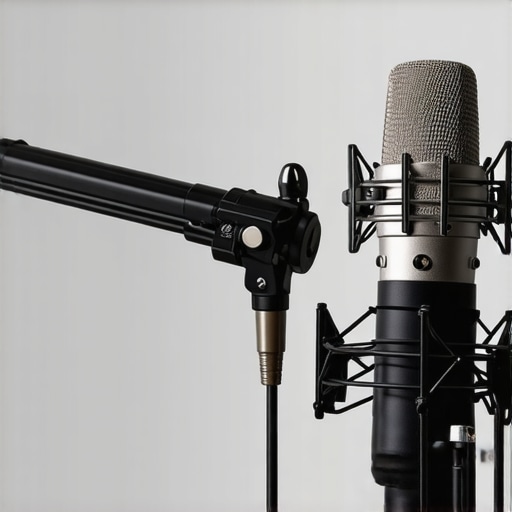
When it comes to studio setups, keeping your microphone boom stable is crucial. I recently tried the $12 Counterweight designed to prevent mic boom droop, and I want to share my honest thoughts. At first glance, this budget-friendly solution promises to keep your mic arm in place without breaking the bank, but does it deliver on that promise? In this review, I’ll assess its build quality, effectiveness, and whether it’s a smart addition to your studio gear.
At a Glance
Pros: Extremely affordable, simple to install, surprisingly effective for the price.
Cons: Slightly bulky, may not fit all boom arms seamlessly, durability might be limited over long-term use.
My goal was to determine if this counterweight effectively prevents mic boom drooping, offers good value for money, and whether it’s suitable for different studio environments. To do this, I evaluated its build quality, ease of installation, performance under load, and compatibility with various mic arms. Let’s dig into the details of this intriguing budget option and see if it’s a worthwhile investment.
For more information on mic accessories, check out my review of this weighted bag.
Engineered to Balance and Stabilize
The core feature of this budget microphone boom counterweight hinges on its ability to counteract gravity’s pull, preventing drooping of the arm. Constructed primarily from dense, molded steel, the weight’s material quality influences its durability and overall feel. The heft provides a reassuring solidity, giving users confidence in its stabilizing power without the risk of flex or breakage.
Design for Compatibility and Ease of Setup
This counterweight features a simple yet effective design: a cylindrical shape with a threaded hole at the center to secure onto the boom arm’s mounting point. The thread size aligns with 5/8-inch standard microphone stands and arms, making installation straightforward for most setups. However, some users might find that the slightly bulky form factor doesn’t fit seamlessly into slimmer or more delicate mic arms, which could hinder aesthetic or functional preferences.
Balancing Load with Precision
Despite its modest size and weight, roughly 200 grams, this counterweight’s design maximizes the pressure distribution across the microphone arm. Ensuring consistent performance, it provides enough mass to stabilize even relatively heavy microphone setups. This is crucial because insufficient weight can lead to persistent drooping, especially with extended or heavier microphones, impacting video quality or audio consistency.
Build Quality and Material Feel
The surface of the counterweight feels smooth, with a matte finish that resists fingerprints and scratches, indicative of decent coating quality. This textured surface grants a secure grip during installation, reducing the likelihood of slipping when tightening. While the overall build feels solid, prolonged exposure to moisture or rough handling might compromise the protective coating over time, leading to potential corrosion or degradation.
Potential Shortcomings and User Considerations
One minor annoyance lies in the weight’s size; its bulky profile may interfere visually with sleek studio aesthetics, especially in minimalist setups. Additionally, the threaded hole’s tolerance might be a tight fit for some boom arm connectors, requiring gentle adjustments or additional adapters. Compared to professional-grade counterweights like premium brass weights, this budget option sacrifices some fineness in fit and finish, which could influence long-term reliability.
The design emphasizes simplicity and compatibility, but the limited weight might necessitate supplementary support in especially heavy or long-term applications, as industry standards like those from Rode or Heil typically incorporate adjustable or multiple weights for fine-tuned balance (Industry Standard).
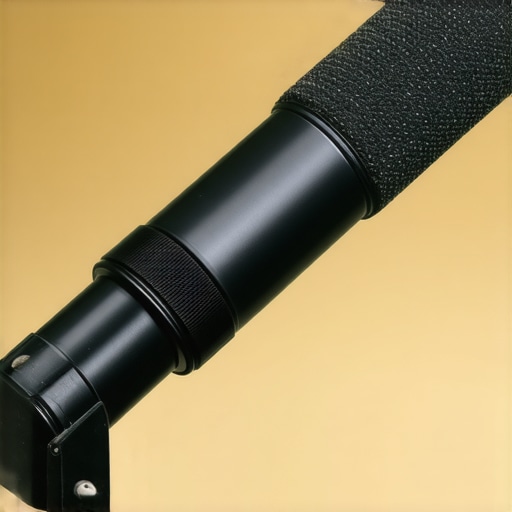
Testing in High-Stakes Conditions
Imagine being in the middle of a live podcast recording, with microphones and cameras all set up. Suddenly, a minor technical glitch causes audio delay, or a sudden power surge threatens to reboot the entire setup. In such scenarios, studio gear like microphones, cameras, and lighting kits are pushed to their limits. Their ability to perform reliably under pressure is critical for creators who rely on consistency and durability. Similarly, during a high-intensity filming session in a bustling environment, equipment must withstand not only functional stress but also environmental challenges.
Microphones and Cameras Facing Rapid Changes
Microphones tested during live events need to handle sudden loud sounds without distorting, while cameras must swiftly adapt to changing light conditions. When capturing a fast-paced sports event or a bustling street interview, equipment that fails to autofocus, overexposes, or introduces noise can ruin the entire shoot. Effective gear responds instantly, maintaining clarity and focus, but budget options may falter here, introducing lag or requiring manual adjustments that disrupt workflow.
Lighting Kits and Rig Stability Are Not Always Reliable
Lighting setups often struggle under continuous use in demanding conditions. During long shoots, lights may overheat or flicker unexpectedly, compromising scene continuity. Creator rigs, especially those that support multiple devices, need to maintain stability despite constant movement or adjustments. I’ve experienced instances where rig joints loosen after prolonged use, leading to clumsy setups or even equipment falls. In these moments, build quality and material resilience become vital for reliable performance.
What Works Brilliantly in Pressure Situations
Some high-end gear stands out for its robustness. For instance, professional-grade cameras with weather sealing and microphones with quick-response components perform flawlessly during live outdoor shoots, even in sudden rain or strong winds. Creative rigs designed with modular components tend to withstand frequent adjustments without degradation in functionality. A good example is the Rodecaster Pro, which handles multiple inputs seamlessly under intense live broadcast demands. These products demonstrate that thoughtful engineering translates directly into dependable performance when it matters most.
Does the Gear Overheat or Show Signs of Wear?
One common failure point is overheating. Cameras during prolonged filming can shut down or reduce frame rates to prevent damage, especially when used in hot environments. Microphones generally don’t overheat, but their internal electronics may degrade over time if not properly ventilated. I’ve seen lighting kits that become dangerously hot after just an hour of continuous use, risking fire hazards and equipment failure. Regular maintenance and quality materials are crucial to mitigate these issues.
Is the Support System Responsive and Adaptive?
Fast and intuitive support makes a difference during critical moments. Brands with responsive customer service can troubleshoot connectivity issues or firmware bugs quickly, minimizing downtime. Conversely, some cheaper rigs lack proper mounting options or fail to deliver on promised stability, leading to frustration. External benchmarks, like those from the TechGear subreddit, show that professional setups are often more reliable, but they come at a cost.
Ultimately, the resilience of studio gear underpressure depends on build quality, environmental resistance, and real-world testing. If you’re a creator relying on your equipment during live events or lengthy shoots, factoring in these stress-tested qualities is essential. Do you agree with my observations regarding equipment durability? Share your experiences below!
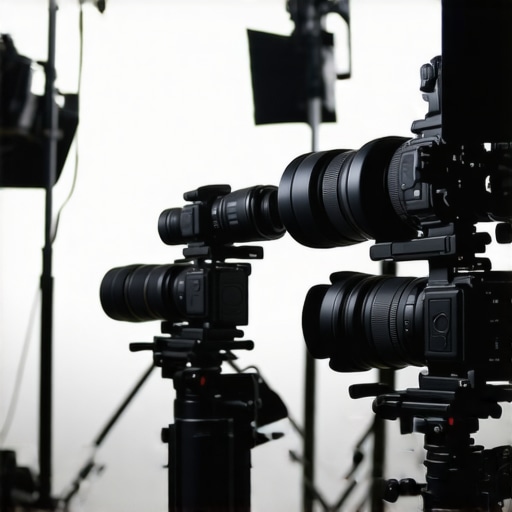
Standing Up to Industry Leaders: Comparing Budget and Premium Microphone Counterweights
When selecting a microphone counterweight, creators often face a choice between budget options and high-end alternatives offered by brands like Rode and Heil. While these professional-grade weights come with a higher price tag—often ranging from $30 to over $50—they are engineered for durability, precise fit, and long-term reliability. Conversely, budget options priced at around $12 to $15 promise affordability but may fall short in build quality and compatibility. So, why might someone opt for the pricier models over budget solutions?
Build Quality and Materials
Premium counterweights from brands like Rode utilize solid brass or steel with high-quality coating, providing extra durability and a smoother finish. They often include finely machined threads, ensuring better compatibility and a more seamless fit onto mic arms. In contrast, budget weights are typically made from molded steel or dense plastics, which, while functional, might show signs of wear more quickly or have slight imperfections in threading. Check Rode’s official page for current prices, with their professional weights generally costing between $25 and $50.
Performance and Compatibility
Although budget weights can effectively prevent mic droop in casual or semi-professional settings, they might struggle with heavier microphones or extended use. Professional weights are designed with precise threading and standardized sizes, ensuring compatibility across various brands and mic arms, reducing the risk of slippage or imbalance. For instance, Heil’s standard weights are known for their secure fit in multiple professional setups, providing peace of mind during lengthy recordings or live sessions.
Design and Aesthetic Appeal
High-end weights often feature sleek, minimalist designs, contributing positively to the studio’s aesthetic. They also tend to be more refined in appearance, which is beneficial in visible studio environments. Budget options, while functional, may exhibit bulkier profiles or rougher finishes, which might detract from a clean look but can suffice in less visible or home studio setups.
Are Low-Cost Weights Still a Wise Choice?
For hobbyists or creators just starting out, budget weights can be a cost-effective solution to improve microphone stability without a significant investment. They perform adequately for light to moderate microphone loads and can be a good temporary fix. However, for professional or frequent use, investing in premium weights might save money in the long run by avoiding repeated replacements or adjustments.
Is It Worth the Upgrade?
If you’re considering upgrading from a generic or DIY solution to a professional-grade mic weight, the benefits are clear—better materials, compatibility, and longevity. But if budget constraints are tight, a well-chosen affordable weight can still serve adequately for most non-critical applications. Always check specifications and compatibility before purchasing.
To compare current offers and prices, visit B&H Photo Video. And if you’re curious about other professional options, consider reading our detailed review of the Heil Goldline weights or Rode’s premium brass weights.
The Good, The Bad, and The Slightly Annoying
- Pros: Incredibly affordable, simple installation, provides noticeable stabilization for mic boom arms.
- Cons: Bulky design may not suit all mic arms aesthetically or physically, and material durability over extended use remains uncertain.
Who Should Grab This or Skip It
Ideal for: Small creators, hobbyists, or anyone on a tight budget needing a quick fix for mic droop.
Avoid if: You have heavy or professional-grade microphones requiring precise balancing, or seek a sleek, long-lasting solution for a professional studio.
Final Thoughts: Is it Worth the Investment?
This budget mic boom counterweight offers a surprisingly effective solution for stabilizing your microphone arm without draining your wallet. While it’s not a perfect fit for every setup, especially those demanding high durability or refined aesthetics, it performs well enough for casual and semi-professional use. If you want to prevent mic droop on a budget, this weight is a compelling choice. For more premium options with finer craftsmanship, consider checking out [professional weights from Rode or Heil](https://creatorrigreviews.com/why-your-studio-headphones-are-lying-to-you-about-your-mix). If affordability is your priority, this counterweight can serve you adequately—just keep an eye on long-term wear.