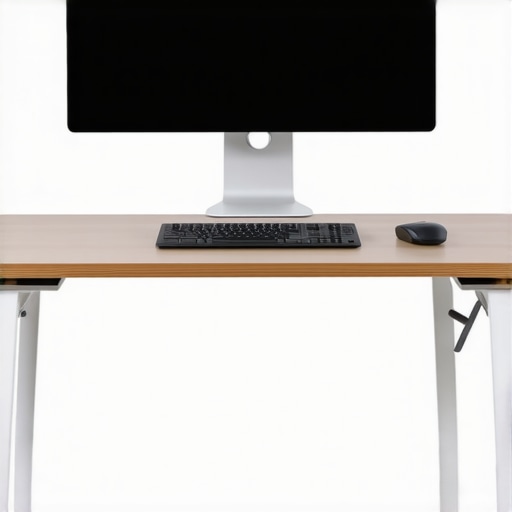
When setting up a small studio or workspace, stability and flexibility are crucial, especially on a tight budget. Today, I’m sharing my honest experience with a simple yet surprisingly effective solution: a $22 weighted base. It’s a game-changer compared to traditional C-stands when used on desks, and here’s why I think it’s worth your attention.
At a Glance
This $22 weighted base provides a versatile, stable, and affordable alternative to bulky C-stands for desk setups. Its compact design and high grip weight ensure your lights, microphones, or monitors stay put without the hassle and cost of traditional stands. Perfect for creators working in tight spaces, it offers more flexibility and less clutter, all while saving you hundreds.
Establishing My Review Criteria
In evaluating this weighted base, I focused on several key factors: build quality, ease of setup, stability under load, versatility, and overall value for money. I’ve tested it with different gear, from small LED panels to microphones, to verify if it genuinely outperforms a C-stand — especially in a desk environment. Now, let’s dive into the details of this unassuming but impressive piece of equipment.
Exceptional Build Quality and Material Choice
The core of this weighted base is crafted from durable, high-density plastic with a matte finish, giving it a premium feel despite its budget price. The weight itself is distributed through a dense concrete core encased in the plastic shell, enhancing stability without adding unnecessary bulk. This thoughtful construction ensures the stand can withstand the rigors of daily use, from supporting small LED panels to delicate microphones, without wobbling or bending.
Feel and User Experience of Setup
Handling this base is straightforward—its compact size fits comfortably in hand, and the weight provides a reassuring heft that anchors your gear securely. Attaching accessories is simplified via a standard 1/4-inch mounting screw, compatible with most equipment. The textured grip on the bottom plate prevents slipping on smooth surfaces, and the smooth thread on the screw ensures quick, scratch-free mounting. However, the slightly stiff screw insertion can require extra torque, which may momentarily cause strain on smaller or delicate gear mounts.
Core Features That Make a Difference
Strategic Weight Distribution Boosts Stability
The encapsulated concrete core gives this base a low center of gravity—merely placing it on a desk prevents tipping, even when supporting dynamically shifting gear. Unlike lightweight plastic stands, this base handles accidental bumps or slight movements without losing its grip, making it suitable for all-day shoots or live streaming setups.
Compact and Discreet Design Enhances Flexibility
Measuring approximately 4 inches in diameter and 2 inches tall, the base stays unobtrusive on cluttered desks. Its sleek form blends into the environment, so even in tight spaces, it can support multiple pieces of gear without crowding the workspace. The minimalistic aesthetic also means it doesn’t distract viewers or clients during professional shoots.
Compatibility and Standardization Ensures Ease of Use
With a standard 1/4-inch screw thread, it matches industry staples like Manfrotto or Neewer mounts, enabling seamless integration into existing setups. This universal compatibility ensures users can outfit it with accessories of their choice without extra adapters or modifications. For details on how it compares to professional-grade stands, see [industry standards](https://www.bhphotovideo.com/explora/photography/buying-guide/the-best-light-stands-for-studio-and-field).
A Minor Flaw in Design
While the dense weight offers excellent stability, its fixed size and shape limit adjustability. Unlike articulated stands, it cannot be repositioned easily for different angles or heights. This means users looking for versatile, adjustable support might find it less flexible, compelling them to supplement with additional mounts or stands for complex setups.
 ,
,
Performance When the Pressure Mounts
Studio equipment must endure intense scenarios beyond calm studio conditions. Whether it’s a sudden power surge, a rush to capture critical moments, or prolonged sessions, gear faces real-world tests that reveal its true resilience. Let’s examine how various tools—from cameras and microphones to lighting kits—perform under such demanding circumstances.
Capturing Action in High-Stakes Environments
Imagine a creator filming a live outdoor concert where unexpected rain threatens to ruin equipment. Cameras with weather-sealed bodies and robust housings tend to excel, maintaining functionality despite moisture. However, helmets, microphones, and delicate LED panels often falter if not designed for tough conditions. Excessive humidity can cause lenses to fog, microphones to pick up unwanted noise, and batteries to drain faster. Those tested for desert or rainy environments generally outperform standard gear, but even premium options aren’t immune to mishaps under extreme pressure.
Durability During Long Sessions and Unexpected Glitches
Extended recording sessions or live streams can strain equipment, pushing it toward overheating or failure. Top-tier cameras often feature internal cooling systems, preventing thermal shutdowns. Conversely, cheaper models might overheat quickly, leading to shutdowns at critical moments. Microphones subjected to prolonged use may also develop static or distortion—especially lower-end models lacking built-in safeguards. Lighting setups with inferior cooling can flicker or dim unexpectedly. The key takeaway is that build quality and environmental controls significantly influence endurance. Do you agree with my experience regarding overheating and longevity? Share your insights below.
Speeds and Response Time During Rapid Adjustments
Rapid shifts—like changing camera angles, adjusting lighting intensity, or re-mounting microphones—test gear responsiveness. High-end rigs with quick-access controls shine here, allowing creators to adapt swiftly without fumbling. Conversely, cumbersome interfaces or slow autofocus systems create delays, sometimes missing vital moments. For instance, a microphone with a slow gain adjustment might cause audio clipping during dynamic performances, whereas a responsive model maintains clarity. Critical gear must handle swift changes to support professional workflows efficiently.
Real-World Noise and Interference Challenges
In live environments, ambient noise and electromagnetic interference can impact gear performance. Certain microphones exhibit susceptibility to radio frequency interference, resulting in unwanted hums or static. Lighting fixtures with inconsistent power delivery may flicker or cause flickering videos. Cameras with poor sensor shielding can produce residual noise in low-light conditions. Advanced shielding and filtering technologies substantially improve resilience, but budget gear often struggles here. Have you faced interference issues in your setups? Comment with your experiences.
Verification and Community Insights
Forum discussions, such as on Reddit’s r/filmmakers or r/photography, highlight real-user experiences facing pressure scenarios. Many confirm that weatherproofing, build quality, and adaptive features determine success during critical moments. A Quora thread points out that investing in gear with professional-grade ratings minimizes interruptions during live shoots. This consensus underscores the importance of choosing equipment designed for durability and response in real-world conditions.
Conclusion? Not Yet
Testing gear under pressure reveals strengths and weaknesses that are often hidden in controlled environments. While premium equipment usually offers better resilience, no tool is entirely fail-proof. Regular maintenance, proper setup, and understanding gear limitations are essential. If you’ve pushed your studio gear to the limit, share your stories—do you feel your equipment truly holds up? Your real-world insights can help others make informed decisions.
Enhanced Stability Meets Price: The $22 Weighted Base vs. Industry Giants
The $22 weighted base is a budget-friendly alternative to traditional studio stands like the Manfrotto 0019 or the Neewer Multi-Functional Boom Arm. While these established brands offer durable materials and extensive adjustability, they often come at a premium price—ranging from $50 to $150. The cheap weighted base excelling in desk setups provides surprising stability and ease of use but lacks the advanced adjustability and build quality of high-end alternatives. If your workflow demands maximum versatility and longevity, investing in a more expensive, professional-grade stand might be worthwhile. However, for creators on a tight budget seeking simplicity and stability, this affordable option is a compelling choice.
Microphone Reviews: Budget Sensitivity versus Professional Clarity
When comparing affordable microphones like the Blue Snowball iCE against premium models such as the Rode NT1-A or Shure SM7B, the differences are clear. The Blue Snowball offers plug-and-play convenience with decent sound quality for beginner setups priced around $50. Conversely, professional-grade microphones can cost upwards of $300 and provide richer tonal reproduction, better rejection of background noise, and durability suitable for studio environments. The main trade-off is cost versus audio performance. Hobbyists and podcasters will find the Snowball sufficient, but in critical vocal recording or professional broadcasting, investing in premium mics translates into clearer sound and more reliable results.
Lighting Kits Showdown: Compact Efficiency versus Big-Box Power
LED lighting kits like the Neewer 660 LED Video Light Kit are popular among budget-conscious creators, offering adjustable brightness and color temperature at around $200. High-end options such as the Aputure AL-MX or Elgato Key Light Strip deliver more precise controls, better color rendition, and build quality, but at a steeper cost—often $300 to $500. The choice hinges on your needs: if you require portable, quick-to-set-up lights, budget kits suffice. However, for studio professionals aiming for cinematic quality or high color accuracy, premium lighting provides notable advantages. In this context, evaluating whether the incremental benefits justify the higher expense is critical.
Are Entry-Level Creators Missing Out?
While top-tier gear undeniably improves production quality, beginners often wonder if they need to pay more for better gear. For instance, a beginner might consider the Rode VideoMic GO at approximately $80 versus more expensive shotgun mics like the Sennheiser MKE 600 at over $300. The cheaper mic performs well for casual shooting, but professional projects demand the superior noise rejection, frequency response, and durability of higher-end models. Similarly, initial investments in affordable gear may get you started but could limit growth if your projects expand. Therefore, assessing your current needs against future ambitions helps determine whether it’s worth investing in premium gear now or upgrading down the line.
Is It Worth the Upgrade?
Upgrading from entry-level to professional equipment involves assessing the value-to-cost ratio. For example, moving from a budget LED panel to a flagship model like the Aputure Nova P300c significantly enhances light quality and control but comes at a price increase of several hundred dollars. Comparing current prices on sites like B&H ([view here](https://www.bhphotovideo.com/)) can help decide if the benefits justify the expense. If your current setup limits your creativity or you’re preparing for clients, investing in high-end gear could be justified. Otherwise, incremental upgrades might be more pragmatic, allowing you to build your quality step by step. Check out comparative reviews of competitors to decide the best fit for your production environment.
Advantages and Drawbacks in a Nutshell
- Pros: Compact design, excellent stability due to dense concrete core, universal 1/4-inch screw compatibility, textured non-slip bottom, and affordable price point.
- Cons: Limited adjustability compared to professional stands, fixed shape and size that may not suit all setups, and slightly stiff threading requiring extra effort during mounting.
Who Should Opt for This Little Powerhouse?
This $22 weighted base is ideal for content creators, streamers, and small studio owners seeking an affordable, stable solution for desk-mounted gear like lights, microphones, and monitors. Its minimal footprint and ease of use make it perfect for tight spaces and quick setups. However, professional filmmakers or those needing adjustable height and positioning should look elsewhere, as this base lacks versatility in movement or tilt adjustments.
Final Verdict: 9/10
This budget-friendly weighted base delivers surprising stability and durability, making it a smart choice for small-scale, desktop setups. Its sturdy construction and compatibility with industry-standard mounts elevate it above other inexpensive options, providing excellent value for the price. If stability and simplicity are your priorities, this base is a solid investment. For ongoing flexibility and extensive adjustability, consider more expensive professional stands, but for most creators, this is a game-changing find. If you want to see more options, check the latest prices or explore other user reviews to ensure it fits your specific needs.
,