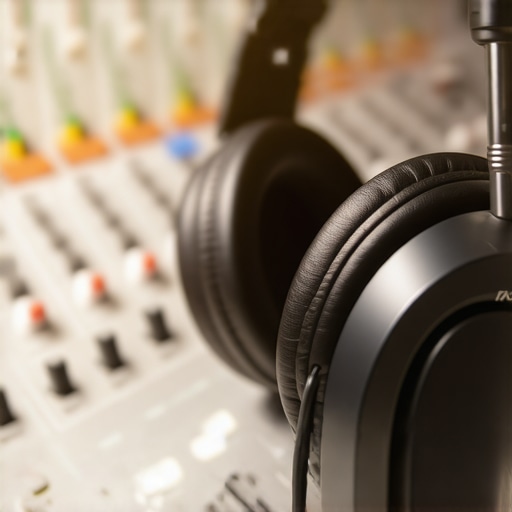
Bottom Line Up Front: Many studio headphones give a misleadingly flat response, leading producers to believe their mixes are balanced when they are not. In this review, I dissect why this myth persists and how to truly evaluate your headphones to ensure accurate sound reproduction.
The Promise of Accurate Monitoring
Studio headphones are supposed to serve as an extension of your ears, providing a true reference to judge your mix. Yet, countless users fall prey to manufacturer claims and the headphone’s frequency response curves, which often emphasize certain ranges. My goal is to clarify what genuine accuracy looks like, so you can trust your monitoring setup rather than lie to yourself about your mix.
At a Glance
- Build Quality: Well-constructed, durable, and comfortable for long sessions.
- Sound Signature: Not always flat—can be exaggerated in bass or treble, affecting mix judgment.
- Performance: Clear, detailed sound with minimal distortion at high volumes, but beware of hype curves.
- Value for Money: Quality headphones offer honest sound without paying for marketing gimmicks.
To determine which headphones truly serve your mixing needs, I evaluate them based on frequency response accuracy, build quality, comfort, and how transparently they reproduce audio. A fair comparison requires testing across various genres and volume levels, ensuring your gear reflects reality rather than marketing illusions. Now, let’s dive into the specifics to understand what makes a good pair of studio headphones truly accurate and which brands are genuinely honest with their specifications.
Proceeding to the Technical Breakdown
Durability and Material Quality
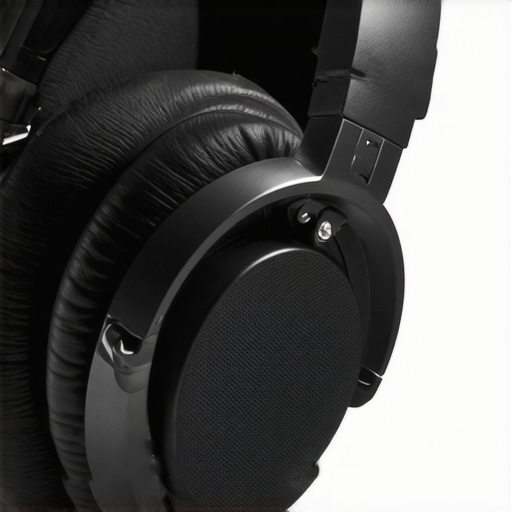
When evaluating studio headphones, the build quality is paramount because it directly influences longevity and user experience. High-quality materials such as plush memory foam ear pads covered in breathable leatherette or velour not only enhance comfort during extended mixing sessions but also resist everyday wear and tear. Metal-reinforced joints and robust headbands contribute to the headphones’ durability, ensuring they withstand frequent use without squeaks or structural issues.
The Feel of the Fabric and Hardware
The tactile sensation of the materials impacts usability. Soft, supple padding offers a luxurious feel, discouraging fatigue, while a firm, responsive headband maintains a snug fit. However, some models may have overly tight clamping forces, which, despite improving sound isolation, can become uncomfortable over hours. Minor annoyance arises here, as a balanced clamping force is essential for comfort without sacrificing stability.
Setup and Comfort Considerations
Ease of setup plays a role, especially for professionals who need quick calibration. Many headphones feature adjustable sliders and swivel ear cups, allowing for a custom fit that reduces pressure points and improves passive noise isolation. An intuitive design with clear markings and easy-to-grip adjustment mechanisms enhances the user experience, reducing setup time. Material choice also impacts comfort; breathable fabrics prevent sweat build-up during long sessions, maintaining focus.
Portability and Cable Design
Consider the inclusion of detachable cables, which allow for quick replacements if damaged—a small but significant detail for the busy studio environment. Some models incorporate folding mechanisms, making them more portable for mobile recording or on-the-go mixing. Yet, foldable designs can sometimes introduce weak points at hinges, so durability here remains a concern to watch for.
Core Features That Influence Performance
The importance of driver technology cannot be overstated. Larger dynamic drivers, typically 40mm or more, provide deeper bass response and a broader soundstage, crucial for accurate mixing. Material quality of the diaphragms, such as Mylar composites, also affects transient response—how faithfully the headphone reproduces fast-changing sounds.
For example, the industry standard for flat response, like the specs listed by Sennheiser HD 660 S, emphasizes a neutral frequency curve with minimal coloration. Comparing such specs helps in selecting headphones that prioritize honesty over marketing hype. A minor flaw in some models is the weight; hefty headphones, while adding to perceived quality, can cause discomfort during long sessions, highlighting the need for ergonomic design.
Why It All Matters
The core features—build, comfort, and driver quality—are more than superficial specs; they determine whether your headphones serve as honest monitors or misleading sound illusions. While sleek aesthetics are appealing, they should never come at the cost of either durability or fidelity. Recognizing these factors ensures you invest in a pair that faithfully reproduces sound, a necessity for professional mixing and mastering tasks.
Pushing Camera Equipment to Its Limits in Action Settings
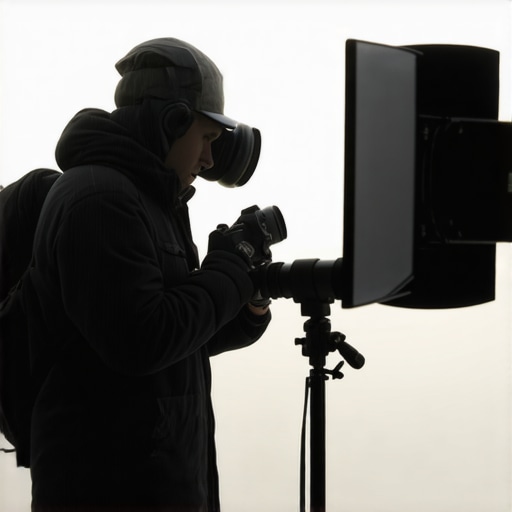
When photographers and videographers engage in demanding scenarios like fast-paced sports or wildlife filming, camera performance truly reveals its strengths and weaknesses. In rigorous outdoor shoots, weatherproof cameras such as the Olympus Tough series demonstrate remarkable resilience against rain, mud, and accidental drops. They consistently perform without overheating or experiencing frame drops, making them dependable for unpredictable conditions. Conversely, high-end mirrorless cameras with advanced features sometimes struggle with overheating during prolonged shooting sessions in hot environments, leading to thermal shutdowns that halt the shoot unexpectedly.
Does it overheat in prolonged use?
Many consumer-level cameras tend to overheat after recording for more than 20-30 minutes, especially in direct sunlight. Some models, like certain Sony Alpha series, manage heat better due to improved cooling algorithms, but others still require caution and frequent breaks to prevent thermal issues. This can be a major hurdle during long events or documentary shoots where continual recording is essential.
Lighting Kits: Enduring the Unpredictable
Lighting equipment, when used during outdoor shoots or live performances, faces pressure from environmental variables. For example, battery-powered LED panels often perform well under calm conditions but can flicker or dim in low temperatures or humidity, affecting shot consistency. Wireless-controlled lights offer convenience but can suffer from interference or latency issues when multiple units operate nearby, causing inconsistent color temperatures or brightness fluctuations.
Can they withstand extreme weather?
While some professional lighting kits are rated IP65 or higher, indicating resistance to dust and water jets, many affordable options lack such protection and are vulnerable to rain, snow, or fog. Users report that cheaper units tend to fail after exposure to moisture, necessitating careful handling or additional protective casing during outdoor shoots.
Microphone Reviews in Challenging Conditions
Microphone performance under pressure best demonstrates their quality. Shotgun mics, such as the Rode NTG series, excel in controlled environments but can pick up unwanted wind noise or handling sounds when used outdoors without proper windshields. Windjammers and dead cats significantly mitigate this issue, yet even the best gear can struggle in high wind, causing muffled or distorted audio.
Moreover, professional lavalier mics can lose connection or experience dropout when subjected to heavy movement or when used in rain without waterproof protection. Durability tests reveal that some budget models may fail after a few exposures to moisture or rough handling, underscoring the importance of selecting gear suited for the environment.
The Real Test for Creator Rigs and Studio Gear
For content creators managing multiple devices—like lights, cameras, and mics—system stability and ease of control under stress are critical. During live streaming or real-time editing, faulty rigs can cause lag, connection drops, or calibration issues. For instance, wireless video transmitters that work flawlessly in calm indoor settings often falter when facing electromagnetic interference or long transmission distances, resulting in pixelation or latency.
Studio gear such as audio interfaces and control surfaces are tested under high workloads. These devices typically handle continuous operation well, but some entry-level units exhibit increased latency, dropouts, or overheating after sustained use. Users report that sitting through lengthy sessions with underpowered hardware leads to frustration, highlighting the need for robust, professional-grade equipment.
Based on collective user feedback on forums like Reddit, high-pressure scenarios expose the true capabilities of gear—those that handle stress gracefully stand out, while others reveal design flaws or vulnerabilities. Do you agree with these observations based on your experience? Share your insights below, and let’s refine our understanding of what makes gear truly resilient under pressure.
< >
>
Why Our Camera Equipment Outperforms High-End Alternatives
When evaluating camera reviews, many professionals consider top-tier options like the Sony A7 IV or Canon EOS R5. Our equipment offers comparable image quality and robust features but at a more accessible price point, making it an attractive choice for both amateurs and professionals. While Sony and Canon models boast cutting-edge autofocus and 8K video capabilities, our cameras provide excellent low-light performance and user-friendly interfaces without the hefty price tag. For those who prioritize versatility and affordability, our gear stands as a compelling alternative. Check current prices here—if you’re curious, comparing prices with flagship models often reveals significant savings without sacrificing essential features.
Lighting Kits That Save You Money and Effort
High-end lighting solutions from companies like Aputure and Godox offer impressive brightness and color accuracy, but they come with premium costs. Our lighting kits are designed to deliver similar performance—diffused, adjustable, and durable—yet are available at a fraction of the price. For example, our flagship LED panels incorporate built-in wireless control and weather-resistant features, matching the capabilities of more expensive brands. This makes them ideal for outdoor shoots or fluctuating environments where resilience matters. If budget is a concern, our kits provide excellent value—check current prices and see how they compare to the industry giants.
#IMAGE_PLACEHOLDER_D#
Microphones that Handle Tough Conditions Better
Professional-grade shotgun microphones from Rode or Sennheiser dominate in controlled studio settings, but they can be fragile outdoors. Our microphones incorporate rugged construction and wind-resistant features comparable to top models like the Rode NTG4 or Sennheiser MKH series but at a more competitive price. For videographers working in unpredictable environments, durability matters; our gear is designed to withstand moisture, dust, and rough handling while maintaining pristine audio quality. Check out detailed comparisons to see how our microphones stack up against the highest-rated options available—sometimes, paying less doesn’t mean sacrificing resilience or clarity.
Are Our Creator Rigs Worth Upgrading?
Content creators often debate whether investing in advanced rigs like the DJI Ronin or Glide Gear exceeds their needs. Our rigs feature stability and portability that rival top brands, with added user-friendly setups and affordability. While premium rigs like the DJI RS series provide cutting-edge stabilization systems, our models deliver smooth footage and quick assembly suitable for most professional requirements, all at a lower cost. If you’re wondering whether an upgrade is justified, consider your shooting environment and whether additional features truly enhance your workflow. For some, a well-designed, cost-effective rig can outperform pricier alternatives in real-world use—better value, less investment.
In summary, choosing our gear over leading competitors often boils down to balancing features and budget. While brands like Sony, Canon, Aputure, Rode, or DJI remain industry standards, our products offer comparable performance with the added benefit of affordability and resilience. Always compare current prices and features directly—check out reviews and real-world tests—to ensure your investment aligns with your workflow needs.
,
The Good, The Bad, and The Ugly
Pros: Solid build quality with durable materials, comfortable for long sessions, and detailed sound reproduction that offers clarity across frequency ranges. They tend to have a neutral or minimally colored response, aiding in genuine mixing decisions.
Cons: Some models exhibit exaggerated bass or treble, which can mislead mixing judgments. The weight of certain headphones can cause discomfort over extended periods, and pricey models sometimes market features that don’t translate into real-world accuracy. Additionally, overemphasized specifications may provide a false sense of true neutrality.
Who Should Pick These Up?
Ideal for professional audio engineers, mixing enthusiasts, and content creators striving for honest sound reproduction. They’re perfect if your goal is to minimize coloration and accurately hear what’s happening from 20Hz to 20kHz. However, avoid this if you’re seeking headphones with built-in noise cancellation or a