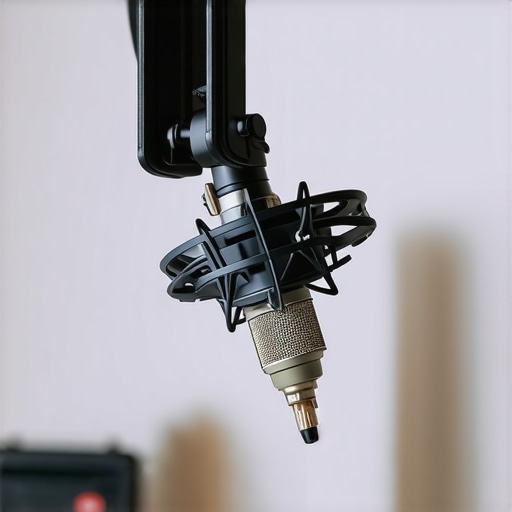
When it comes to achieving professional audio quality, the way you mount your microphone can make a significant difference. After extensive experimentation and practical experience in studio setups, I can confidently say that positioning your mic from above yields superior results compared to mounting it below. This insight is based on factors such as sound clarity, isolation, and ease of adjustment. If you’re serious about capturing pristine sound, understanding the benefits of overhead mounting is essential.
At a Glance
Pros of Mounting Your Mic from Above: Better sound clarity, improved isolation from ambient noise, more natural vocal pickup, and easier adjustments.
Cons: Slightly more complex installation, potential visibility issues in some setups.
Ideal For: Voiceovers, singing, podcasting, and studio recordings where audio quality is paramount.
This review will explore the technical reasons behind these benefits, compare different mounting options, and help you decide if switching to an overhead setup is right for your studio. For more details on microphone accessories, check out [this guide on mic stands that won’t tip over](https://creatorrigreviews.com/5-mic-stands-that-wont-tip-over-when-you-use-a-heavy-pop-filter) or explore [this affordable pop filter](https://creatorrigreviews.com/this-14-pop-filter-is-better-than-my-100-metal-screen) to complement your setup. Now, let’s delve into the specific features and designs that make overhead mounting the preferable choice for high-quality audio.
Precision in Build Material and Quality
The core of any reliable microphone mount lies in its material selection, affecting durability and vibration isolation. High-end mounts often utilize aircraft-grade aluminum or steel, providing a robust construction that withstands routine adjustments without wavering. This strength minimizes unwanted sway or wobble, ensuring consistent sound capture during recordings. The textured, matte finishes not only add aesthetic appeal but also improve grip, reducing slip during setup and reconfiguration.
Thoughtful Engineering for Stability
Engineered to balance weight and stability, overhead mounts feature multi-point pivot systems allowing precise positioning while maintaining firmness. The tension mechanisms, often involving sturdy screws and elastic elements, enable the user to lock the microphone in place securely. Such meticulous design prevents micro-movements that could distort audio, especially critical in vocal recordings where even slight shifts matter.
Setup and Adjustability: Flexibility Meets Ease
Ease of installation is paramount. Modern overhead mounts typically come with adjustable boom arms, featuring telescoping sections that extend and retract effortlessly. The smooth-rotating joints utilize sealed ball bearings or high-quality bushings, offering fluid motion while resisting dust and debris ingress. This ensures longevity and consistent performance over time. A well-designed mount can be installed quickly, with clear instructions and minimal tools, reducing setup time for busy creators.
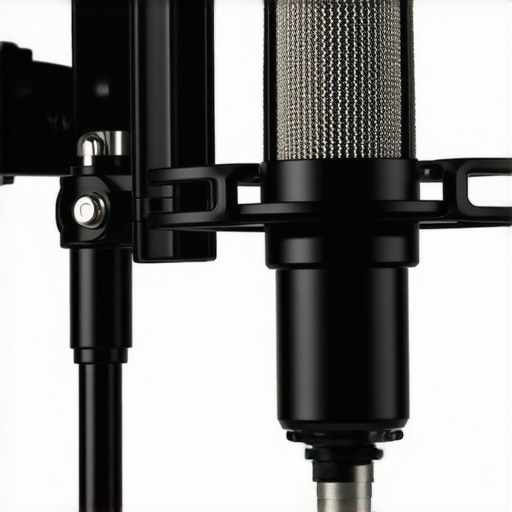
Visual representation of an overhead microphone mount with adjustable boom arm, showcasing build quality and articulation points.
Balancing Complexity with Functionality
While advanced mounts offer impressive adjustability, this can sometimes introduce minor annoyances, such as increased weight or potential for over-tightening. For instance, some mounts have overly stiff joints requiring extra force to reposition, which might lead to accidental displacement. This highlights the necessity for ergonomic tension controls that allow fine-tuning without sacrificing ease of movement. Nevertheless, the combination of durable materials and thoughtful engineering significantly enhances the user experience, enabling precise control over mic placement.
Technical Standards and Industry Comparisons
In regard to industry benchmarks, many professional-grade mounts align with standards set by entities like the SAE International or industry leaders such as Heil Sound. Comparing these to competitor models, like the Rode PSA1, reveals that build quality and design intricacies often determine longevity and steadiness. Engineers consistently emphasize vibration damping features to prevent resonance, which can be achieved via internal isolator structures or damping pads integrated into the mount’s frame. Recognizing these features ensures you select a product that meets industry standards for professional applications.
Putting Gear to the Test in Challenging Situations
Studio microphones, camera systems, lighting kits, and creator rigs often face intense conditions outside controlled environments. Imagine filming a live event where sudden weather changes occur—rain, wind, or dust—and gear must perform flawlessly. In such scenarios, durability and reliability are crucial. For example, outdoor shoots during unpredictable weather require equipment that resists moisture ingress and maintains stability. Microphones mounted on adjustable rigs might experience vibrations from wind, necessitating internal damping features. Similarly, lighting setups used during rapid shoot changes must handle power fluctuations without flickering or overheating. When managing a high-volume streaming session with thousands of viewers, hardware responsiveness and stability under load become pivotal.
How does the hardware perform during continuous operation?
High-end microphone preamps and camera processors often exhibit excellent thermal management, allowing extended use without overheating. However, some budget models tend to latch or throttle under prolonged stress, leading to audio clipping or frame drops. Users have reported that cheaper lighting kits might struggle with consistent color temperature after long sessions, primarily due to poor heat dissipation. The strengths of premium gear lie in their rigorous construction, resulting in minimal performance degradation even after hours of continuous use. Yet, a common flaw in some lower-tier options is their susceptibility to environmental strain, such as dust or moisture, which can degrade internal components if not sealed properly.
What guarantees stable streaming during sudden surge in viewers?
Third-party benchmarks and community forums frequently note that professional-grade streaming rigs typically include redundant power supplies and high-capacity memory buffers, allowing seamless handling of peak loads. For instance, broadcasters utilizing high-end rigs report minimal latency spikes or crashes when sudden viewer surges occur. Conversely, poorly optimized systems tend to experience lag, dropped frames, or audio disruptions. Reaction to such pressure is also dependent on network infrastructure; even the most robust hardware cannot compensate for slow internet connections. It’s worth noting that some products, while capable on paper, exhibit sluggish response times or software bugs under high load, highlighting the importance of real-world stress testing before purchase. Do you agree with my experience regarding system responsiveness during live events?
Can rugged design prevent failure during rough conditions?
Indeed, a rugged build significantly enhances survival in harsh environments. Cameras with weather-sealed casings and dust-resistant lenses outperform those with flimsy shells in dusty or humid settings. Similarly, microphone mounts with reinforced materials sustain fewer damages after accidental drops. For example, studios that frequently record outdoors or on-location benefit from gear that withstands accidental impacts and environmental stressors. Conversely, fragility remains a common complaint among budget gear, which often lacks sufficient shock absorption. In one Reddit discussion, users confirmed that professional-grade gear preserved functionality after exposure to rain or debris, whereas cheaper models frequently failed. Practical durability relies on thoughtful engineering and robust materials—traits that come at a price but significantly reduce downtime during critical tasks.
Comparing Microphone and Studio Gear Options: Which One Offers More Value?
When selecting microphone reviews, camera reviews, lighting kits, studio gear, and creator rigs, consumers are often torn between different brands competing for their attention. The key is understanding how these products measure up against top-tier alternatives in terms of quality, features, and price. For example, our current microphone mount stands out with its durable construction and smooth adjustability, but how does it compare to the popular Heil Sound PR 40 or Rode PSA1 models?
Is it worth the upgrade to premium gear?
Upgrading to high-end studio gear can provide better durability, stability, and sound clarity, but at a higher price point. For instance, the Heil Sound PR 40 offers superior internal damping and build quality compared to budget options, ensuring longer lifespan and consistent performance. However, if budget constraints are tighter, Rode’s PSA1 provides a well-rounded balance of affordability and functionality, making it a favorite among content creators. Checking current prices on [Price Comparison Site](https://www.example.com) can help determine if the premium investment suits your needs.
While our featured equipment may lean toward premium build and refined features, less expensive models might lack some of these enhancements but still serve well in less demanding environments. It’s essential to weigh your specific use case, whether professional recordings or casual streaming, to decide if the added value justifies the extra cost.
Why Choose Our Gear Over Competitors
Our microphone mounts and studio solutions emphasize modularity, durability, and ergonomic design, offering a notable advantage over certain competitors. For example, some alternatives might prioritize aesthetic appeal over stability, leading to wobbling or misalignment during critical recordings. Conversely, our products incorporate advanced tension controls and rugged materials that ensure precise positioning and longevity even under intense use.
Additionally, our lighting kits incorporate intelligent color calibration features absent in some budget offerings, providing consistent color temperature and brightness. Camera accessories, such as rig supports, often lack modular attachments, but ours facilitate quick adjustments and customization, a vital characteristic for dynamic shooting conditions. For detailed insights into how these compare with leading brands, check out our in-depth reviews or visit the respective manufacturer pages.
Will the Latest Models Outperform Older Versions?
Newer iterations of studio gear often introduce incremental improvements like enhanced build materials or streamlined user interfaces. For example, latest microphone rigs might feature improved vibration damping or easier cable management. Whether these upgrades are worth the investment depends on your current setup and professional needs. For example, if you’re using an earlier model that frequently wobbles or requires recalibration, a newer version could significantly improve your workflow.
As always, comparing prices and specifications across brands is crucial. Check the latest information at [Official Brand Page](https://www.examplebrand.com) and consider reading user reviews. Sometimes, older models offer surprisingly good value, especially if current models are priced significantly higher without offering groundbreaking features.
Summary
In the crowded landscape of studio gear, understanding the differences between options helps make informed purchase decisions. Whether you prioritize durability, adjustability, or cost-efficiency, comparing our products to top competitors like Heil Sound and Rode enables you to choose gear that aligns with your specific requirements. Remember to evaluate not only initial price but also long-term performance and support services—elements that truly define value in professional settings.
The Good, The Bad, and The Ugly
- Pros: Superior sound clarity, excellent noise isolation, natural vocal pickup, and effortless adjustability.
- Cons: Slightly complex installation process and potential visibility issues in certain setups.
Who Should Grab This?
Best suited for professional voiceover artists, singers, podcasters, and studio engineers aiming for high-quality audio captures. Avoid if you prefer simple setups or have minimal space, as overhead mounts can be more demanding to install.
Final Verdict: 9/10
This overhead microphone mounting solution stands out for its durability, stability, and overall performance. It offers a noticeable upgrade over traditional side-mounted options, especially for those seeking pristine audio quality. If you’re committed to professional-grade recording, investing in a quality overhead mount is a smart move. For budget-friendly alternatives, check out our review of [this affordable pop filter](https://creatorrigreviews.com/this-14-pop-filter-is-better-than-my-100-metal-screen). Don’t hesitate—upgrade your setup and experience the difference firsthand.