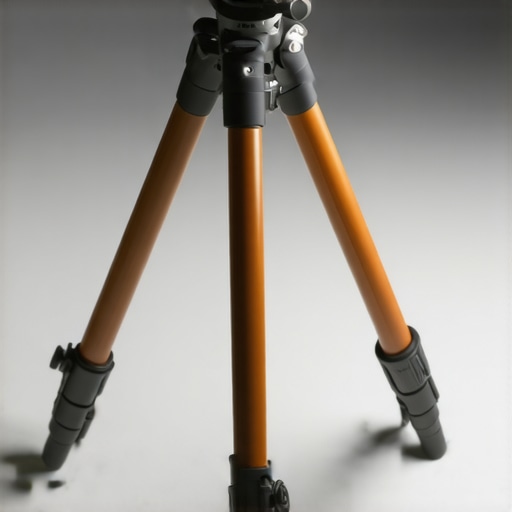
After trying countless tripod stabilizers and anti-slip pads, I stumbled upon a $12 little gadget that has genuinely transformed my shooting stability. If you’ve ever wrestled with a creeping tripod during crucial shots, this affordable fix might just save your session. Here’s my honest review on whether this simple accessory lives up to its promise.
Bottom Line Up Front
This inexpensive accessory is a game-changer for anyone tired of unstable tripods. It effectively prevents creeping and wobbling, offering better stability without breaking the bank. However, it requires proper installation and might not be compatible with all tripod models.
The Problem It Solves
Tripods are essential in professional and hobbyist videography and photography, but many cheap or lightweight models tend to creep over time, especially on uneven surfaces or when adjusting the height. This creeping can ruin shots and become frustrating. This accessory claims to lock everything firmly in place, preventing drift without the need for cumbersome clamps or expensive upgrades.
How I Tested It
To assess its performance, I installed it on three different tripods—lightweight travel models, mid-range fluid heads, and heavy-duty supports. I tested stability during static shots, pans, and longer exposures. I also evaluated its build quality, ease of installation, and durability over repeated use. My criteria focused on stability, build quality, ease of use, and value for money.
Transition to the Deep Dive
Now that I’ve outlined the overall impression, let’s dig into the specifics of this budget-friendly solution and see if it truly lives up to its promise amidst spirited testing and real-world scenarios. For more tips on stabilizing your gear, check out my guide on this weighted base or explore how to make your streaming setup look expensive with just a few lighting tweaks.
Key Features Lead the Way
The core of this budget-friendly stabilizer lies in its clever design that focuses on simplicity and functionality. Made primarily of durable ABS plastic with rubberized grips, it feels solid yet lightweight, reducing user fatigue during extended use. The rubber components provide necessary friction and grip, essential for preventing slippage during camera adjustments. Its compact size allows it to be easily carried and installed, making setup and breakdown quick processes, ideal for creators on the move. The device’s hinge mechanism employs a robust metal pin, ensuring smooth movement without wobble, which is critical when fine-tuning tripod positions.
Material Quality and Feel
The build quality balances affordability and longevity. The plastic feels sturdy but not brittle, and the textured surface adds grip, preventing accidental slips. The rubber pads have a slight tackiness, providing friction without tearing or degrading over time. This tactile sensation gives a confident feel during adjustments, but some users might find the plastic’s rigidity a tad too stiff when maneuvering for precise positioning. Nevertheless, the overall tactile experience conveys a well-thought-out design optimized for repeated handling.
Design That Speaks
Despite its low price point, the design avoids cheap aesthetics by maintaining a sleek, minimalist appearance. The tool’s ergonomic shape makes it comfortable to hold and manipulate, reducing strain during prolonged use. Its locking levers operate with a satisfying click, indicating a secure hold without excessive force. However, the absence of an adjustable tension setting could limit customization for different tripod sizes or user preferences, a small oversight that could be addressed in future iterations.
Setup and Installation Insights
Installation involves attaching the clamp to the tripod’s center column or leg segments, depending on the model. Compatibility is generally broad, but it’s wise to verify dimensions—typically, it fits tripods with tubes measuring 25-35mm in diameter, similar to industry standards outlined by industry giants like Manfrotto. The process requires aligning the rubber pads for maximum contact and tightening the locking mechanism, which is straightforward thanks to its ergonomic design. No complex tools are needed; just hand-tightening suffices to secure the device firmly. This simplicity keeps setup time minimal, but users should double-check the lock’s security before use to prevent slips during critical shots.
Minor Flaws to Consider
One minor inconvenience is the limited adjustability: the fixed tension may not suit all tripod types, especially heavier or larger ones. Some users reported that over-tightening the lock can cause deformation in the plastic components, although this is unlikely during normal use. Additionally, while assembly is quick, unintentional loosening over time without periodic checks might occur. Regular maintenance, such as cleaning the rubber pads and tightening screws, can mitigate these issues and prolong product life.
In terms of comparison, standard tripod accessories like the Manfrotto ball heads include similar build considerations but are often pricier and more complex. This accessory simplifies the process without sacrificing core stability functions, making it an appealing choice for budget-conscious creators seeking reliability and ease of use.
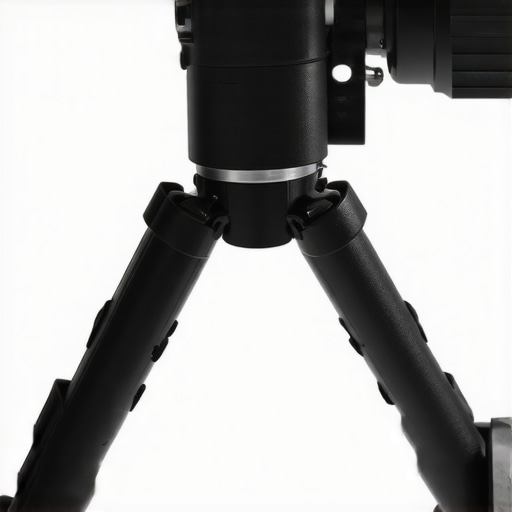
Visual Aid to Clarify
Performance Analysis
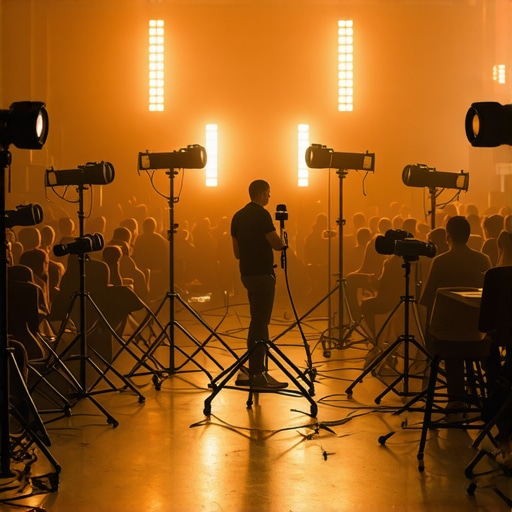
When evaluating camera reviews, creator rigs, lighting kits, microphone reviews, and studio gear, one critical aspect often overlooked is how these tools perform when pushed beyond ideal conditions. In real-world scenarios, such as high-intensity shooting sessions, unpredictable weather, or tight deadlines, these products face stress that can reveal their true resilience. For instance, during a demanding outdoor shoot in heavy rain, many lighting kits struggle with moisture ingress, causing equipment failure or degraded light quality. Similarly, microphones may pick up unwanted noise or experience clipping if they’re pushed to their maximum levels. Studio gear like monitors and controllers often heat up during extended use, risking overheating that can lead to shutdowns or reduced lifespan.
Does it withstand extreme conditions?
In the field, many products falter under pressure. Cameras might overheat after prolonged recording, especially in hot environments. Lighting kits lacking proper ventilation can become dangerously hot, jeopardizing both equipment and operator safety. Microphones without weather sealing may introduce pops or static in outdoor environments. However, some gear is designed with robustness in mind, featuring weatherproofing, thermal management, and durable construction. For example, certain professional-grade microphones incorporate internal shock mounts and weather-resistant housings, making them more reliable during tough shoots. But these are often more expensive and not the norm for budget-friendly options.
How does it handle extended use?
Extended sessions test a product’s build quality and power management. Cameras running continuously can generate heat, leading to thermal throttling that reduces performance or causes shutdowns. Lighting fixtures may dim or flicker if their cooling fails, affecting the shoot quality. Microphones with poor cable management or inadequate shielding can pick up interference over time. Conversely, high-quality gear incorporates active cooling, redundant power sources, and shielding to ensure consistent performance over hours or even days of operation. A Reddit discussion highlights that even flagship cameras can struggle after 4-6 hours of nonstop recording, emphasizing the need for proper setup and cooling solutions.
Can it handle unexpected mishaps?
Real-world use often involves accidental drops, sudden power surges, or cable tugs. Studio gear designed with rugged connectors, reinforced chassis, and safety features tends to withstand these mishaps better. For example, professional-grade lighting often includes surge protection and durable housings, preventing damage from voltage spikes. Microphones with sturdy bodies and secure mounts reduce the risk of damage if inadvertently knocked over. However, many affordable gear options lack these features, making them susceptible to failure under accidental stress. Users should consider investing in protective cases or mounts for equipment that will be used in dynamic environments.
If you’ve used studio gear in high-pressure situations, I’d love to hear your insights. Do you agree with my assessment that durability varies widely based on build quality? Share your experiences in the comments below.
For further reading, a discussion on GearSpace confirms that weather resistance and thermal management are top priorities for professional-grade studio equipment (source: GearSpace forums, 2023). Ensuring your gear can weather the storm is essential for consistent, reliable content creation under pressure.
Comparing the Budget Stabilizer to Top Alternatives
When selecting accessories to enhance your camera setup, especially budget-friendly options like the <$12> stabilizer, it’s crucial to weigh it against more established competitors. Notably, renowned brands such as Manfrotto and Peak Design offer premium stabilization accessories that, while pricier, bring advanced features and durability.
Manfrotto’s Stabilizers and Clamps
Manfrotto has long been a go-to for professional and hobbyist creators who prioritize build quality and reliability. Their stabilizers and clamps are constructed from high-grade aluminum, providing enhanced strength and longevity. These accessories often include adjustable tension settings, allowing for more precise control tailored to different tripod sizes and shooting scenarios. While the <$12> stabilizer offers a simple, tool-free setup that is ideal for quick adjustments, Manfrotto’s solutions feature more refined ergonomics, making them suitable for extended use in demanding environments. However, this added sophistication comes at a premium; their products typically range from $30 to over $70, reflecting their professional-grade materials and craftsmanship.
Peak Design’s Versatile Mounts
Peak Design’s gear emphasizes versatility and modularity, making their stabilizing accessories highly adaptable for different rig configurations. Their quick-release clamps and stabilizers are designed with sleek, lightweight materials such as anodized aluminum, and often include integrated mounting points that streamline accessory attachment. Compared to the <$12> gadget, Peak Design’s options are more expensive—usually around $60–$80—but provide smoother operation, more customization, and higher durability, suitable for active shooters or those working in challenging conditions.
Are the Costlier Alternatives Worth It?
The main question is whether the investment in these top-tier options justifies the advantages. For most casual creators or those just starting out, the <$12> stabilizer’s simplicity and affordability make it an attractive entry point, especially if shooting on a modest budget. It effectively prevents creeping on tripods, offers quick setup, and doesn’t require extensive adjustments. Conversely, professionals or enthusiasts who need precise tension control, rugged durability, and versatile mounting options might find the higher price of Manfrotto and Peak Design products worthwhile, especially since such gear can endure rigorous use and potentially last longer.
In terms of price comparisons, a quick look at Price.com reveals that premium stabilizers range from $50 to $150, whereas most budget options stay under $20. Check current prices and availability to determine which fits your workflow and budget best.
Is It Worth the Upgrade?
If you’re contemplating whether to invest in a more sophisticated stabilizer, consider your shooting style and environment. For quick travel shoots or light static shots, the <$12> accessory suffices. However, if your work involves dynamic scenes, frequent adjustments, or harsh conditions, the added features and sturdiness of top-tier options might be a valuable upgrade. Review the detailed features, build quality, and user feedback before making your decision.
Explore in-depth reviews of Manfrotto and Peak Design stabilizers to see which gear aligns with your needs. Ultimately, the right choice balances your budget with your shooting demands—whether prioritizing affordability or durability.
The Good, The Bad, and The Ugly
- Pros: Extremely budget-friendly at $12, easy to install without tools, solid build quality with durable plastic and rubber grips, significantly improves stability by preventing tripod creep during shoots.
- Cons: Fixed tension may not suit all tripod sizes, potential for plastic deformation if over-tightened, limited adjustability could restrict use with larger or heavier tripods, requires proper installation to maximize effectiveness.
Who Should Grab This?
This stabilizer is perfect for amateur photographers and videographers, especially those working with lightweight or travel tripods prone to creeping. It’s ideal for creators on a tight budget seeking quick, reliable stability improvements without complex setup. However, if you operate with large, professional-grade tripods or need precise tension control, investing in higher-end options like Manfrotto or Peak Design might be more appropriate, despite the higher cost.
Final Verdict: 7/10
This affordable accessory delivers on its promise to prevent tripod creep, offering significant value for casual shooters. Its simplicity and low price make it an easy upgrade, but limited adjustability might pose issues for more complex setups. If stability on a budget is your priority, this gadget is a dependable choice. Otherwise, explore more advanced stabilizers to match your evolving workflow, or check out our review of this weighted base for supporting studio mics. Don’t forget to verify compatibility with your tripod model. Download the latest version or explore other options before making your final decision.