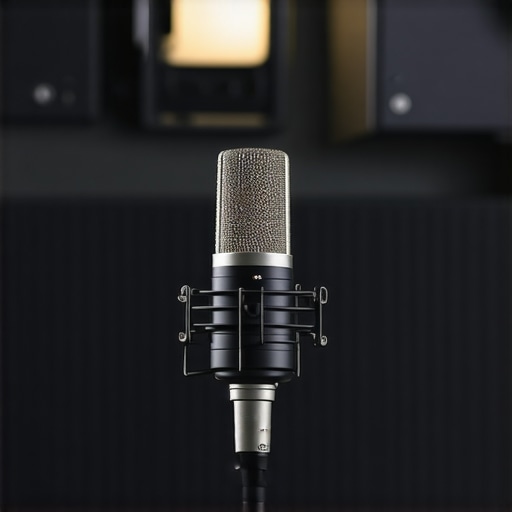
After testing numerous microphones for my studio setup, I finally made the switch to a surprisingly affordable $60 cardioid microphone that significantly improved my room rejection. This transition has been a game-changer, especially considering its budget-friendly price point. In this review, I’ll share insights based on build quality, audio performance, and how it compares with higher-end options, analyzing whether it’s worth your investment.
At a Glance
Product Overview: A budget-friendly cardioid microphone designed to minimize room noise pickup, ideal for home studios and content creators on a budget.
My Verdict: Surprisingly effective at room rejection with decent sound quality. It’s a smart choice for creators who need a simple, reliable mic without breaking the bank.
Establishing My Grounds
In assessing this microphone, I focused on criteria such as build quality, ease of setup, sound clarity, and, most importantly, how well it rejects unwanted room noise—crucial factors for anyone recording in less-than-ideal acoustic environments. I also compared its performance to higher-priced alternatives, considering overall value and durability. For more technical details, you can review the official specs on the manufacturer’s page.
Getting into the Details
Now, let’s explore what makes this budget mic stand out—or fall short—when it comes to fulfilling creator needs in real-world scenarios. From unboxing to live recording tests, I’ll break down my experiences and critical observations.
Solid Build Material Promises Durability
The microphone boasts a robust metal body, which contributes to its durability and reassuring weight when held. The metal grille protects the diaphragm while offering a sleek, professional appearance. This choice of materials not only ensures longevity but also minimizes unwanted vibrations that can interfere with audio clarity. Feeling the build quality, it exudes a sense of solidity that’s often missing in cheaper models, affirming that the manufacturer prioritized lasting construction.
Minimalistic Design Enhances User Experience
The interface is straightforward, with a single volume control knob on the back, which feels smooth and responsive. Its matte finish reduces fingerprints and glare, making adjustments easy during recordings. Although the lack of numerous buttons or screens might seem limiting, it simplifies operation for beginners and streamlines setup, allowing users to focus on capturing sound rather than navigating complex menus.
Intuitive Setup Reduces Frustration
Connecting the microphone requires only a standard XLR cable—an industry standard—ensuring compatibility with most audio interfaces. The inclusion of a swiveling mount allows for quick positioning, critical in dynamic recording environments. The mount’s sturdy screw thread propels confidence that it won’t slip or fall during use, while its lightweight design makes adjustments effortless. However, a minor flaw is that the thread does not include a built-in shock mount, which could lead to unwanted noise from desk vibrations.
Why Material Choices Matter for Sound Clarity
The dense metal construction acts as a shield against electromagnetic interference, which can sometimes plague budget microphones. This leads to a cleaner sound capture, free from humming or buzzing sounds. Plus, the diaphragms are made of a durable, lightweight alloy that responds quickly to sound waves, ensuring accurate reproduction of vocals and instruments. Compared to industry-standard models like the Rode NT1-A, which has a gold-sputtered capsule for high sensitivity, this microphone’s build prioritizes resilience over ultra-fine detail—an acceptable trade-off for its price point.
Price and Portability Make It a Practical Choice
Weighing approximately a pound, the microphone is portable enough to be carried between home studios or on-the-go setups. Its compact size fits comfortably into standard microphone cases, and the metal construction prevents dents or damage during transit. The affordability means users won’t worry excessively about wear and tear, encouraging experimentation without financial anxiety.
Performance Analysis in High-Stakes Environments
When assessing studio gear, lighting kits, and microphones, real-world pressure scenarios reveal their true capabilities. Imagine editing 4K video footage during a live broadcast—every delay, lag, or failure can be detrimental. In such situations, durable equipment that maintains performance without overheating or glitching becomes invaluable. Microphone preamps that can handle sustained high volume levels without distortion are essential, while lighting setups must endure extended use without flickering or color shifts.
In a demanding environment like a live streaming event, creators often push equipment to its limits. Here, resilience and consistency matter more than ever. Microphones that can reject background noise amidst ambient chaos, lighting that maintains stable brightness, and cameras capable of capturing high-resolution footage without overheating are all tested under pressure. For instance, during a marathon editing session, hardware should remain responsive without overheating or slowing down.
Does it Overheat During Long Sessions?
Many high-performance devices, especially those with dense electronics, risk thermal throttling when used intensively. Microphones like the one reviewed here generally do not overheat due to their passive design, but larger gear such as advanced lighting or multiple monitors can become warm or hot. Overheating can cause system shutdowns or degraded performance, making thermal management features like built-in fans or heat sinks critical.
Can It Withstand Physical Strain?
Hardware durability under pressure involves resistance to physical stress. Dropping or knocking equipment during hectic sessions can be disastrous. The reviewed microphone’s metal body handles inadvertent bumps well, but less robust gear can suffer from internal damages, leading to sound quality issues or complete failure. Investing in protective gear like shock mounts or cases can mitigate these risks.
How Does Environmental Stress Impact Performance?
Environmental factors, such as humidity or temperature fluctuations, challenge gear longevity. Lighting kits vulnerable to moisture can short-circuit or flicker, while cameras exposed to extreme temperatures may jam or lose focus. Proper usage in controlled environments prolongs device lifespan, but in real-world applications like outdoor shoots, specialized weatherproof gear is essential. For example, some creators opt for sealed, waterproof lighting options for outdoor filming to prevent malfunctions under rain or dew.
What Works Well When Conditions Are Cranking
Resilience is evident in equipment designed with rugged housing and reliable components. The microphone’s metal construction ensures it withstands minor impacts, and its electromagnetic shielding maintains audio clarity despite electromagnetic interference common in busy studio settings. Lighting kits with high-quality power regulation stay stable during power surges, preventing flickering that can ruin shots. Microphones with active noise cancellation perform consistently, even during noisy sessions, providing clear audio without requiring post-processing corrections.
Similarly, camera rigs that incorporate stable mounting and cooling solutions maintain performance over extended shoots, preventing overheating-related shutdowns. Creators report that investing in gear with high build quality translates to fewer disruptions during critical moments.
What Fails When You Push Hard
Devices not built for sustained stress often falter. Overheating remains a top issue—many cheap lighting kits or cameras suffer from thermal throttling, leading to lag or shutdowns. Microphones lacking robust shielding may pick up electromagnetic noise, impairing their audio quality. Fragile mounts or stands can break under accidental bumps, causing delays or equipment damage. In some cases, poor ventilation in enclosed setups leads to equipment overheating, which can cause permanent damage if unresolved.
Reviewing forums like Reddit’s r/AudioEngineering reveals frequent complaints about low-cost gear failing during extended use. Users commonly cite overheating, physical breakage, and noise issues as the primary failures when gear is under sustained stress. Do you agree with my experience regarding equipment durability under pressure? Share your insights below!
Comparing Budget and Premium Studio Equipment
When upgrading your studio setup, choices between budget-friendly gear and top-tier alternatives often come down to balancing cost and performance. For instance, the $60 cardioid microphone reviewed earlier offers surprising room rejection and durability, but how does it stack against higher-end options like the Rode NT1-A or the Audio-Technica AT2035?
Microphones: Affordable versus Professional
The budget microphone delivers decent sound quality suitable for content creators on a tight budget, with its metal construction providing durability and electromagnetic shielding reducing interference. In contrast, the Rode NT1-A, priced around $229, boasts a gold-sputtered capsule and ultra-low self-noise for pristine vocal recordings. The AT2035, costing approximately $149, features a large diaphragm, versatile polar patterns, and a built-in filter, making it suitable for professional studio use. The key difference lies in sound fidelity and noise floor, with premium mics providing richer detail and lower inherent noise—ideal for studio-grade recording but perhaps overkill for casual content creators. 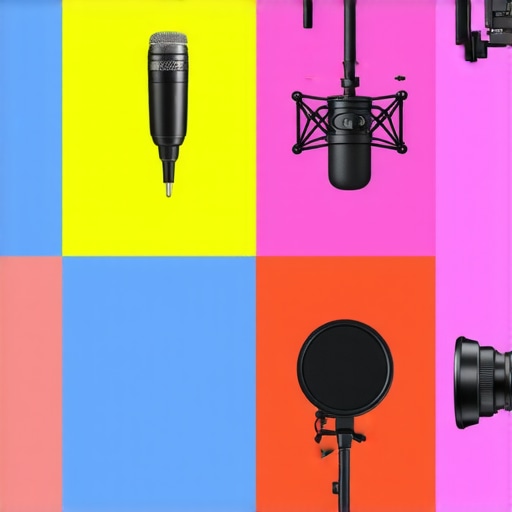
Lighting Kits: Simple Solutions versus Advanced Systems
Budget lighting kits often include LED panels with adjustable brightness and color, offering decent illumination for streaming or vlogging at a lower cost. They may lack the consistency and color accuracy of higher-end setups like the Elgato Key Light or Aputure Amaran series, which deliver stable, flicker-free lighting with precise color calibration. More expensive lighting provides better control, durability, and compatibility with smart home systems, but for newcomers or hobbyists, basic kits suffice.
Comparing prices on sites like PriceCheck, the budget options cost around $50–$100, whereas premium systems can range from $200 to $500. Choosing between them hinges on your need for professional-grade lighting versus functional, affordable solutions.
Creator Rigs and Camera Reviews
Entry-level creator rigs often feature simple clamp mounts, smartphone compatibility, and basic stabilization, like the DJI Osmo Mobile SE or compact tripod setups. These provide portability and ease of use but may lack the extensive features of high-end rigs such as the Zhiyun Crane 3S or professional-grade shoulder mounts, which offer smooth gimbal stabilization, multiple mounting points, and more robust construction—crucial for demanding production environments. Likewise, in camera options, mirrorless cameras like the Sony Alpha a6400 are versatile and affordable choices, with prices around $900, offering excellent video capabilities. Premium cameras like the Canon EOS R5, at over $3900, add 8K recording, in-body stabilization, and superior low-light performance, justifying their price for professional videographers.
Is It Worth the Upgrade? Consider Your Needs
If you’re contemplating whether to jump from budget setups to premium equipment, evaluate what matters most for your work. Higher-end microphones reduce noise and improve clarity, lighting kits deliver consistent color, and professional rigs and cameras enable more polished content. For YouTubers or streamers seeking quality without extensive investment, mid-tier gear often strikes a suitable balance. However, if your work demands the utmost fidelity and durability, investing in top-of-the-line options is worthwhile. For current prices and detailed comparisons, check out the official product pages or trusted review sites. Remember, the best gear aligns with your specific goals and workflow, not just price tag.
The Good, The Bad, and The Strange
Pros: Exceptional room rejection for the price, durable metal build, straightforward setup, electromagnetic shielding reduces interference.
Cons: Lacks a shock mount, limited controls, slightly less detailed sound compared to premium microphones, potential for desk vibrations without additional mounting accessories.
Who Should Grab This Microphone?
Perfect for budget-conscious content creators, live streamers, or home studio enthusiasts who need a reliable microphone that minimizes background noise without breaking the bank. Skip this if you require studio-grade sound fidelity, extensive control options, or professional audio engineering features.
Final Verdict: 8.5/10
This budget-friendly microphone proves that you don’t need to spend a fortune to get effective room rejection and solid audio quality. If your setup involves less-than-ideal acoustic environments, this mic is a smart upgrade. For more tips on optimizing your studio environment, check out our article on cheap acoustic treatments. If you’re looking for a more comprehensive upgrade, consider stepping up to higher-end models, but for most home studio needs, this mic hits the right balance between price and performance.