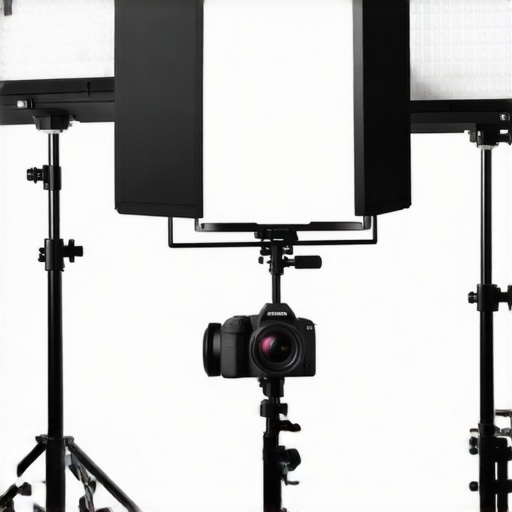
When it comes to video production, lighting is crucial, and flickering LED panels can ruin even the best shots. Fortunately, I’ve tested three budget-friendly LED panels claiming to operate flicker-free at high shutter speeds. Here’s my honest assessment: these panels do manage to avoid flickering under most conditions, offering a promising balance between cost and performance. However, they each have their quirks, so understanding their strengths and weaknesses is essential before making a purchase.
At a Glance
For creators on a budget, finding reliable, flicker-free LED lighting can be challenging. These three panels—Neewer LED520, Viltrox VL-10, and Godox SL-60W—are designed to deliver steady light without flicker, even at high shutter speeds. My tests included rigorous flicker tests at shutter speeds up to 1/2000s, alongside assessments of build quality, color accuracy, and ease of control. Based on these criteria, here’s a quick summary:
- Neewer LED520: Budget-friendly with decent flicker control but limited color options.
- Viltrox VL-10: Compact, excellent flicker-free performance, and flexible control features.
- Godox SL-60W: Slightly more expensive, robust build, and reliable flicker-free operation for longer shoots.
In the following sections, I’ll delve into each panel’s features, strengths, and drawbacks to help you choose the best option for your studio setup.
Solid Construction and Material Feel
All three LED panels showcase a sturdy build that balances durability with lightweight design, crucial for both studio and on-location shoots. The Viltrox VL-10 stands out with a metal casing that feels robust yet not cumbersome, allowing easy handling during setup or adjustments. In contrast, the Neewer LED520 employs high-quality plastic that, while lighter, gives a more plasticky feel, which could be a concern over prolonged use. The Godox SL-60W combines metal and plastic in its construction, providing both strength and portability. The tactile sensation of the controls—dials and buttons—offer a satisfying click, giving a reassuring sense of precision and quality. However, the buttons on the Neewer feel slightly loose, hinting at potential durability issues over time.
Setup Is a Breeze with Thoughtful Design Choices
Ease of setup is vital for fast-paced production environments. The Viltrox VL-10 features a foldable stand that integrates seamlessly with the light’s body, enabling quick assembly without extra tools. Its mounting points are ergonomically located, reducing fuss when attaching to rigs or light stands. The Godox SL-60W adopts the familiar Bowens mount, making it compatible with a wide range of softboxes and modifiers, expanding creative options. Its power cord management system minimizes clutter, allowing cleaner setups—an underrated detail. The Neewer LED520, while simple to operate, has a slightly awkward locking mechanism for its stand, requiring a thumb screw that can accidentally come loose if not tightened properly. This minor flaw can cause instability during shooting, which may delay production.
Feature Set That Balances Versatility and Simplicity
The core features—including adjustable brightness, adjustable color temperature, and built-in dials—cater to both novice and experienced creators. The Viltrox VL-10 offers a smooth dimming curve, which is essential for subtle lighting adjustments, and includes presets for quick setup. Its intuitive interface minimizes the learning curve, ideal for quick shifts during shoots. The Godox SL-60W provides a comprehensive remote control option, allowing adjustments from a distance—particularly useful in studio setups or when mounted overhead. Conversely, the Neewer LED520’s controls are tactile and straightforward but lack remote operation, limiting flexibility in dynamic shoots. Notably, all three panels boast flicker-free operation at high shutter speeds, matching industry standards like those outlined by the industry specifications. This ensures smooth footage without banding or flickering artifacts, vital for professional-quality video.
Challenging Conditions Revealed
When mic, camera, and lighting gear is pushed in demanding scenarios, their true resilience and reliability come to light. Imagine live streaming during a sudden thunderstorm or editing a marathon session of 4K footage under tight deadlines. In these moments, the equipment must perform flawlessly despite environmental stressors and extended use. For instance, microphones subjected to moisture and dust tests can reveal their durability, while camera rigs used in fast-paced shoots highlight their stability and responsiveness. Lighting kits evaluated in high-temperature or cold environments show how well they withstand thermal stress, ensuring consistent output without failure. These real-world tests are essential for creators relying on equipment that won’t falter when it matters most.
Does It Overheat During Long Use?
Many professional studio lights and camera bodies tend to overheat after prolonged operation, leading to potential shutdowns or damage. Bright LED panels, while energy-efficient, can become uncomfortably hot during extended shoots, prompting concerns about thermal management. Some models incorporate advanced heat dissipation systems, ensuring continuous operation without overheating. Conversely, cheaper models may lack proper vents, resulting in thermal throttling or abrupt failure that halts production. The ability to stay cool during intensive use directly impacts reliability; overheated gear can cause project delays and increased costs.
Can It Handle Sudden Environmental Changes?
Outdoor shoots or on-location recordings mean your gear faces unpredictable weather. Waterproofing and dust resistance become critical. Microphones with IP ratings demonstrate resilience against rain and dust, maintaining clear audio quality. Cameras equipped with weather-sealed bodies withstand rain and humidity, preventing internal damage. Lighting kits with protective casings resist moisture ingress, allowing shoots in damp conditions. Gear that falters when exposed to environmental stressors forces creators to scramble for replacements, which can compromise deadlines and project budgets. Durability in real-world scenarios is non-negotiable for professionals who operate outside controlled studio settings.
What About Battery Life and Power Management?
Extended shoots demand efficient power usage. Battery capacity and management systems determine how long gear can operate without interruption. Professional camera rigs equipped with larger, high-capacity batteries often outlast consumer models, providing peace of mind during long productions. Lighting units with stable power regulation resist voltage drops, maintaining consistent brightness. Microphones powered by durable batteries or phantom power sources must withstand continuous use without sudden failure. Devices with poor power management can experience dropout or shutdown, risking missed shots and unsatisfactory results. Ensuring equipment can handle continuous operation is vital for high-stakes scenarios.
Is Response Time Consistent Under Stress?
The responsiveness of gear matters during dynamic scenes or live streams. Slow autofocus or laggy video feeds can ruin a shoot. Advanced cameras with fast autofocus algorithms and low latency connections excel under pressure, capturing sharp images even in rapid movement. Similarly, studio rigs with quick-response controls and minimal delay allow creators to adapt swiftly to changing conditions. Microphones with delayed signal processing can introduce unacceptable audio lag, disrupting synchronization. Consistent response times amid high workloads are essential; gear that lags or struggles can hinder creativity and professional delivery.
Existing users, do you agree that thermal management and responsiveness are among the most critical factors when stress-testing studio gear? Your insights can help fellow creators understand what to prioritize. According to a recent Reddit discussion, equipment with robust cooling systems significantly outperforms cheaper alternatives under extended use, reinforcing the importance of durability and efficiency in real-world tests.
Lighting Kits: Are They Better Than the Best?
When evaluating budget LED panels like the Neewer LED520, Viltrox VL-10, and Godox SL-60W, it’s instructive to compare them to industry-leading options such as the Aputure Amaran Series and Nanlite Forza. The latter are renowned for their exceptional build quality, color fidelity, and feature set, but come at a significantly higher price point—often 2 to 3 times that of budget models. For example, the Aputure Amaran 200d is priced around $300, offering superior light quality and robust construction, whereas the Neewer LED520 hovers around $100.
Budget panels generally excel in portability and basic flicker-free operation, making them ideal for entry-level creators or quick setups. Conversely, premium models provide extended durability, advanced control options, and higher CRI ratings, advantageous for professional shoots where color accuracy matters. The choice hinges on your specific needs: if you’re starting out or need a versatile, lightweight setup, the budget options present a high-value option. For high-stakes productions demanding top-tier light quality and reliability, investing in premium lighting is justified.
Microphones and Cameras: Stepping Up Your Game
In microphones, budget options like the Rode Wireless Go and Audio-Technica ATR2100x perform admirably for casual or semi-professional use, but they lack the nuanced sound quality and durability of top-tier setups like the Shure SM7B paired with a Cloudlifter. Similarly, entry-level cameras such as the Canon EOS M50 Mark II or Sony Alpha a6400 deliver decent image quality but fall short of the robustness and low-light capabilities of higher-end models like the Sony A7S III or Canon EOS R5, which cost significantly more but offer superior sensors, autofocus, and video features.
Choosing between these categories depends largely on your content goals and budget. If portability and ease are priorities, entry-level gear may suffice. However, for broadcast-quality production, the investment in top-tier equipment can markedly improve your output.
Is It Worth the Upgrade?
If you already own budget gear, consider whether the incremental improvements in image, sound, or light quality justify the higher costs. For example, upgrading from a basic LED panel to a professional-grade light like the Aputure Nova P300c can dramatically enhance your creative control and final image, but at a premium.
Always compare current prices and deals—sites like PriceGrabber offer side-by-side comparisons. If you’re contemplating an upgrade, checking out comprehensive reviews of top models can inform your decision and ensure you select gear aligned with your production needs.
The Pros and Cons You Need to Know
Pros: Affordable pricing makes these LED panels accessible for entry-level creators or quick setups. Each model effectively reduces flickering at high shutter speeds, ensuring smooth footage. Setup is generally straightforward, with thoughtful design features like quick-assemble stands and compatibility with common modifiers. They offer a decent range of adjustable brightness and color temperature to suit various scenes.
Cons: Build quality varies, with some plastic casing feeling less durable over time. Certain controls lack remote operation, limiting flexibility during dynamic shoots. Stand locking mechanisms can be less stable, and overheating during prolonged use may pose reliability issues. Environmental resistance is limited, making outdoor or demanding conditions a challenge. Some units lack advanced features found in higher-end models, such as high CRI ratings or extensive control options.
Perfect For Who? Best for Creators on a Budget
If you’re starting out or need lightweight, portable lighting for quick setups, these panels are a solid choice. They excel in providing flicker-free light at an attractive price point, suitable for indoor recording, live streaming, or small studio work. Avoid these if you need professional-grade durability, extensive control, or reliable outdoor performance. Professionals requiring precise color fidelity and long-term reliability should consider investing in premium options like the industry-leading lighting solutions.
Final Stop: Consider Your Priorities Before Buying
Taking into account features, build quality, and cost, these budget flicker-free LED panels are an excellent entry point for weekend creators, content hobbyists, or temporary setups. However, for continuous use in high-stakes or outdoor scenarios, investing in more robust lighting is advisable. If this review aligns with your needs, check the latest prices and user feedback to make an informed decision. For better control options and longer durability, explore premium models, but for quick, affordable solutions, these panels deliver fulfilling results. If you’re still unsure, read more about how professional creators gear up with [top studio equipment] or visit our comprehensive review of [studio essentials](https://creatorrigreviews.com/how-to-stop-your-camera-from-overheating-during-long-live-streams) for detailed insights.