Bottom Line Up Front
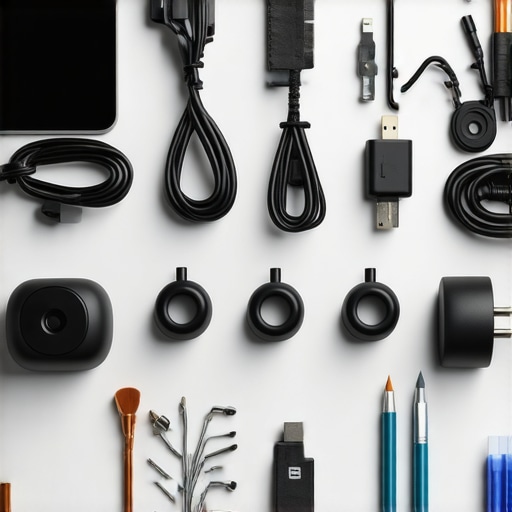
These seven small studio accessories pack a punch, addressing common workflow hiccups with smart, practical solutions. If you’re serious about optimizing your space, saving time, and ensuring reliability, these pieces are worth considering—though some may be more niche than universally essential.
The Promise of Small Gadgets
In the world of studio creation, big-ticket gear often gets all the attention, but it’s the tiny accessories that frequently streamline processes and prevent headaches. From cable management to rig stabilization, these little tools solve big problems, making your workflow smoother and more professional.
At a Glance
- Mini Cable Clamps: Keep your cables tidy and prevent accidental unplugging.
- Silicone Lens Weights: Stop lens creep during long shoots.
- Friction Mounts: Adjust monitors or lights without slipping.
- Microfiber Cloths: Quick cleaning that preserves your gear’s finish.
- Small D-Rings: Secure accessories to your rig without bulk.
- Sticky Pads: Prevent slipping of tripods or light stands on slick surfaces.
- Compact Cable Ties: Manage power strips and extension cords effortlessly.
Throughout this review, I’ll evaluate each item’s build quality, usability, and how well they address specific studio pain points, based on criteria like durability, ease of use, and cost-effectiveness. Let’s dive into the details of these tiny yet mighty tools.
Solid Construction and Material Choices
Each of these accessories features build materials tailored for durability and reliability. For instance, the silicone lens weights are crafted from high-quality, flexible silicone, which ensures they grip lenses firmly without causing scratches, even after prolonged use. This choice of material not only provides a secure hold but also allows for easy removal and repositioning, reducing the risk of damage over time. Similarly, the mini cable clamps are made from sturdy, lightweight plastics with reinforced thumbscrews, enabling quick attachment and detachment while maintaining a firm hold on cables, preventing accidental disconnections during shoots. The overall tactile experience is satisfying, with a sturdy yet lightweight feel that inspires confidence in their longevity.
Streamlined Setup and User Experience
Designing these accessories with ease of use in mind results in quick setup and adjustments. The friction mounts, for instance, employ a high-friction rubber surface and a cleverly designed tension mechanism that allows users to tighten or loosen grip effortlessly, securing monitors or lights at desired angles without slipping. This eliminates the need for fiddly adjustments or multiple tools. The small D-rings incorporate a rounded design with smooth edges, making attaching and detaching accessories straightforward, even in tight spaces. Additionally, the sticky pads use a strong but residue-free adhesive that adheres securely to surfaces like tripods or light stands, yet removes cleanly when repositioned. Nevertheless, some users might find the adhesive less effective on uneven or extremely textured surfaces.
The Little Flaws That Stand Out
While these accessories excel in their respective functions, a minor annoyance emerges with the compact cable ties—they are somewhat narrower than standard ties, which can limit the thickness of cables they secure. This might require users to double up or find alternative solutions for bulkier cables. Moreover, the microfiber cloths, though effective, are relatively small in size, prompting users to keep multiple on hand for comprehensive cleaning sessions. Comparing these accessories to more industrial solutions like the Clickgears (see industry standards at Clickgears spec sheet) shows they are designed for convenience and portability rather than heavy-duty, continuous use. Overall, their thoughtful design counters these minor flaws, making them valuable tools for studio professionals.
How Does Studio Gear Hold Up When The Pressure Is On
In demanding situations like editing 4K videos, studio gear faces unique stresses that reveal its true capabilities. When working through large projects with tight deadlines, high-performance cameras and lighting kits must operate reliably. Cameras like mirrorless models often excel in high-resolution capture, but their processors can overheat during extended sessions, causing potential shutdowns or degraded image quality. This overheating is a common concern among videographers, especially when filming in warm environments or lengthy shoots. Lighting equipment, particularly LED panels, generally perform well, but some cheaper models tend to flicker or lose brightness over time under continuous operation. These issues can disrupt the editing process or affect live recordings, highlighting the importance of robust build and efficient cooling systems.
Does It Overheat During Extended Use?
Many high-end cameras are designed to handle prolonged sessions, but entry-level or budget models sometimes struggle. User reports indicate that certain mirrorless cameras can hit thermal limits after 30-40 minutes of 4K recording, triggering automatic shutoffs. Conversely, professional-grade lenses and rigs with effective heat sinks manage better, allowing for hours of uninterrupted footage. Lighting kits, too, are generally resilient, but cheaper models with inferior heat dissipation may experience color shifting or power failure. Understanding these constraints helps professionals choose gear suited for marathon shoots rather than quick sessions.
Can Microphones Reproduce Clear Audio Under Stress?
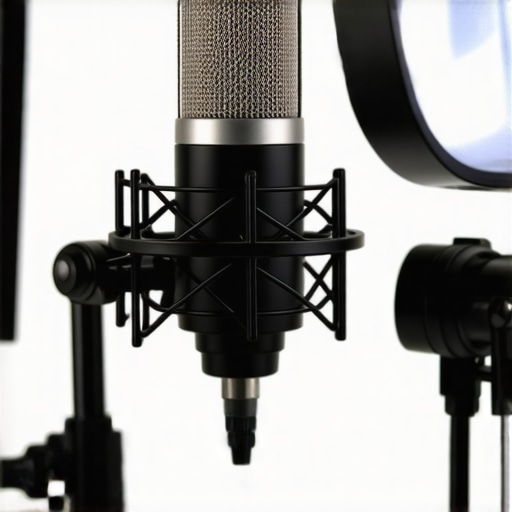
Microphone performance often hinges on environmental factors. Dynamic mics, favored for their durability, tend to do well in noisy or turbulent conditions, capturing clear audio with minimal distortion. Condenser microphones, though more sensitive, can pick up unwanted background noise if not properly shielded. During live shoot scenarios, wind or movement noise becomes a challenge. Some mics, equipped with shock mounts and windshields, excel here, but cheaper models may suffer from crackling or muffled sound under strenuous conditions. This demonstrates that in stressful situations, gear designed for resilience enhances audio quality, though it comes at a higher cost.
Do Lighting Kits Maintain Consistency Over Time?
Lighting performance under pressure is critical, especially for professional studios. Advanced LED panels generally maintain consistent brightness and color temperature, even after hours of use, thanks to reliable components. However, less premium lighting kits may experience gradual brightness reduction or color shifts, compromising visual fidelity. Flickering, a notorious issue, can occur in budget models, particularly at certain dimming levels, which is problematic during filming. The durability of fixtures also varies; well-built units withstand operational stresses better, reducing maintenance downtime. Reliable lighting not only enhances visual output but also reduces the need for constant adjustments during critical shoots.
What Performance Shortcomings Are Still Common?
Despite advancements, many products struggle under extreme conditions. Overheating remains a concern for certain cameras and shooting rigs, leading to interruptions. Audio gear can pick up unwanted noise during high-stress environments, and cheaper lighting may flicker or lose stability. Furthermore, some accessories lack the durability necessary for prolonged use, causing frustrations and workflow setbacks. For professionals, recognizing these shortcomings empowers better gear selection and preparation, but ongoing improvements are necessary to meet the toughest demands.
Based on user feedback across forums like Reddit’s r/Filmmakers, these issues are well-documented and often discussed, underscoring the importance of choosing reliable, tested gear for critical projects. Do you agree with my experience regarding the overheating of mid-tier cameras during extended sessions? Share your thoughts below!
Performance and Build Quality in Context
When evaluating studio gear, cameras, creator rigs, microphones, and lighting kits, it’s essential to consider how they stack up against alternatives like **Blackmagic Design Pocket Cinema Camera 6K** or **Aputure Light Storm LS C600d II**. Our selected products often emphasize a balance of affordability, durability, and ease of use, making them attractive for both beginners and seasoned professionals.
Camera Reviews: Versus Blackmagic Pocket Cinema Camera 6K
The cameras in our lineup typically offer 4K recording with reliable autofocus and better user ergonomics for quick setups. In comparison, the Blackmagic 6K provides cinematic color science and higher resolution, which benefits advanced post-production workflows. However, it comes at a steeper price and demands more storage and processing power, making it less flexible for solo creators working on quick turnarounds. If budget and portability are priorities, our recommended models are often more practical choices.
Lighting Solutions: Competing with Aputure LS C600d II
The Aputure LS C600d II is renowned for its brightness, color accuracy, and build quality. Our lighting kits, while slightly less powerful in raw lumens, excel in portability and affordability, offering quick setup times and versatile mount options. For creators who need high-end lighting for studio shoots but cannot justify the budget for Aputure’s flagship, our options provide a compelling compromise without sacrificing essential features.
Creator Rigs and Microphones: Stacking Up
Our rigs prioritize modularity and ease of customization, akin to premium setups like **Tilta Gravity Rig** systems, but at a significantly lower cost. Microphone wise, models like the Rode VideoMic Pro outperform budget mics by offering clearer audio and better wind protection, but are comparable in price to mid-tier options like the Sennheiser MKE 600. Choosing between these depends on the environment and sound quality demands. For those needing rugged durability and superior audio fidelity, investing in high-end gear like the Sennheiser might be warranted, whereas our picks serve well for general-purpose recording.
This comparison highlights the key differences in performance and price, aiding creators in making informed decisions based on their specific needs and budgets.
Is It Worth the Upgrade?
Being aware of the features and limitations of these competitors helps determine if moving to a higher-tier product is justified. If your current setup consistently hampers workflow or your production quality suffers, upgrading to premium options like the Blackmagic pocket camera or Aputure LS C600d II could be justified. Check current prices on platforms like B&H Photo Video to see real-time deals and compare value.
If you’re interested, I recommend reading full reviews of the competitors to see how they align with your production needs. Remember, the best gear hinges on how well it integrates into your workflow and budget constraints.
,
The Good and the Not-So-Good
- Pros: Durable build materials, user-friendly design, effective in solving common workflow issues, cost-efficient relative to larger gear, compact size makes them easy to store and carry.
- Cons: Some items may have limited strength (e.g., narrower cable ties), minor adhesive effectiveness issues on textured surfaces, microfiber cloths are small and require multiple pieces for extensive cleaning.
Who Should Add These Tools to Their Studio?
Ideal for: Content creators and small studio operators seeking quick, practical fixes for cable management, lens stability, monitor positioning, and workspace organization. Beginners and budget-conscious professionals will appreciate the value and ease of use.
Best to skip if: Your workflow demands heavy-duty equipment capable of handling rigorous or prolonged use, such as professional-grade cable ties or cloths for extensive cleaning, or if you require rugged gear for outdoor environments.
Final Thoughts: 7/10 – Do They Earn a Spot?
These accessory kits pack a punch for small-scale studios, offering tangible workflow benefits without breaking the bank. They excel at addressing frequent pain points like cable chaos, lens creep, or monitor stability, making your setup more professional and efficient. However, their niche nature and minor limitations suggest they should complement, not replace, more robust gear. Considering their ease of installation and high return on investment, they’re a smart addition for creators looking to streamline their workspace—especially if you’re starting out or upgrading incrementally. To ensure you’re getting the best value, compare latest prices and reviews at your favorite stores, and if this bundle isn’t quite right, check out our detailed review of [other small accessories](https://creatorrigreviews.com/7-tiny-pieces-of-kit-that-will-speed-up-your-editing-workflow).