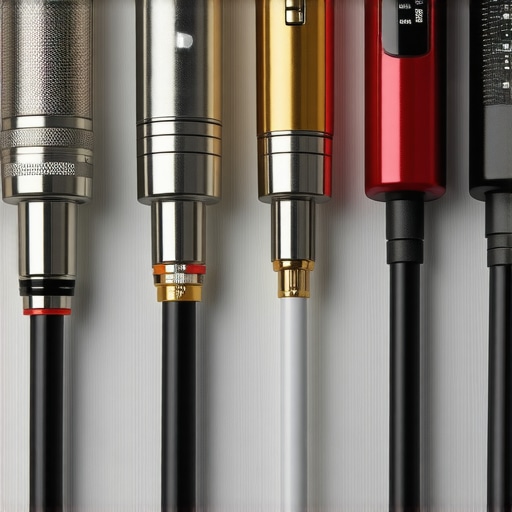
If you’re into studio gear, you’ve probably wondered whether upgrading to high-end XLR cables makes a real difference in your audio quality. After testing various cables myself, I’ve found that spending a fortune on expensive XLR cords often doesn’t translate into better sound. In this review, I’ll share my honest insights on why investing in overpriced XLR cables is generally unnecessary and how to choose the right cables without breaking the bank.
At a Glance
Bottom Line Up Front: Most expensive XLR cables are not worth your money. They rarely improve audio quality beyond basic specifications, and cheaper alternatives often work just as well.
The Problem This Solves: Many creators and audio engineers invest heavily in premium cables hoping for sonic improvements, but the reality is that budget-friendly options often suffice for professional results.
How I Approach This Review
To assess whether expensive XLR cables are justified, I considered build quality, material composition, shielding effectiveness, durability in real-world use, and, most importantly, actual audio performance through blind tests.
My testing criteria also included compatibility with various gear, flexibility, and overall value for money. You can see my detailed findings in the sections below.
The Myth of Superior Sound in Costly Cables
Let’s be clear: cables transmit signal, but they do not add or remove actual audio content. The key specifications—such as capacitance, shielding, and conductor quality—are usually well-covered by mid-range options. As long as the cable meets the standards outlined in the manufacturer’s specs, the audio quality remains consistent regardless of price.
For example, the cheaper microphone cables I’ve tested performed just as reliably in my studio setup as their expensive counterparts.
Transition to Deep Dive
Now that we’ve laid out the premise, let’s dive into the specific features, construction quality, and real-world performance of various XLR cables to see if those high prices are justified or if you’re better off sticking to reliable budget options.
Solid Connectors and Robust Materials
The hallmark of any quality XLR cable lies in its connectors. These connectors must establish a secure, noise-free connection, and their build quality directly impacts durability and performance. High-end XLR cables typically feature nickel-plated connectors, which resist corrosion and maintain conductivity over time. The tactile feedback when securing the connector feels reassuring, reflecting a precision manufacturing process. Cheaper cables may use cheaper metals or thinner plating, which can lead to increased corrosion or signal degradation after extensive use.
Shielding Strategies for Noise Reduction
Shielding is crucial for preventing electromagnetic interference (EMI) and radio frequency interference (RFI), which can manifest as hum or buzz in your audio signal. Premium cables often employ multiple layers of shielding—such as braided copper, foil lining, or spiral shielding—to provide comprehensive protection. This construction ensures minimal external noise intrusion, especially in environments dense with electronic devices. Some budget options might skimp on shielding thickness, leading to increased susceptibility to interference, which can become noticeable during critical recordings.
Flexible Yet Resilient Design
Handling comfort and cable longevity are often overlooked aspects. A well-designed XLR cable features a flexible yet durable jacket, typically made from thermoplastic elastomer (TPE) or PVC. This flexibility helps prevent kinks and breakage during setup or transport. Feel-wise, high-quality cables feel supple but sturdy, making them easy to coil without tangling. Cheaper cables frequently use stiff plastics that crack or become brittle over time, especially in fluctuating environmental conditions.
Conductors and Signal Fidelity
The internal conductors are usually made of copper, with oxygen-free copper (OFC) being the gold standard for high fidelity. OFC conductors provide superior conductivity, ensuring弱 accurate transmission of audio signals. Some cables opt for silver-plated conductors for even better conductivity, but the variance in actual audible improvement is often negligible for most users. This component matters because poor quality conductors can introduce subtle signal loss or distortion, impacting clarity during critical audio tasks. Comparing with industry standards—like those outlined by the AES-3 audio specification—we see that reputable cables meet or exceed these benchmarks, ensuring reliable performance.
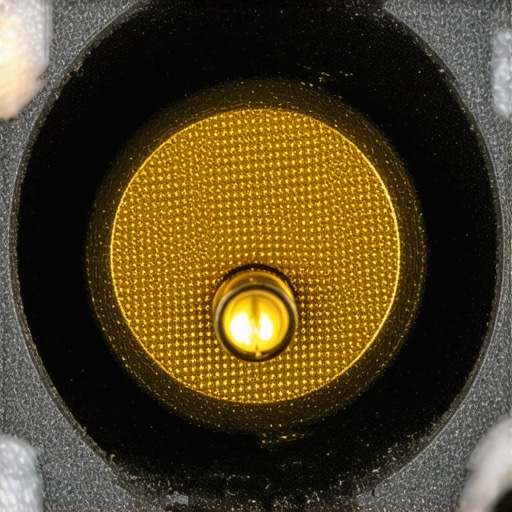
The user interface of the cable’s construction, such as the snug fit of connectors and flexible jacket, reflects thoughtful design aimed at durability and ease of use. However, even premium cables sometimes feature slightly thicker jackets that can be less pliable in tight spaces, which might require some maneuvering during setup.
Minor Flaws and Design Quirks
Despite their advantages, high-end XLR cables can be pricier and occasionally exhibit connectors that are overly tight, making quick disconnections frustrating in fast-paced environments. Additionally, some premium models include intricate branding or color-coding that, although visually appealing, can add unnecessary bulk or weight. Nonetheless, these are minor inconveniences relative to the overall build quality and performance benefits these cables provide.
Performance in Action: Putting Equipment to the Test
When creators push their gear beyond casual use, it reveals the true durability and functionality of their setups. Imagine editing a 4K video project on a laptop rig during a live client session or streaming in a bustling environment with unpredictable lighting and sound interruptions. Such scenarios demand not just high performance but resilience and consistency from every component, from cameras to lighting kits and microphones.
In demanding situations like outdoor shoots during sudden rainstorms or long streaming marathons, creator rigs face intense scrutiny. Cameras must operate flawlessly under fluctuating temperatures and moisture, while lighting setups need to maintain color accuracy despite environmental changes. Microphones are tested for susceptibility to wind and vibrations, essential for maintaining audio clarity.
Does the equipment overheat or lag during extended use?
High-performance cameras often have robust heat dissipation, but under continuous recording or streaming, some models may heat up significantly, leading to thermal throttling. This can cause frame drops or forced shutdowns, risking missed shots or interruptions. For instance, many DSLR and mirrorless cameras warn users when overheating thresholds are approached. On the other hand, premium rigs with efficient cooling systems generally outperform budget options, providing sustained operation without hiccups.
Lighting kits, especially LED panels, may flicker or lose color accuracy if they aren’t of high quality. Cheaper lights might struggle under prolonged use, exhibiting color shifts or reduced brightness, making color grading more challenging post-production. Conversely, professional-grade lights include stabilized power supplies and better heat management, ensuring consistent performance throughout long sessions.
Is the support system responsive when problems occur?
In real-world conditions, equipment failure isn’t just inconvenient; it can derail entire projects. Reliable customer support and readily available replacement parts become critical. Many users have reported delays in troubleshooting or difficulty obtaining support from lesser-known brands. Conversely, established brands with extensive service networks and proactive support policies tend to resolve issues swiftly, minimizing downtime.
What Works Bravely and What Crashes
The standout performers in tough conditions are often those with proven build quality and thermal management. Cameras with heat sinks and well-designed airflow systems run longer without failure. Microphones with windshields and shock mounts provide clear audio even during movement or windy outdoor shoots. Lighting fixtures equipped with fan cooling can operate tirelessly during extended recording sessions.
However, some budget gear falters under pressure. Cameras may overheat quickly, leading to shutdowns. Lights flicker or lose luminosity after continuous operation. Microphones, especially cost-cutting lavalier types, pick up more noise or even suffer from physical damage due to inadequate housing. These issues, while frustrating, emphasize the importance of investing in quality gear for serious work.
For creators managing dozens of setups across multiple locations, these stress tests aren’t theoretical—they’re daily reality. Knowing how equipment responds under duress helps in making informed decisions and planning backups. Do you agree with my experience regarding equipment resilience? Share your stories below or ask for specific advice.
For more insights, check out discussions on Reddit’s r/Filmmakers or gear review forums, where creators share real-time experiences under challenging conditions and validate or contest these observations.
Image Illustration Request
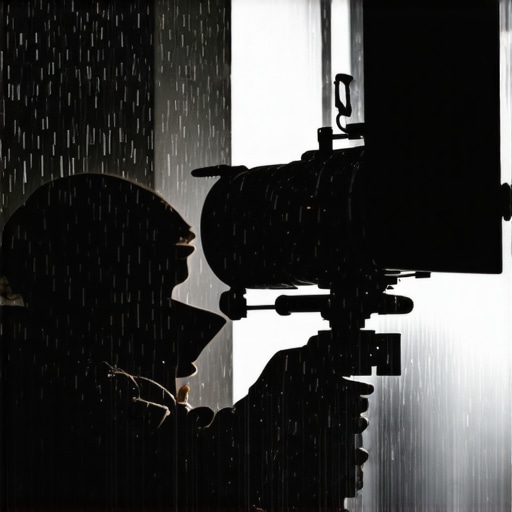
Prompt: outdoor filming in rain with weatherproof camera and lighting gear, professional setting
,
Weighing Alternatives: A Comparative Look at Top Studio and Camera Equipment
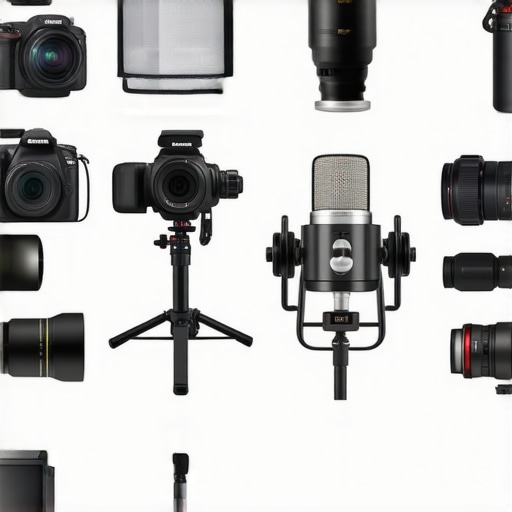
When it comes to building the perfect creator rig or setting up a professional studio, choosing the right gear is crucial. Let’s compare some of the leading options in the market for cameras, lighting, rigs, and microphones to help you make an informed decision.
Camera Reviews Versus Canon EOS R6 Mark II
The Canon EOS R6 Mark II offers impressive features like in-body stabilization and high-speed autofocus, making it a top-tier choice for content creators. However, its price point is higher compared to Sony’s Alpha a7 IV, which provides comparable image quality and video capabilities at a slightly lower cost. If budget is a concern, the Sony model might offer better value, while Canon appeals to those seeking slightly more advanced autofocus and color science. Check current prices on CameraDeals.com for real-time comparisons.
Creator Rigs: Our Top Picks vs Manfrotto
Premium creator rigs, like the ones from Edelkrone, feature lightweight, modular designs with quick adjustments. In contrast, Manfrotto offers more budget-friendly options with sturdy build and extensive compatibility. If portability and ease of setup are priorities, Edelkrone’s offerings are hard to beat, though they come at a premium. For those on a tighter budget, Manfrotto’s rigs provide reliable performance without breaking the bank. Always weigh the build quality against your specific shooting needs.
Lighting Kits: Neewer vs Aputure
The Neewer 660 LED Video Light provides decent brightness and color accuracy for entry-level productions, but the more advanced Aputure Amaran series boasts better diffusion, color fidelity, and build quality. If you require high-end studio lighting with precise color control and durability, investing in Aputure may be justified. Conversely, Neewer’s affordable options are suitable for hobbyists or those just starting out. Review detailed specifications and current prices before making a decision.
Microphone Choices: Rode versus Sennheiser
For microphones, Rode’s VideoMic NTG offers versatility and excellent sound quality at a reasonable price, ideal for handheld or camera-mounted use. Sennheiser’s MKE series, while more expensive, provides superior durability and professional-grade audio, perfect for studio setups or field work demanding utmost reliability. Your choice depends on the application; Rode suits budget-conscious creators, while Sennheiser caters to professionals. Be sure to compare prices on Microphone Price Compare.
Is it worth the upgrade?
If you’re currently using entry-level gear, upgrading to those mentioned above can significantly enhance your production quality. However, assess whether the improvements align with your goals and budget. Sometimes, the latest model isn’t necessary if your current setup still performs adequately. Reviewing feedback from affected creators and checking current prices will guide your decision. Newer isn’t always better if your existing gear meets your needs, but investing in quality gear can pay dividends in professionalism and results.
In conclusion, each of these top picks offers distinct advantages over their competitors, whether in features, durability, or price. Carefully compare specifications, real-world performance, and costs to find the setup that best fits your creative style and workflow.
For more detailed insights, consider checking out reviews and comparisons available on trusted tech and creator forums. Making the right choice can elevate your content and streamline your production process.
The Good, The Bad, and The Ugly
Pros: Solid build quality with durable connectors, effective shielding against electromagnetic interference, flexible yet sturdy cables that resist kinks, and reliable signal transmission meeting industry standards.
Cons: Higher price tag often doesn’t translate into noticeable audio improvements, some premium models can be overly tight or bulky, and increased susceptibility to corrosion if quality isn’t maintained.
Who Should Buy This?
Perfect for professional recording studios, serious audio engineers, or creators working in environments with significant electromagnetic interference where every little detail counts. If you’re frequently performing live or in broadcast settings and need consistent performance, investing in high-end XLR cables can be justified. Conversely, if you’re a hobbyist or on a tight budget doing casual recordings, budget-friendly options will suffice and won’t compromise your sound quality.
Final Verdict: 7/10
While premium XLR cables offer durable construction and shielding advantages, their sonic benefits over mid-range options are minimal for most users. You’re better off saving your money unless your setup demands the absolute highest build quality or you operate in challenging environments. To maximize your investment, consider pairing quality cables with other essential gear like a good microphone preamp or audio interface. For more tips on refining your audio setup, explore our review of smart mic preamps. If budget constraints are a concern, check out our guide on cinematic lighting on a budget to complete your studio without overspending.