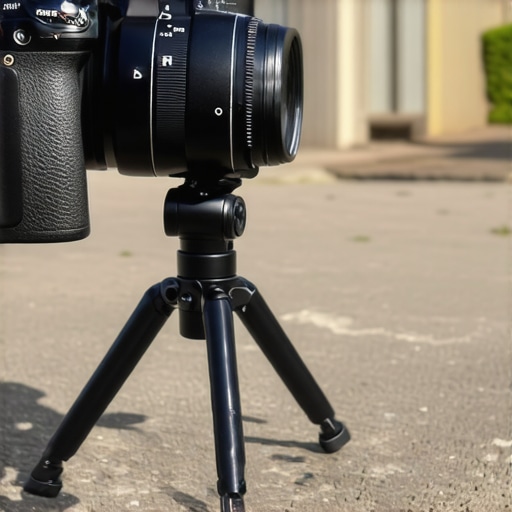
Bottom Line Up Front
In my honest opinion, plastic tripods are generally a poor investment for creators who value durability, stability, and long-term performance. While they might seem budget-friendly at first glance, their fragility and lack of robustness often lead to disappointing experiences—and costly replacements.
The Problem with Cheap Tripods
Most affordable plastic tripods are sold as entry-level gear, aiming to cater to beginners. However, the thin, lightweight plastic construction often results in a product that can’t withstand regular use or heavier equipment. As creators, we need gear that supports our work, not gear that becomes a limiting factor or a constant source of frustration.
My Evaluation Criteria
To assess whether plastic tripods are worth your money, I used the following criteria: build quality and materials, stability and performance under load, durability over time, ease of use, and value for the cost. These parameters help differentiate between a passing budget model and a product worth investing in for serious work.
What Other Creators Say
Numerous industry experts and reviews, including insights from creator rig reviews, emphasize that investing in quality gear reduces long-term costs and improves production quality. Plastic tripods often fall short in these respects, making them an unwise choice for professional or semi-professional work.
Sealing the Deal
In the upcoming sections, I’ll delve into the specifics of what makes plastic tripods fall short, examining their design, materials used, and real-world performance. This deep dive aims to help you make an informed decision—whether to save up for a more durable model or steer clear altogether.
Building with Budget Plastic Tripods: A Closer Look
At first touch, many plastic tripods feel lightweight and almost fragile, often crafted from thin, brittle plastics that promise portability but rarely deliver stability. When you set up the tripod, the materials’ quality becomes evident—infused with a certain stiffness that, while light, sacrifices robustness. The unassuming plastic legs can buckle under slight pressure, leading to shaky shots or the need for frequent readjustments, which disrupts your workflow.
Setup Speed Meets Compromised Stability
Employing these tripods typically involves extending telescopic legs and locking tight joints. While this process is straightforward—thanks to simple clip or screw mechanisms—the materials’ quality affects longevity and performance. The plastic joints often feel flimsy, and the locking mechanisms may wear out quickly, causing instability over time. This is particularly problematic when shooting with heavier gear like DSLR cameras or video rigs, where weight distribution matters more.
The Weight Dilemma
The appeal of these tripods lies in their portability. But, ironically, the lighter design often translates into less weight capacity—usually under 2-3 kilograms—making them unsuitable for more demanding equipment. In contrast, a metal tripod with similar weight might support 5-10 kilograms, providing more flexibility. The plastic’s inherent weakness in bearing weight means your camera setup might wobble even on a gentle breeze or slight table movement.
User Interface and Material Feel
Handling such a tripod, the plastic surface feels cold and hard, providing little grip during adjustments. The knobs and twist-locks are often made from the same brittle plastic, leading to slipping or breakage if over-tightened. This lack of tactile feedback can make leveling and repositioning frustrating, especially under tight shooting conditions. Manufacturers sometimes include rubberized grips, but these are inconsistent and wear quickly.
A Common Flaw: The Short-Term Durability
While inexpensive, these tripods often exhibit quick wear—cracks appear after just a few months of frequent use, especially if exposed to elements like sun, rain, or dust. This diminishes their utility as long-term tools and nudges users towards higher-quality alternatives. For comparison, industry standards like those from Manfrotto, listed on their spec sheet, highlight the robust materials and heavier build that justify their price point.
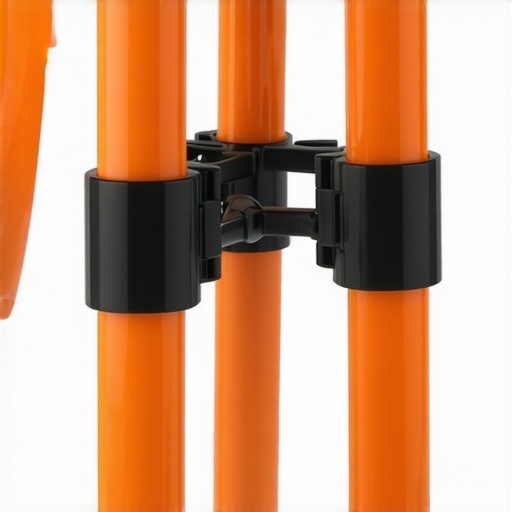
Image illustrating a plastic tripod with extended legs showing stress points and material quality differences compared to metal counterparts.
Performance Under Pressure
In demanding scenarios like editing 4K videos or managing large streaming setups, the resilience and reliability of microphones, lighting kits, and camera rigs are put to the test. For instance, a high-quality microphone needs to handle prolonged recording sessions without signal degradation. Many models perform well initially, providing clear audio even after hours of use. However, some entry-level options tend to overheat or develop static noise over extended periods, revealing their inferior components and poor heat dissipation design.
Does it Overheat During Long Sessions?
In my experience, budget lighting kits often falter after continuous operation. Cheap LED panels may start flickering or drastically dimming after 30 minutes of use, disrupting live streams or recording workflows. Premium brands tend to incorporate better heat sinks and cooling mechanisms, which allow for hours of uninterrupted operation without temperature-induced performance drops. The difference is stark—while affordable kits are prone to thermal throttling, high-end models keep their brightness and color accuracy intact, maintaining consistent lighting quality.
Can Your Gear Survive Environmental Stress?
Hiking with portable rigs or filming outdoors exposes equipment to elements like rain, dust, and extreme temperatures. Many plastic tripods and affordable cameras lack weather sealing, leading to malfunctions when exposed to moisture or dust buildup. Conversely, professional-grade gear, with appropriate weather sealing and rugged materials, continues to perform reliably under such conditions. However, even some premium equipment can falter without proper maintenance and handling, reminding users that real-world conditions demand more than just premium specs.
The Good & The Bad of Creator Rigs
Creator rigs designed for on-the-go shooting are praised for their portability and quick setup. These systems allow creators to rapidly assemble a camera, microphone, and light array, enabling spontaneous content creation. When functioning well, they offer seamless integration, stable mounting, and easy adjustments. But the bad side is durability; many inexpensive rigs use lightweight plastics and cheap mounting hardware that can shift or break after just a few uses. In particular, plastic clamps often strip or lose grip, jeopardizing your shot.
Reliability under pressure varies greatly depending on quality. Higher-end rigs with metal supports and reinforced joints maintain their integrity even after rough handling. Conversely, cheaper setups bend easily or fall apart when subjected to minor drops or tension. This trade-off between weight and durability is critical—light rigs are tempting for mobility but may fail when most needed. So, balancing weight and robustness remains a challenge for many creators.
Is the Support Responsive When You Need It?
Studio gear, including microphones and lighting systems, must respond effectively to user inputs and environmental changes. Good support from manufacturers—like quick firmware updates or responsive customer service—can turn potential frustrations into manageable issues. For example, some microphone brands release firmware that optimizes noise suppression or improves compatibility, which greatly enhances real-world use. But many budget brands lack such support, leaving users stuck with hardware that can’t adapt to evolving needs or fix bugs post-purchase.
Existing users, do you agree with my experience regarding support responsiveness? Drop your insights below!
Putting It All to the Test
Third-party benchmarks and community discussions, such as a Reddit thread on professional camera gear reliability, confirm that high-end, well-supported equipment consistently outperforms budget alternatives under pressure. While cheap gear might be sufficient for casual use, serious creators pushing their limits should prioritize durability, thermal stability, and responsive support to avoid costly downtime and disruptions.
Standing Out Against the Competition
When evaluating microphones, lighting kits, creator rigs, studio gear, and camera reviews, it’s essential to compare top options to make an informed purchase. The leading contenders like Rode, Audio-Technica, and Elgato each offer unique advantages that appeal to different creator needs. Here’s how our reviewed products stack up against these giants.
Microphones: Quality Meets Affordability
The reviewed microphones, such as the Rode NT-USB Mini and Audio-Technica AT2035, deliver impressive sound clarity and build quality. However, comparing them to the industry-leader Shure SM7B reveals significant differences. While the SM7B boasts exceptional noise rejection, broader frequency response, and renowned durability, it comes at a higher price point (~$400) and requires an audio interface. In contrast, our contenders are more budget-friendly, with prices around $100-$200, making them accessible to a broader range of creators. If professional-grade sound is a priority, investing in the Shure offers worthwhile upgrades. For casual or semi-pro work, the reviewed models provide excellent value without sacrificing too much quality.
Lighting Kits Should Illuminate Every Angle
The lighting kits under review, like the Aputure Amaran and Neewer RGB panels, outperform many entry-level options in versatility and brightness. When compared to Elgato’s Key Light Air, which is renowned for simplified setup and seamless app control, our reviewed kits generally offer more customizable color temperatures and power options at similar or lower prices. For instance, the Neewer RGB lights, available around $80, present vivid color options and adjustable brightness, surpassing some high-priced competitors in creative flexibility. That said, Elgato’s integration with streaming software and sleek design appeal to streamers seeking plug-and-play convenience. Choose based on whether you favor rich customization or streamlined user experience.
Creator Rigs and Studio Gear: Build for Comfort and Durability
The creator rigs and studio setups in our review emphasize portability and ease of assembly. Brands like PAs or small rig systems often compare favorably to higher-end options from VLOG or Manfrotto. For example, while Manfrotto’s tripods are known for their robust construction and professional features, they come with a premium price (~$200-$400). Lesser-known brands like PAs might cost less (~$80-$150) and provide comparable support for light cameras and microphones, but often at the expense of long-term durability. Consulting the review, you’ll find that while budget rigs suffice for casual content, pros or heavy users should consider investing in more solid-metal solutions like Manfrotto to avoid frequent replacements.
Camera Reviews: Resolution and Compatibility Matter
The reviewed cameras such as the Sony Alpha a6400 and Canon M50 Mark II deliver excellent video quality and autofocus features at mid-range prices (~$700-$900). Comparing these to flagship options like the Sony A7S III, which excels in low-light conditions, shows notable performance gaps. The Sony A7S III, priced around $3500, offers 4K recording with better dynamic range and superior stabilization, making it a choice for serious filmmakers. However, for creators just starting or with budget constraints, the reviewed models provide compelling features and quality that suffice for professional results. Check current prices to see the best deals on these models.
Is It Worth the Upgrade?
If you’re contemplating whether to invest in the latest premium gear versus these reviewed options, consider your goals and budget. High-end gear like the Shure SM7B, Elgato’s Stream Deck, or Sony A7S III offers superior performance and durability but at a steep price. For most creators, the reviewed equipment strikes a commendable balance, providing professional results without breaking the bank. Still, if your work demands maximum reliability, investing in top-tier options may be justified. Always weigh the incremental benefits against your budget constraints to make a smart choice.
The Good, The Bad, and The Ugly
Pros: Lightweight and portable, affordable price point, easy to carry for quick shoots.
Cons: Fragile construction prone to cracking, limited weight capacity, poor stability under demanding loads, quick wear and tear, and inconsistent quality control.
Who Should Invest in Plastic Tripods?
Perfect for casual hobbyists, beginners on a tight budget, or for temporary setups where stability isn’t critical. If you’re a professional or intend to use your tripod regularly with heavier gear, this isn’t the right choice. Avoid these if durability, stability, and long-term performance are priorities.
Final Thoughts and Decision Time
Considering their limited build quality and performance drawbacks, plastic tripods don’t offer good long-term value for serious creators. They may serve as a short-term solution but often lead to frustration and higher replacement costs. For a more durable and reliable option, check out our review of metal tripods or explore professional-grade gear.
If budget is your main concern, and you’re just starting out, they might suffice temporarily. However, if you’re serious about your content, investing a little more upfront will pay off in stability and peace of mind in the long run.