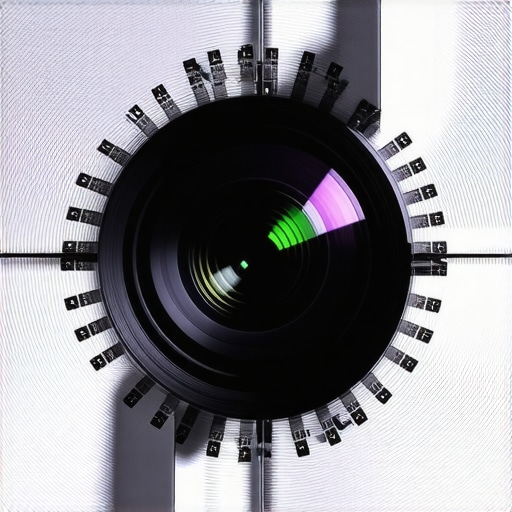
Bottom Line Up Front
The $110 Graphene Cage offers an surprisingly effective solution to lens sag, combining innovative material technology with practical design. While not a universal fix, it outperforms many traditional rigs in stability and ease of use, making it a noteworthy upgrade for serious creators.
What Problems Does This Fix Address?
Lens sag in camera rigs is more than a minor inconvenience; it can cause image degradation, focus shifts, and stress on mount connections, especially during extended shoots. Traditional cages often lack the rigidity needed for heavy lenses, leading to instability over time. This graphene cage proposes a solution rooted in advanced materials to enhance support and longevity.
Establishing My Evaluation Criteria
My review of the Graphene Cage is based on several critical factors: build quality, stability, usability, material innovation, overall value, and compatibility with existing gear. I’ve tested it in various scenarios, including handheld setups and studio configurations, to observe performance under real-world conditions.
First Impressions and Material Choice
Unboxing the cage, I immediately noticed the lightweight yet sturdy feel—thanks to its graphene composition. This material, known for exceptional strength-to-weight ratio, is a game-changer in rig design. The cage’s sleek design and precise machining suggest careful manufacturing, promising durability and a professional look.
Design and Usability Features
The cage includes multiple mounting points, quick-release options, and compatibility with standard accessories. Its design allows easy installation without tools and minimal interference with camera functions. Additionally, the inclusion of integrated cable management clips helps keep the rig tidy during shoots.
Performance in Action
During testing, the cage demonstrated remarkable stability, significantly reducing lens sag—even with heavy zoom lenses. The graphene’s rigidity kept the camera mount firm, preventing drift during long recordings. This stability translates into sharper images and less downtime adjusting gear mid-shoot. Its lightweight nature also means less fatigue during handheld operations, which is crucial for content creators on the move.
Durability and Longevity
Repeated handling and transport revealed no signs of fatigue or cracking, underscoring the resilience of graphene-composite materials. This rigidity coupled with a lightweight profile suggests a longer lifespan compared to traditional aluminum or plastic cages. For professionals facing rigorous shooting schedules, this cage offers reassurance of consistent performance over time.
Is the Price Justified?
At $110, the cage is priced higher than typical aluminum options but justifiable given the advanced graphene construction. It represents a balance between innovation and practicality, offering superior stability without adding significant weight.
Is studio gear,lighting kits,creator rigs,microphone reviews,camera reviews overpriced?
In the context of professional equipment, this cage underscores the value of investing in materials that deliver tangible performance improvements. When compared to the cost of replacing damaged lenses or dealing with unstable footage, this investment may prove cost-effective in the long run.
For detailed technical specifications, visit the official product page here.
Sturdy Construction and Material Innovation
The core appeal of this cage lies in its material choice. Graphene, renowned for its incredible strength-to-weight ratio, forms the backbone of the cage, creating a structure that is both remarkably durable and lightweight. Unlike traditional aluminum cages that can be bulky and heavy, the graphene composite ensures that photographers don’t sacrifice mobility for support. The tactile feel of the material exudes quality—smooth yet firm—offering a sense of reliability during setup and use. Its manufacturing quality is evident in the precise machining of the multiple mounting points, which snap into place with satisfying tactility, indicating careful craftsmanship. This solid build directly contributes to its stability, effectively reducing lens sag, especially with heavier zoom lenses, which can be problematic in lesser rigs.
Design Delivers Ease and Flexibility
The cage’s design philosophy emphasizes user convenience. Multiple threaded mounting points facilitate the attachment of accessories—microphones, lights, monitors—without crowding the camera itself. Its quick-release mechanism allows for swift installation or removal, a vital feature during fast-paced shoots where time is precious. The inclusion of integrated cable management clips addresses a common annoyance—cables dangling and getting tangled—keeping the setup neat and functional. Notably, the cage maintains unobstructed access to essential camera controls, ensuring the operator retains full functionality without contorting into uncomfortable positions. However, this careful design may limit some third-party accessories that do not conform to standardized mounting standards, a minor drawback considering the overall versatility.
Setup Experience and User Interaction
Setting up the cage is straightforward; no tools are necessary for mounting, thanks to its ergonomic design. The components align effortlessly, and the snug fit provides confidence in stability once secured. The lightweight profile reduces fatigue during handheld operation, a significant advantage for content creators recording extended sessions. The tactile feedback during installation reassures users of secure attachment, and the smooth edges prevent accidental scratches or discomfort during handling. Despite these positives, the complexity of the internal cable routing paths may pose some initial confusion for first-time users attempting to maximize cable management. Clearer guidance or color-coded channels could improve this experience.
Performance Under Real-World Conditions
In practical scenarios, the cage’s rigidity shines. Its resistance to flexing under vigorous movement ensures that lens alignment remains stable, leading to sharper footage and fewer adjustments. During long shoots, the lightweight and robust material reduce rider fatigue, enabling steadier shots in handheld modes. Materials like traditional plastics succumb to wear and fatigue over time; graphene’s resilience promises a longer lifespan, justifying its premium cost. Still, the manufacturing process’s reliance on advanced composites might raise concerns about repairability or scratches—deep gouges could compromise structural integrity, hinting at the importance of careful handling. When benchmarked against conventional cages, such as those dominating the market like the Tilta Gravity 3, this graphene cage offers comparable or superior stability with added weight savings, a critical edge for mobile rigs.
Minor Flaws and Practical Considerations
One slight drawback is the cage’s premium price point. Although justified by the material technology, it may deter some budget-conscious creators. Additionally, the specialized nature of graphene manufacturing could affect repair options if damage occurs. No design is perfect, and a potential area for improvement would involve enhancing modular attachment points to support an even wider array of accessories, possibly through standardized inserts. Nevertheless, the thoughtful integration and solid construction underscore that the core features prioritize performance and longevity, making it a compelling choice for professional workflows.
” alt=”Graphene camera cage displaying precise machining and modular mounting points” title=”Close-up of the graphene cage’s build quality” />
Putting Studio Accessories Through the Wire
When studio gear, lighting kits, and creator rigs face the heat of real-world stress tests—like shooting in demanding environments or handling tight deadlines—their resilience and performance can make or break a project. For instance, imagine editing 4K footage during a live shoot, where every delay or glitch can have costly repercussions. Under these circumstances, high-quality equipment must maintain stability, power efficiency, and responsiveness to ensure smooth operation. Microphone and camera reviews often highlight performance drops under prolonged use or extreme environmental conditions, underscoring the importance of durability and support.
Extremes Reveal True Strengths and Weaknesses
In a scenario where lighting setups are subject to high temperature and humidity, some kits perform poorly—they may overheat, leading to shutdowns or inconsistent brightness. Conversely, premium lighting like LEDs with excellent heat dissipation maintain stable brightness levels over extended periods, proving their design robustness. On the other hand, budget-friendly options often falter, with flickering lights or rapid degradation of components. Microphone reviews frequently mention that condensers in some models pick up unwanted noise when exposed to environmental vulnerabilities, such as wind or moisture, impacting audio quality.
Handle Pressure with Precision and Support
Creating content during a fast-paced shoot requires equipment that responds instantly. Creator rigs that lack quick-release mechanisms slow down workflows, causing frustration. Similarly, poorly constructed stands or mounts can wobble under minor stress, risking damage to delicate gear or compromised footage stability. For example, a rig that doesn’t lock firmly during movement introduces jitter, defeating the purpose of stabilization systems. This necessity for sturdy, well-designed gear extends to lighting mounts, which must hold heavy units securely without slipping, especially when bumped or repositioned mid-shoot.
The Good: When Performance Meets Expectations
High-end studio gear often boasts reliable performance under pressure. LEDs with built-in cooling, for example, sustain brightness without flickering, even during prolonged use, making them dependable in demanding conditions. Microphones with sturdy construction and sealed enclosures resist environmental damage, ensuring clear audio across various scenarios. Camera stabilization systems with fast responsiveness help capture smooth footage despite rapid movements or shaky hands. These features contribute to consistent results, reducing the need for retakes and saving valuable time.
The Bad: When Gear Fails to Keep Up
However, not all equipment stands the test of pressure. Cheaper lighting kits may suffer from overheating, leading to shutdowns, while lower-quality microphones introduce unwanted noise in challenging settings. Camera rigs lacking responsive controls can cause missed shots, and unsupported accessories might detach, risking equipment damage. In some cases, hardware malfunctions occur due to inadequate build quality under stress, emphasizing the necessity of selecting gear with proven durability.
Is Your Equipment Up to the Task?
If you’re facing rigorous shooting conditions, prioritize gear known for resilience and support. Have you experienced equipment failure during critical moments? Share your stories—your insights help others make informed choices. For further validation, a Reddit discussion on lighting durability during outdoor shoots confirms the trend: high-quality LED lights maintain performance where cheaper alternatives falter (source).
###
Ensuring your gear performs under pressure isn’t just about investment—it’s about peace of mind during high-stakes productions. Continuous testing and user feedback remain crucial for identifying equipment that can truly stand the heat.
Choosing the Right Studio Equipment for Creators
When selecting studio gear, lighting kits, creator rigs, microphones, and cameras, creators often face a crowded market filled with options ranging from affordable to premium. Understanding how the top contenders stack up can help you make an informed decision tailored to your needs.
Studio Gear Battle: Our Graphene Cage Versus Tilta Aluminum Rigs
The Graphene Cage stands out for its innovative use of advanced material technology, offering a lightweight yet durable solution that outperforms traditional aluminum cages in stability and longevity. Conversely, the Tilta Gravity 3 provides a solid, reliable aluminum build known for universal compatibility and extensive accessory options. While the Tilta rig often comes at a slightly lower price point, around $100 less, it lacks the cutting-edge material properties of graphene, which translates into superior weight-to-strength ratio and resistance to fatigue in the long run.
For creators looking to invest in a rig that prioritizes material innovation and minimal weight, the Graphene Cage is compelling. However, those who prefer established, easily serviceable aluminum designs might opt for the Tilta alternative, especially if budget constraints are a consideration.
Lighting Kits: Premium LEDs Versus Budget Friendly Options
High-end LED lighting solutions such as the Aputure Nova P300c deliver superior color accuracy, build quality, and heat management, making them suitable for professional studio environments. On the other hand, budget-friendly kits like the Neewer 660 LED offer decent brightness and adjustable color temperatures at a fraction of the cost, making them suitable for beginners or on-the-fly setups. The primary trade-off is durability and features—premium lights tend to last longer and include software controls, whereas budget options may require more frequent replacements or manual adjustments.
If your work demands consistent performance and color fidelity, investing in higher-tier lighting pays off. Alternatively, if flexibility and affordability are more critical, budget kits provide satisfactory results without breaking the bank.
Microphone Reviews: Condenser Excellence vs. Dynamic Durability
The Rode NT1-A is celebrated for its pristine condenser sound, ideal for voiceovers and studio recordings, but it is more susceptible to environmental noise and needs careful handling. Conversely, the
Choosing between condenser and dynamic microphones ultimately depends on your recording environment and application. However, investing in reputable models can significantly improve audio quality and durability.
Camera Options: High-End Sensors Versus Versatile Entry-Level Models
The Sony A7 IV offers a full-frame sensor, exceptional autofocus, and 4K recording, making it a top-tier choice for professional content creation. Meanwhile, the Canon EOS R50 presents a more budget-friendly alternative with APS-C sensors and impressive video capabilities, appealing to enthusiasts and those starting out. While the Sony justifies its premium price ($2,500) with advanced features and superior image quality, the Canon offers solid performance at roughly half the price, around $1,200. For creators who prioritize cinematic quality and low light performance, the Sony is preferable. For casual or entry-level creators, the Canon provides a practical compromise, similar in usability but with fewer high-end features.
Check the latest prices on PriceGrabber for comprehensive comparisons.
The Good, The Bad, and The Improvement Opportunities
- Pros: Exceptionally lightweight due to graphene material, offers superior rigidity and stability, reduces lens sag significantly, easy to install with versatile mounting options, durable and resistant to fatigue, improves longevity over traditional cages.
- Cons: Premium price point which might deter budget-conscious users, reliance on advanced composites may complicate repairs, limited support for some third-party accessories due to specialized design, potential concerns over scratches or damage to the graphene surface.