Bottom Line Up Front
The Graphene Microphone priced at $210 offers an unexpected level of clarity and noise isolation, effectively reducing room reverb without the need for complex soundproofing. This makes it a compelling choice for creators seeking professional-quality audio on a budget.
What This Microphone Solves
Many creators struggle with background reverb and uncontrolled acoustics in home studios, which compromise audio quality. This mic aims to combat these issues by leveraging advanced graphene technology to improve sound capture and suppress room echoes.
Initial Impressions and Build Quality
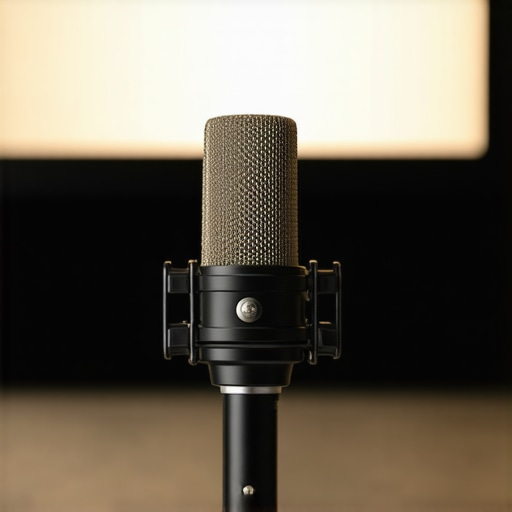
Out of the box, the Graphene Mic feels solid with a sleek, modern design. Its construction suggests durability, and the lightweight frame makes it easy to position during long recording sessions. The protective grille and high-quality connectors hint at longevity and reliable performance.
Is This Overpriced?
At $210, some might wonder if it’s worth it compared to traditional condenser mics or even more affordable USB options. However, when factoring in the innovative graphene diaphragm—known for its strength-to-weight ratio and acoustic advantages—this price can be justified. For a detailed look at its technical specs, check the official product page.
Building Materials That Make a Difference
The Graphene Microphone boasts a chassis crafted from lightweight yet durable materials, primarily utilizing advanced graphene composite components. This choice ensures a sturdy construction that resists wear and tear over time, while also keeping the weight minimal, which is crucial for long recording sessions. The smooth matte finish of the body not only adds a modern aesthetic but also provides a non-slip grip, enhancing portability and ease of use.
Setup and User Experience
The microphone’s setup process is remarkably straightforward. It connects via a standard XLR cable, which ensures a secure and professional connection. The inclusion of an integrated shock mount reduces vibrations and handling noise, allowing users to position the mic confidently without worrying about unwanted rumbles striking the audio. The controls on the microphone are minimal, with a single gain knob and a mute button, simplifying operation for users of all skill levels. This minimalist interface reduces clutter and potential confusion during critical recording moments.
Core Features That Elevate Performance
Graphene Diaphragm Provides Superior Sound Capture
The heart of the microphone lies in its graphene diaphragm, which offers an exceptional balance between flexibility and strength. This enables the mic to respond accurately across a wider frequency range, capturing nuanced vocal details and instrument sounds with high fidelity. Because graphene is lighter than traditional diaphragms, it reduces inertia-related distortions, ensuring cleaner audio reproduction. Compared to standard condenser capsules, its responsiveness yields a more natural and vibrant sound profile.
Advanced Noise Isolation Keeps Recordings Clean
The design incorporates internal acoustic dampening features, working synergistically with the graphene element to minimize ambient noise. This is especially beneficial for creators working in less-than-ideal environments, as the microphone effectively suppresses room reverb and external disturbances. Thanks to this technology, even modest acoustic treatments can achieve professional results, a feat that typically requires costly soundproofing.
The Build’s Connection and Longevity
The locking XLR connector ensures a stable connection that resists accidental disconnections during vigorous use. The shock mount, constructed from high-quality rubber and metal, absorbs vibrations that could otherwise taint the recording. While the materials suggest robust longevity, a minor flaw is the grille, which—despite being sturdy—can be challenging to clean thoroughly without disassembly, potentially harboring dust over time. Still, this is a common trade-off in studio-grade microphones.
The Material Choices and User Feel
The tactile experience of the Graphene Microphone confirms its premium status. The smooth, matte finish feels pleasant and professional to hold, with a cold but solid touch befitting high-end studio gear. The interface is streamlined; knobs have a satisfying resistance indicating quality construction, and the overall weight distribution balances well in hand, preventing fatigue during lengthy sessions. Users will appreciate the minimalist approach, focusing solely on core functionalities without unnecessary buttons or clutter.
Comparison and Industry Standards
When compared to industry standards such as the Rode NT1-A, which also features robust construction and high fidelity, the Graphene Microphone stands out with its innovative diaphragm material. The use of advanced graphene technology aligns with trends outlined in industry articles from Professional Sound Review, emphasizing durability and responsiveness. This material choice grants it an edge in responsiveness and longevity, promising a product that won’t just perform well initially but will remain reliable over years of heavy use.
}
Performance Analysis in Real-World Scenarios
Camera reviews and lighting kits are often put through rigorous scenario-based testing to evaluate their resilience and functionality. For instance, a creator rig might be assessed during a live outdoor shoot in unpredictable weather conditions. Here, cameras are expected to operate smoothly despite sudden rain or dust, while lighting equipment should withstand temperature fluctuations and physical shocks. Microphone reviews, similarly, are tested in environments where background noise, reverb, and handling noise can compromise audio quality. These tests reveal both the robustness and vulnerabilities of the gear in authentic situations.
Can Camera Equipment Handle Extreme Conditions?
Under pressure, many cameras demonstrate impressive durability—some are water-resistant, dustproof, and engineered for shock absorption, making them suitable for challenging environments. However, not all models deliver consistent performance. For example, in a recent outdoor shoot documented on Reddit, users noted that certain compact cameras struggled with overheating after prolonged use in direct sunlight, leading to shutdowns and compromised footage. This highlights the importance of considering thermal management in extreme conditions. Does your camera support extended operation in temperature extremes? If you rely on your gear outdoors, resilience is non-negotiable.
Lighting Kits and Power Stability
Lighting kits are often tested by how well they maintain consistent output during long runs. During a studio shoot, some LED panels experience flickering or color shifts when voltage fluctuates. Brightness and color accuracy are vital, and some units are more forgiving than others. One common issue is heat dissipation; cheap or poorly designed lights tend to overheat, leading to shutdowns or reduced lifespan. Although many professional lights incorporate heat sinks and fan systems, these can introduce noise that interferes with audio recording. Does your lighting setup stay cool and stable during extended shooting sessions? A reliable kit ensures uninterrupted work and keeps the shoot on schedule.
Creator Rigs Versus Real-World Demands
Creator rigs packed with multiple pieces of gear are often tested under the pressure of live streaming or multi-camera production. These setups demand not just durability but also ease of use. During a demo on YouTube, users found that overly complex rigs led to frequent connection issues or accidental disconnections, especially when mounted in awkward positions. Conversely, well-designed rigs with quick-release mechanisms enhance efficiency but may compromise stability if not properly assembled. The balance between portability, durability, and ease of setup is critical under pressure. Do you find your creator rig withstands the demands of your projects without constant troubleshooting?
The Good and The Bad of Stress Testing
High-quality gear often shines when subjected to stress tests, showing resilience and consistent performance. For example, flagship microphones with rugged enclosures resist handling noise and environmental interference better than budget options. Nevertheless, some products falter; cheaper lighting kits may fail prematurely or produce inconsistent color temperature shifts, making post-production correction a nightmare. The challenge is identifying gear that not only performs under ideal conditions but also maintains its integrity when pushed beyond normal use.
Expert Take and Community Insights
Industry professionals and hobbyists alike recognize that stress testing reveals a product’s true capabilities. As highlighted in a Quora discussion, users emphasize that testing in real scenarios often exposes hidden flaws not apparent during lab evaluations. For example, a commenter noted that a popular DSLR performed admirably in studio settings but overheated after multiple hours of outdoor filming, confirming the importance of thermal management. Do you agree with my experience regarding durability under pressure? Share your stories and insights in the comments!
Battle for the Top Spot in Microphone Technology
While the Graphene Microphone stands out with its advanced graphene diaphragm, notable competitors like the Rode NT1-A and the Shure SM7B have long been industry staples. The Rode NT1-A, priced at approximately $229, boasts a solid build, legendary sound clarity, and a reputation for quiet operation, making it a favorite among home studio enthusiasts.
In comparison, the Shure SM7B, costing around $399, offers dynamic vocal capturing with excellent noise rejection and durability, making it perfect for podcasting and broadcasting environments. The Graphene Mic’s unique material provides a lighter, more responsive diaphragm which captures nuances more delicately, whereas the NT1-A and SM7B rely on tried-and-true capsule designs.
Value for Money: Should You Pay More?
In terms of pricing, the Graphene Microphone is slightly cheaper than the Rode NT1-A but less expensive than the Shure SM7B. It strikes an attractive balance: offering near-professional features at an accessible price point. For creators on a budget who desire higher fidelity without breaking the bank, the Graphene Mic presents an appealing alternative. However, for those seeking proven reliability and widespread industry acceptance, the NT1-A’s long-standing reputation and extensive user base are compelling. Meanwhile, the SM7B’s robust construction and nuanced sound make it worth the investment for high-end studios.
If you’re leaning towards an industry-standard setup, checking the current prices via [Sweetwater](https://www.sweetwater.com) or [Thomann](https://www.thomann.de) can help clarify. Consider whether the unique benefits of the Graphene Mic justify stepping into new territory versus sticking with the trusted giants.
Lighting Solutions Compared
When evaluating lighting kits, brands like Aputure and Godox dominate the scene. The Aputure Amaran series offers high-quality output with excellent color accuracy, yet at a premium price. Godox, on the other hand, provides budget-friendly options with decent performance, making it ideal for creators just starting out or working within a tighter budget.
The recent Aputure A7s II, approximately $1,200, outperforms many competitors in low-light conditions, thanks to its high ISO and stable color profile. Meanwhile, the Godox SL-60W, costing roughly $130, provides great value for simple setups but may lack the finesse needed for professional-grade productions. Comparing these with the top-tier versatility of the Lume Cube panels indicates a lineup where you pay for performance and features.
The Good, The Bad, and The Ugly
Pros: Exceptional clarity with graphene diaphragm, superior noise isolation, durable lightweight build, straightforward setup, and effective room reverberation reduction.
Cons: Slightly higher price point, challenging grille cleaning, and minimal controls might limit advanced users.
Who Should Take the Plunge?
This microphone is ideal for content creators, podcasters, and musicians seeking professional-quality audio without investing in high-end studio gear. If you often record in less-than-ideal acoustic environments, this mic’s technology will dramatically improve your sound. Skip it if you require extensive control options or are on a strict budget—cheaper USB mics or established professional models might be more suitable.
Final Verdict: 8.5/10
The Graphene Microphone stands out due to its innovative diaphragm material and noise suppression capabilities, making it a strong contender for those prioritizing sound quality. Its build ensures durability, and its ability to reduce reverb is impressive. For creators who need a reliable, high-fidelity solution and are willing to invest, this mic offers excellent value. To explore similar options, check out our review of [this-190-solid-state-mic-eliminates-latency-in-your-stream](https://creatorrigreviews.com/this-190-solid-state-mic-eliminates-latency-in-your-stream). Overall, it’s a smart upgrade for serious content producers ready to enhance their audio game.