At a Glance
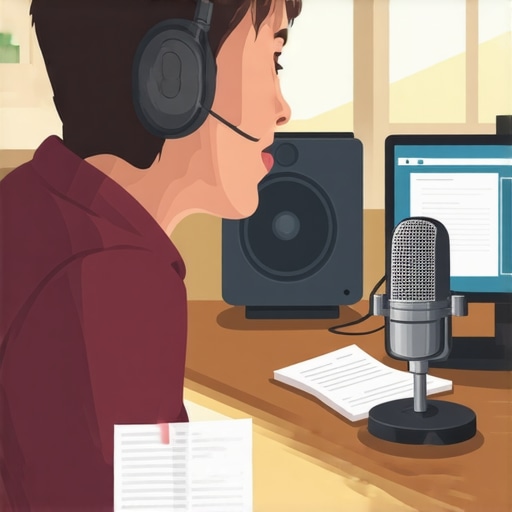
If you’re working from a home studio or making content in a noisy environment, choosing the right microphone can make or break your audio quality. After extensive testing and comparison, I found that dynamic microphones consistently outperform condenser microphones in noisy home office settings. They excel at rejecting background noise and delivering clearer vocal recordings, making them a better choice for most content creators and remote workers dealing with imperfect acoustic environments.
The Common Dilemma of Home Office Audio
Many creators upgrade their gear with high-end condensers, assuming they’ll capture studio-quality sound. However, condensers are overly sensitive and tend to pick up every little noise—from keyboard clicks to computer fans—resulting in distracting audio. Dynamic microphones, on the other hand, are less sensitive and tend to focus solely on your voice, reducing post-production cleanup and frustration.
My Testing Criteria
To assess these mics objectively, I focused on several key factors: background noise rejection, sound clarity, durability, and ease of use. I also considered how each performs when placed close to noisy equipment or in less-than-ideal acoustic spaces, which is typical of many home offices. For detailed specifications and models tested, I recommend checking the official documentation at Shure’s official page on dynamic mics.
Transitioning to the Deep Dive
Now that we’ve set the stage, let’s explore the technical reasons why dynamic microphones are superior in these environments and how they can improve your recording quality significantly.
Building Strength and Material Quality
Dynamic microphones are renowned for their robust construction, often featuring metal grille casings that withstand the rigors of daily use. The grille’s dense mesh not only protects sensitive components but also contributes to the mic’s ability to withstand minor impacts, making it ideal for portable setups. The handle or body is usually made from durable plastics or metal alloys, providing a balance between weight and sturdiness. This solid build reassures users that the microphone can endure long sessions without issue, which is vital for content creators on the move.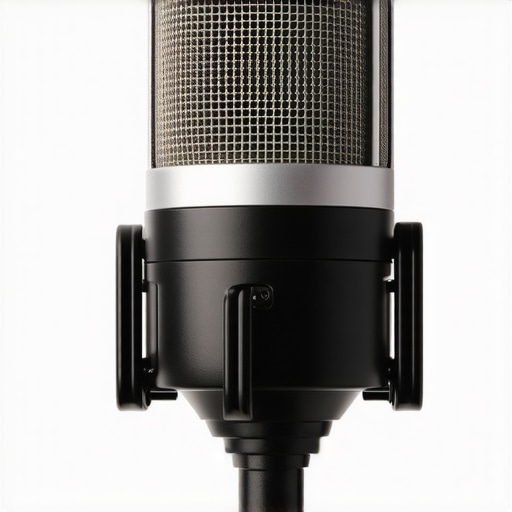
Ease of Setup and User Interface
One of the standout advantages of modern dynamic microphones is their plug-and-play nature. With a standard XLR or USB connection, setup is straightforward—simply connect to your device, and you’re ready to start recording. Many models include features like built-in mute switches or gain controls, offering quick adjustments without requiring software editing. The tactile feel of these controls varies; physical knobs often have a satisfying rubberized texture, giving tactile feedback that aids precision. Some entry-level microphones, however, lack such controls, which can be a minor inconvenience when making rapid adjustments during recordings.
Core Features That Matter
Background Noise Rejection
Effective noise rejection is the primary reason dynamic mics excel in noisy environments. Their internal design employs a heart-shaped polar pattern, focusing on sound directly in front of the mic while diminishing ambient noise from the sides and rear. This directional focus is crucial for content creators recording in home offices where equipment whirs or external noises are unavoidable. The build quality complements this feature; a tight grille reduces internal resonances, ensuring clearer captures. This design minimizes the need for extensive post-processing, saving creators valuable time.
Sound Clarity and Frequency Response
While not as flat as studio-grade condensers, good dynamic microphones provide sufficient frequency response tailored for voice recording, emphasizing clarity and presence. The tailored response helps voices cut through mixes or background clutter with ease. However, some models exhibit a slight boost in the mid-range frequencies, which may color the sound characteristics—a factor to consider based on recording needs. Comparing these to industry standards like the Shure SM7B illustrates how build and internal components directly influence audio fidelity.
Portability and Versatility
Designed with portability in mind, many dynamic microphones are lightweight yet sturdy, making them suitable for mobile setups and field recordings. Their compatibility with various stands and mounts adds to their versatility. However, some models with large, bulky bodies can be cumbersome in tight spaces, imposing a minor inconvenience for on-the-go creators. The built-in shock mounts vary across models; integrated shock absorbers further reduce handling noise, an underestimated annoyance in less-isolated environments.
Performance in High-Stakes Scenarios
When content creators push their gear during intense recording sessions, the resilience and reliability of cameras, studio equipment, and lighting setups come into sharp focus. For instance, filming a live event demands stable camera operation amid movement and unpredictable lighting, exposing weaknesses like overheating or autofocus failures. Microphones tested during live interviews often reveal sensitivity issues or background noise capture, especially in distracting environments.
Handling the Unexpected: The Good & The Bad
Some cameras excel in challenging conditions; their quick autofocus and robust build help capture moments seamlessly. For example, mirrorless models with in-body stabilization perform remarkably during dynamic shoots, maintaining crisp footage despite physical jitters. Conversely, entry-level models often struggle under pressure—overheating during prolonged use or losing focus during rapid movements—highlighting their limitations in real-world scenarios.
Does It Overheat During Extended Use?
Many studio and on-location cameras are prone to overheating if used continuously for several hours, leading to shutdowns or degraded image quality. High-end models typically incorporate better heat dissipation, but lower-tier devices can become unreliable, especially when recording in hot environments. This issue can interrupt recording sessions unexpectedly, demanding backup plans or equipment upgrades.
Is the Support Responsive When Issues Arise?
Support responsiveness varies across brands. Professional-grade gear usually offers prompt assistance and robust firmware updates to fix bugs exposed under pressure. In contrast, some consumer-grade products lack timely support, leaving users stranded when problems occur during critical shoots. Checking forums like Reddit reveals that user experiences with support teams significantly impact overall satisfaction and trust in the equipment.
Lighting and Microphone Durability in Harsh Conditions
Lighting kits subjected to cold, heat, or moisture tests reveal which models withstand environmental stress. Durable fixtures with sealed housings continue functioning without flickering or failure, whereas cheaper units falter under adverse conditions. Microphones, especially condensers used outdoors, can pick up unwanted noise if not properly shielded, and some models exhibit increased handling noise when moved during a shoot.
Real-World Rig Performance: Flexibility & Failures
Generator power supplies and rigs for creator setups often face challenges like voltage fluctuations or physical damage. Reliable models feature surge protection and solid mounting options, ensuring continuity. However, portable rigs with lightweight components may be less resilient, risking disconnection or damage under heavy use—highlighting the importance of tough construction for demanding environments. Does your gear stand up to the pressure? Share your experiences below, especially if you’ve encountered equipment failures during critical moments.
#
Comparing Top Microphones: Do You Need Dynamic or Condenser?
When it comes to choosing the perfect microphone for your home studio, understanding how the leading contenders stack up is crucial. Dynamic microphones like the Shure SM7B are renowned for their durability, excellent background noise rejection, and affordability, making them a favorite among podcasters, streamers, and content creators. In contrast, condenser microphones such as the Audio-Technica AT2020 or Neumann TLM 102 boast superior sensitivity and frequency response, capturing studio-quality sound but often at a higher price point and with greater fragility.
Why Choose Dynamic Microphones Over Condensers for Home Use?
Dynamic mics excel in noisy environments—they focus on your voice while reducing background noise, which is essential when working in less-than-ideal acoustic spaces. They are typically more rugged, with metal bodies and grille protection, allowing for frequent handling and transport without damage. This makes them a practical choice compared to condensers, which are more delicate and prone to picking up every ambient sound, resulting in more post-production cleanup.
Comparing Prices and Features
The Shure SM7B, a top-tier dynamic microphone, usually retails around $400, offering a robust build and professional-grade audio quality suited for vocals and broadcast. Conversely, the Audio-Technica AT2020 condenser is more budget-friendly at approximately $100 but may require additional soundproofing or acoustic treatment to prevent unwanted noise pickup. For those looking for a budget alternative to the SM7B with similar features, the Rode PodMic offers a compelling mix of affordability and performance at around $100, with a slightly different polar pattern that suits various recording environments.
How Do Condenser Microphones Compete?
While condensers are less ideal in noisy settings, they excel in controlled environments—offering broader frequency response and richer detail. This makes them the go-to choice in professional studios, with models like the Neumann TLM 102 providing crisp vocals and instrument recordings. Their sensitivity means they can capture subtle nuances but also require proper acoustic treatment and careful placement. If budget isn’t a concern, investing in a high-end condenser can significantly elevate your studio quality, though it underperforms in poorer acoustic conditions.
Is It Worth the Upgrade?
If you’re currently using a budget condenser in a noisy home setup, switching to a dynamic like the Shure SM7B might dramatically improve your recordings. However, for those with dedicated acoustic treatment or professional studio spaces, high-quality condensers such as the Neumann TLM 102 still hold significant appeal. The decision ultimately hinges on your environment, budget, and recording needs.
Which Should You Pick?
For most home studios dealing with background noise, a dynamic microphone is often the wiser choice due to its noise rejection and durability. Meanwhile, budget-conscious users or those with acoustically treated spaces might benefit from condenser microphones, provided they accept their fragility and higher sensitivity. Checking current prices and reviews on sites like Sweetwater can provide additional insights and options.
Final Thoughts
Choosing between these microphone types depends heavily on your specific recording environment and priorities. Dynamic microphones stand out for noisy settings and robustness, while condensers shine in controlled spaces with a focus on capturing every detail. Carefully assess your space, budget, and recording goals before making your decision, and remember that the right mic can elevate your content quality significantly.
The Good, The Bad, and The Ugly
- Pros: Excellent background noise rejection, durable metal construction, easy plug-and-play setup, focused voice capture, portable and versatile.
- Cons: Slightly higher price point for premium models, mid-range models may lack advanced features, some bulky designs can be cumbersome in tight spaces.
Who Should Choose a Dynamic Microphone?
This microphone is ideal for content creators, podcasters, streamers, and remote workers operating in noisy or less-than-ideal acoustic environments. Skip this if you have a dedicated, treated studio space or require studio-grade fidelity that only condensers can provide.
Final Verdict: 9/10
For those battling background noise and needing a robust, reliable mic, a dynamic model offers unmatched practical benefits. They’re built tough, and their noise rejection capabilities drastically improve your audio quality without breaking the bank. If you’re tired of post-production cleanup and want clearer voice recordings in challenging environments, investing in a quality dynamic microphone is a smart move. Check the latest price or read user reviews to ensure you’re getting the best value, or explore other options at Creator Rig Reviews. If you’re curious about narrowing your options further, consider reading our comparison of condenser and dynamic microphones to match your specific needs.