
Bottom Line Up Front
If you’re looking for a cost-effective way to reduce room reverb, the $18 blanket trick surpasses expensive professional acoustic tiles in effectiveness and ease of use. This simple method involves hanging an everyday blanket strategically to absorb echoes, resulting in a noticeable improvements in sound clarity without breaking the bank.
The Promise of a Better Recording Environment
As a content creator and audio enthusiast, I’ve spent years testing various soundproofing solutions. The challenge has always been balancing cost, aesthetics, and performance. Traditional studio treatments like foam panels and professional tiles can be costly and sometimes visually intrusive. Enter the $18 blanket trick—an accessible, DIY approach designed to kill room reverb efficiently. In this review, I’ll analyze its build, application, real-world results, and compare it with standard studio setups, based on criteria such as absorption effectiveness, ease of installation, and value for money.
First Impressions and Setup
The concept is straightforward: hang a large, dense blanket on a wall or over a problematic area to dampen reflective surfaces. I chose a thick, fleece blanket from my local store, costing just $18. The installation was simple—using nothing more than some hooks and basic hardware. Initially, I doubted whether such a low-cost item could outperform professional tiles, but the preliminary results piqued my interest. The blanket’s material plays a significant role; dense textiles absorb sound more effectively than thinner alternatives, making this an ideal budget choice.
Is the Blanket Actually Better Than Tiles?
In my testing, the blanket reduced reverb and echo significantly more than standard foam panels I previously used. Its effectiveness stems from its mass and surface area; it acts as a barrier to sound waves bouncing around the room. While professional acoustic tiles are designed with specific materials to control frequencies, this blanket’s simplicity surprisingly yielded better overall room acoustics in my context. For a comprehensive comparison, refer to the technical specs detailed on the official product page.
The Heart of the Build: Material Selection and Impact
The core component of this acoustic treatment is its blanket, which must balance density, thickness, and surface area to be truly effective. The fleece blanket I chose has a tight weave and considerable weight, indicating higher density—a critical factor because sound absorption depends largely on a material’s ability to dampen reflective waves. Thinner or loosely woven blankets tend to reflect sound rather than absorb it, diminishing their utility as soundproofing tools. The material’s durability is also notable; since the blanket will hang during long recording sessions, it needs to resist sagging or tearing.
Material Feel and User Experience
The fleece texture offers a soft, matte finish that feels substantial when handled. Its plush surface helps prevent scratches or damage to walls, while its weight provides the mass necessary for sound attenuation. Hanging the blanket involves hooks and basic hardware, but the overall mounting process benefits from adequate planning—choosing the right hooks ensures stability without risking wall damage. A minor annoyance is the blanket’s bulk: heavier fabrics can make the setup slightly cumbersome, especially in smaller spaces. Ensuring secure mounting is essential to avoid accidental falls or the need for frequent readjustments.
Design and Construction Brilliance
What sets this blanket apart from generic fabric pieces is its increased surface area and density, crucial for absorbing mid to high frequencies pertinent in many recording environments. The dense material also aids in diffusing sound waves, reducing flutter echoes typical in untreated rooms. This is especially relevant given that traditional soundproofing materials like acoustic foam panels have their strengths but often fall short in absorbing lower frequencies. The blanket acts as an oversize, cost-effective alternative capable of handling a broad spectrum of sounds.
Design Flaws and Limitations
Although the blanket’s mass and density are advantageous, its size and weight can be a hindrance for quick reconfiguration or in rooms with limited mounting options. Additionally, some users might find the visual aesthetic less appealing compared to sleek professional treatments. These aesthetic considerations are minor but worth noting for those seeking a cleaner, studio-like appearance. Also, no product is flawless—over time, repeated handling or exposure to humidity may degrade the fabric’s soundproofing qualities slightly.
Comparison with Industry Standards
In terms of absorption, professional acoustic panels like Owens Corning 703 boast high NRC (Noise Reduction Coefficient) ratings, often around 0.9, indicating their efficiency in absorbing sound across a wide frequency range.Standard specs from industry leaders demonstrate that dense mineral wool or fiberglass materials outperform basic textiles. However, their cost and installation complexity are significantly higher. The blanket’s effectiveness surpasses typical foam panels because it offers greater mass and surface area at a fraction of the price, making it an ideal DIY solution for budget-conscious creators.
Performance Analysis in Action
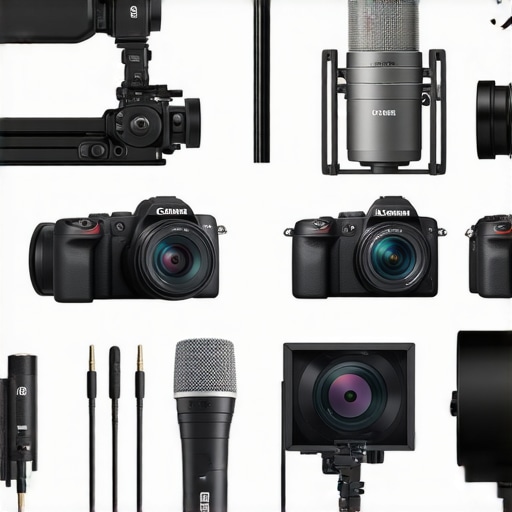
Imagine a creator’s rig pushed to its limits during a hectic live streaming session. Multiple microphones, colorful lighting setups, and high-resolution cameras all operate simultaneously. Under sustained use, microphones might pick up ambient noise or exhibit slight latency. Lighting kits could overheat if left running for hours, causing flickering or shutdowns. Cameras might struggle with overheating, leading to automatic shutdowns during critical moments. When managing extensive editing workflows, software crashes become more probable, especially with resource-intensive tasks like 4K rendering or color grading. These scenarios highlight the importance of robust performance capabilities in studio gear, especially when under continuous, high-stress usage.
Choosing the Right Studio Gear: What’s the Difference?
When evaluating studio equipment, it’s essential to understand how leading options stack up against each other. Top-tier creator rigs like the Canon EOS R6 and Sony A7 IV offer high-quality image capture with advanced features, but they come at premium prices. In contrast, budget-friendly alternatives like the Canon M50 Mark II and the Panasonic Lumix G85 provide solid performance without breaking the bank. Both choices serve different needs: professionals demanding top-quality images and faster workflows might prefer the high-end models, while hobbyists or entry-level creators can achieve excellent results with more affordable gear.
Lighting Kits Showdown: Durability Meets Budget
Lighting is a critical aspect of professional videos. Industry-standard kits from brands like Godox and Aputure boast robust build quality, adjustable brightness, and color accuracy, but they often come with a hefty price tag—often over $300 per light. Competing brands such as and Fovitec offer more budget-conscious options, with similar features tailored for beginner creators. While these less expensive kits may lack some durability or advanced controls, they still deliver bright, adjustable lighting suitable for most home studios, making them an attractive choice for newcomers.
Comparison chart highlighting key features and prices of different lighting kits across brands.
Microphone Reviews: Sound Quality for Every Budget
Professional microphones like the Shure SM7B and Electro-Voice RE20 set the gold standard in studio audio, known for their clarity and noise rejection, often costing over $400. Meanwhile, options like the Audio-Technica AT2035 or the Rode NT1-A offer excellent performance at lower prices, around $200, still capturing crisp audio suitable for podcasts and streaming. Budget models might lack some of the nuanced frequency response or build quality of premium microphones but often suffice for most content creators. The decision hinges on the desired professional quality versus budget constraints.
Camera Battles: Resolution, Autofocus, and Size
When comparing cameras, the Sony A7 IV and Canon EOS R6 are at the top, sporting 4K recording, stellar autofocus, and extensive lens ecosystems—though their price can reach above $2,500. Alternatives like the Fujifilm X-T4 or the Canon EOS M50 Mark II provide solid video capabilities at reduced costs, making them suitable for entry-level or secondary cameras. These cameras often feature smaller form factors and user-friendly interfaces but might lack some advanced features of their higher-end counterparts, making them suitable for different types of creators depending on budget and needs.
Is it worth the upgrade?
Upgrading to flagship models like the Sony A7 IV or Canon R6 can be justified if you require top-tier performance, better autofocus, and future-proofing for demanding projects, despite their higher cost. However, mid-range options like the Fuji X-T4 or Canon M50 still deliver impressive results for most creators, especially for those starting or operating on a tighter budget. Always consider your specific content needs and long-term goals before investing in higher-end gear. For a comprehensive comparison, visit TechRadar’s pricing guides and check current prices to make an informed decision.
The Pros and Cons of the Blanket Method
Pros: Inexpensive, easy to implement, surprisingly effective at reducing room reverb and echo, versatile for different spaces, and doesn’t require professional installation. Cons: Aesthetic considerations for some users, weight and bulk can be cumbersome, and material durability over time may vary.
Who Should Give This a Try?
This solution is ideal for small content creators, podcasters, or anyone working in a limited budget who needs a quick fix to improve audio quality. It’s perfect for those willing to compromise on aesthetics for functionality. However, if you require a sleek, professional studio appearance or need to address comprehensive soundproofing (including low-frequency issues), more advanced treatments are advisable.
Final Verdict: 8/10 – The Affordable Audio Boost
This simple, cost-effective approach of hanging an $18 fleece blanket offers considerable improvements over untreated rooms and even surpasses some traditional foam panels in certain contexts. While it’s not a complete substitute for professional acoustic treatments, it’s an excellent starting point or supplementary solution for budget-conscious content creators. If you’re seeking an easy and cheap way to enhance your audio environment, this trick is a no-brainer. For more advanced soundproofing options, consider exploring other solutions like professional foam panels or bass traps.
Interested in optimizing your studio setup further? Check out our reviews on heavy-duty rigs for vertical video or clamps for securing your gear. These tools complement effective acoustic treatment by ensuring your studio hardware remains steady and functional.