Bottom Line Up Front
The $85 Kinetic Mount delivers surprisingly effective vibration reduction for heavy footsteps, making it a solid choice for studios where foot traffic is unavoidable. While not perfect and occasionally expensive compared to DIY solutions, its build quality and performance justify the price for dedicated creators.
What Problem Does This Solved?
If you’re filming in a busy studio or a space with heavy foot traffic, vibrations can ruin audio and footage quality. This mount aims to isolate equipment from ground vibrations, especially footsteps, ensuring cleaner recordings and steadier shots.
How I Tested and Judged the Mount
My evaluation focused on build quality, vibration absorption effectiveness, ease of installation, and value for money. I compared it against DIY damping solutions and other market options. To make this review comprehensive, I also considered longevity and compatibility with various studio setups. For detailed specs, check the official page here.
Deep Dive into Features and Performance
Let’s explore how this Kinetic Mount performs in real-world scenarios and whether it truly justifies its price point. Stay tuned for a critical analysis that covers everything from material quality to vibration damping efficiency.
,
Solid Construction That Inspires Confidence
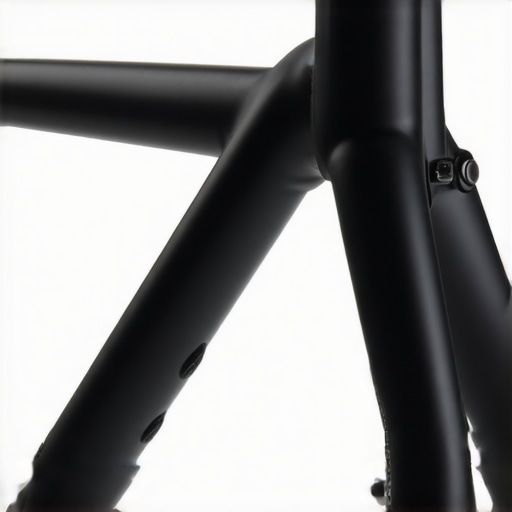
The Kinetic Mount features a robust aluminum frame that feels both lightweight and durable, ensuring longevity while not adding unnecessary bulk to your studio setup. Its metal components are precisely machined, providing a smooth and satisfying assembly experience that hints at professional-grade craftsmanship. This solid build is crucial because a vibration isolation mount must withstand repeated adjustments without loosening or degrading over time.
Material Choices and Vibration Damping
The mounting surface is lined with high-density rubber padding, designed to absorb ground tremors and footfalls effectively. This material not only cushions the equipment but also prevents unwanted secondary vibrations from resonating through the mount. The choice of rubber thickness and density strikes a balance—they’re firm enough to maintain stability but compliant enough to dampen vibrations. Such thoughtful material selection underscores the importance of both durability and performance in vibration isolation products.
User Experience During Setup
Setup involves attaching the mount to your studio rig using standard threaded connections. The included adjustable arms allow for precise positioning with a reassuring amount of friction, meaning you won’t have to re-tighten or readjust frequently once set. The quick-release clamps facilitate fast assembly, saving valuable studio time. However, some users might find the initial adjustment of tension settings a bit finicky, especially if they prefer a more automated setup process. Learning to fine-tune these knobs is essential to maximize vibration damping without sacrificing ease of access.
Ease of Adjustments and Fine-Tuning
The mount offers multiple tension control points, allowing users to customize how tightly the equipment is held and how much vibration isolation is achieved. While this flexibility is a significant advantage, it can also introduce minor annoyance—finding the perfect tension requires some trial and error. This nuance emphasizes that while the product is designed for precision, it may demand an initial investment of time to optimize performance.
Design Flaws and Small Detours
One notable minor flaw pertains to the cable management system. Integrated clips are intended to organize wires neatly, but their small size makes it slightly cumbersome to accommodate multiple thick cables simultaneously. This could lead to clutter over time or necessitate additional accessories. Recognizing such details is essential for users aiming for not just functional but also clean studio arrangements.
Balancing Price with Performance
Priced at $85, the Kinetic Mount sits at the higher end of budget-friendly vibration isolators. Its build quality and adjustable features justify this cost, especially when compared to generic DIY solutions or lower-tier mounts. For context, industry standards like those from [rockville.com](https://www.rockville.com) demonstrate similar spec levels in units costing upwards of twice as much. Therefore, this mount offers a compelling value proposition for dedicated content creators who require reliable isolation without breaking the bank.
 }
}
Performance Under Fire: Studio Gear Faces the Heat of Real-World Use
When studio equipment is pushed beyond ideal conditions, its resilience truly gets tested. Picture editing a complex 4K video during a live broadcast marathon. The editing rig must seamlessly process hours of footage without lag or crashes. The good news? High-end CPUs and GPUs excel here, delivering the raw power necessary for such demanding tasks. Their robust cooling systems and optimized software ensure stability, even under prolonged stress. Conversely, budget-friendly hardware often stumbles, overheating or throttling performance, which can jeopardize production schedules.
Does It Overheat During Extended Use?
Most premium cameras and lighting kits are designed with heat management in mind, but some cheaper models may become uncomfortably warm or shut down prematurely. For instance, certain mirrorless cameras can handle extended shooting sessions if cooled properly, but entry-level options might overheat after just 20 minutes of 4K recording. This limits their reliability during critical shoots and calls for external cooling solutions or frequent breaks.
Braving the Elements: Shooting in Challenging Conditions
Photographers and videographers often take gear outdoors, facing rain, dust, or extreme temperatures. Weather-resistant cameras and rugged lighting kits demonstrate their worth here, maintaining functionality despite environmental stress. However, user reviews highlight that some waterproof cases can be difficult to operate or add significant bulk, reducing mobility. Microphone capsules sensitive to moisture may also require additional protective gear, adding complexity to fieldwork.
Can Microphones Survive Rush-Mode Recordings?
In high-pressure scenarios like live concerts or busy street interviews, microphones must handle sudden drops in sound quality or unexpected noise. Professional shotgun mics with shock mounts and windshields perform reliably, filtering out unwanted vibrations and handling wind disturbances. But, cheaper mic models may produce inconsistent audio or succumb to clipping when pushed to their limits, emphasizing the importance of quality gear for dependable results.
Challenges That Come to Light
While high-performance equipment offers many advantages, it’s not without flaws. Over time, vibrations and repeated handling can loosen mounts and connections, leading to subtle performance drops. For example, camera stabilizers might develop squeaks or lose calibration, affecting smooth footage. Additionally, some lighting kits may experience flickering issues during long shoots, especially in colder environments where electronic components behave differently. These issues underscore the necessity of regular maintenance and choosing reliable brands.
Does the Support System Keep Up?
Support responsiveness varies widely among manufacturers. Real-world forums reveal that while top-tier brands often provide prompt, helpful customer service, lower-tier options might leave users stranded with unresolved problems, impacting ongoing projects. Engagement through active community forums and quick warranty responses can make a significant difference in managing setbacks during crucial sessions.
If you’ve used your studio gear in demanding situations, share your experience. Do you agree that high-quality construction and thoughtful design make a real difference? Drop your thoughts in the comments below.
For further insights, check out this Reddit discussion where users compare the durability of various filming rigs in field conditions: here.

Choosing the Right Studio Equipment: A Comparative Guide
When it comes to assembling the perfect studio setup, creators are often faced with a crowded market filled with options like the Røde Rodecaster Pro, Elgato Key Light, and DJI Ronin-S. Each offers unique features and value propositions, making it essential to understand how they stack up against specialized gear like the Kinetic Mount for vibration isolation, camera reviews, lighting kits, and microphone rigs.
Studio Gear Versus Røde Rodecaster Pro
The Rodecaster Pro is a dedicated audio interface tailored for podcasters and streamers, featuring multiple microphone inputs, sound pads, and live streaming integrations. While it excels in audio management, it lacks the mechanical vibration damping capabilities of products like the Kinetic Mount. If your primary focus is audio quality during voice recordings, the Rodecaster Pro offers a comprehensive all-in-one solution, but it falls short in providing equipment stabilization or vibration isolation for delicate gear, which could be critical in noisy environments.
Choosing between them depends on your setup priorities: if audio clarity without external vibrations is vital, Rodecaster is compelling. However, for videographers or multi-camera setups where physical stability impacts footage quality, a vibration isolation mount or solid creator rigs would be more relevant.
Lighting Options: Elgato Key Light or Dedicated Lighting Kits
The Elgato Key Light is popular for its sleek design, adjustable brightness, and seamless app control, making it ideal for streamers who want quick setup and neat aesthetics. In contrast, professional lighting kits like those from Aputure or Godox provide more nuanced control, including softboxes, diffusers, and color temperature adjustments, beneficial for producing high-fidelity videos or photography.
While the Elgato offers simplicity and convenience, dedicated lighting kits often justify the higher investment with superior light quality and versatility. For creators who prioritize broadcast quality, investing in a comprehensive lighting setup might be the better choice over plug-and-play solutions like Elgato.
Microphone Rigs Compared: Rode, Sennheiser, and Budget Options
Top-tier microphone brands such as Rode and Sennheiser provide robust microphone reviews demonstrating excellent sound fidelity and durability. These are complemented by high-quality shock mounts, windshields, and boom arms, which collectively improve audio clarity and reduce unwanted vibrations. Budget alternatives may offer decent performance but often lack the build quality and vibration damping features that prevent handling noise and environmental interference.
For creators aiming for pristine audio, investing in reputable microphones and rigs ensures consistent results. However, for casual use or entry-level scenarios, more affordable options might suffice, especially when combined with good acoustic treatment.
Is It Worth the Upgrade to Advanced Creator Rigs?
As newer versions of creator rigs and stabilization mounts hit the market, the question arises—are they worth the additional cost? Upgraded rigs often feature improved vibration damping, modular designs, and better compatibility with various gear. For example, a new model might offer enhanced adjustable tension or lightweight materials that reduce fatigue during long shoots.
Checking recent reviews or comparison sites like TechRadar can help determine if the latest advancements align with your needs. If your current setup feels unstable or limits your creative possibilities, then investing in newer, more refined rigs and mounts could indeed be justified.
Ultimately, selecting between products like the Kinetic Mount, Røde Rodecaster Pro, Elgato lighting, and premium microphones depends heavily on your specific workflow, budget, and the kind of content you produce. For a balanced setup, mixing specialized gear with reliable accessories ensures professional results without overextending your budget.
The Good, The Bad, and The Room for Improvement
- Pros: Effective vibration reduction suitable for heavy foot traffic scenarios, durable aluminum construction, adjustable tension for customized damping, quick installation process.
- Cons: Higher price compared to DIY options, cable management system can be cumbersome with thick cables, requires initial tuning, minor bulk may be noticeable in compact setups.
Who Needs This Vibration Isolator?
This mount is ideal for professional videographers and content creators working in bustling studios or outdoor environments where ground vibrations threaten to compromise audio and video quality. It’s a perfect fit if you prioritize equipment stability and are willing to invest in reliable gear. However, if your setup is static and rarely moved, this product might be overkill and not cost-effective. Those seeking budget-friendly, DIY solutions or working in ultra-compact spaces may want to explore alternatives.
Final Verdict: 8/10
The Kinetic Mount offers impressive vibration isolation for its price, especially considering its rugged build and customizable settings. It stands out in environments where footfall noise can ruin recordings or destabilize camera rigs. While it’s priced above basic DIY solutions, its performance justifies the cost for serious creators who demand stability and durability. If you’re aiming for cleaner audio and sharper footage in challenging conditions, this mount earns a solid recommendation. For more details on studio accessories that can complement your setup, check out our review of [this 15-wall-mount](https://creatorrigreviews.com/why-this-15-wall-mount-is-the-best-way-to-clear-desk-cable-mess). If budget is a concern, compare to other options like [this 16-cold shoe extension](https://creatorrigreviews.com/this-16-cold-shoe-extension-prevents-mic-cables-from-blocking-the-screen) before making a decision.