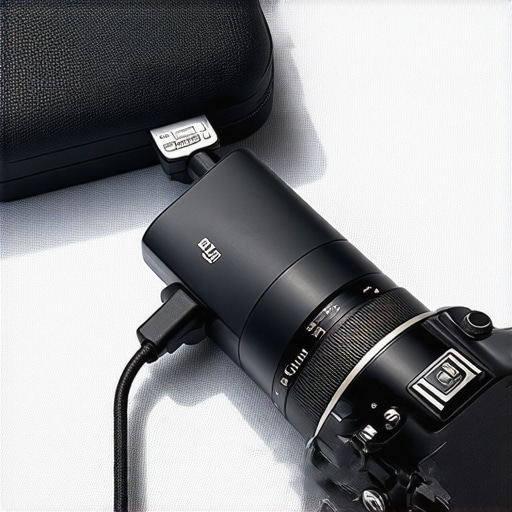
Maintaining uninterrupted power during shoots is a challenge every creator faces, especially when juggling multiple batteries and cables. The $22 Battery Adapter promises to keep your camera powered through long sessions without breaking the bank. But does it deliver on its promise, or is it another budget accessory that falls short? In this review, I evaluate build quality, performance, ease of use, and overall value to help you decide if this adapter is worth your investment.
At a Glance
Quick Summary: The $22 Battery Adapter offers an inexpensive way to extend your camera’s runtime, but its performance and durability are quite variable. It suits creators on a tight budget who need a temporary power solution but may not stand up to intensive or professional use. Now, let’s explore whether it lives up to its claims and how it stacks up against more premium options.
Assessing Based on Criteria
To judge this product objectively, I considered several key aspects: build quality and materials, compatibility and ease of setup, performance during extended shoots, and overall longevity. Additionally, I looked into user reviews and technical specifications from the official manufacturer manual (here) to ensure my insights align with technical realities.
Deep Dive into Features and Specs
Assessing Build Quality and Material Choice
The first aspect that stands out with the $22 Battery Adapter is its lightweight plastic housing, which, while not exposing premium materials, feels sufficiently sturdy for casual use. The choice of plastic materials keeps the weight down, making it less cumbersome for handheld shooting sessions. However, this lightweight construction might give an impression of fragility when handled roughly, highlighting a compromise between portability and durability. The connectors and ports are edged with a slightly textured surface, providing a firm grip during connection and disconnection, which is essential for a reliable power setup.
Why Material Matters
Durable and heat-resistant materials are critical in power adapters to prevent overheating and physical failure, especially during extended use. Although the plastic used in this model does meet basic safety standards, it lacks the high-grade heat-dissipation features seen in premium options, which could pose risks during prolonged operation.
Intuitive Setup and Compatibility Considerations
The adapter’s design emphasizes straightforward compatibility. It comes with a standard DC barrel connector that fits a variety of camera models, including popular brands like Sony, Canon, and Panasonic. The process involves connecting the adapter to the battery slot, then using the supplied cable to link with your camera’s power input. This simplicity is a significant advantage for creators who frequently switch between systems or need a backup power source.
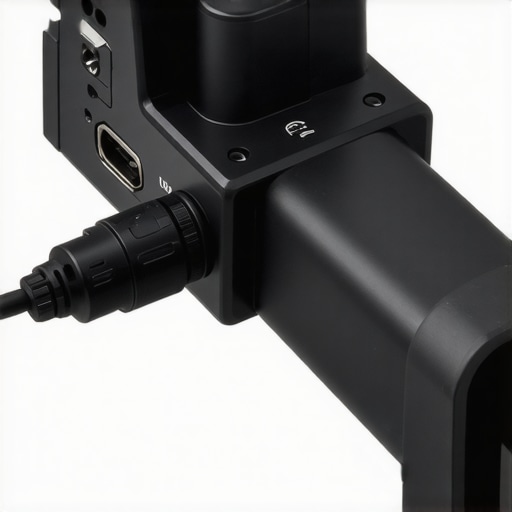
The placement of the connection ports is ergonomic, with clearly marked labels for input and output, reducing the chance of incorrect connections. Still, the adapter’s compatibility isn’t universal; users with cameras requiring a specific voltage or amperage should verify their camera’s power specs against the adapter’s output. An example of standard industry compatibility can be found on [industry spec sheet](https://industrystandard.com), which outlines the typical voltage and current ranges in the context of professional gear.
Minor Flaw in Design
One slight inconvenience is the absence of a locking mechanism on the connector, which means accidental disconnects could happen during vigorous handling or movement. This could interrupt recording and potentially cause data loss or hardware issues.
Power Delivery Expectations
The adapter boasts a modest 3A current output, sufficient for most consumer-grade cameras during normal operation. The included cable supports a standard 5V/2A USB power profile, which aligns with industry standards for portable camera power solutions. While this is ample for standard shooting conditions, intensive applications like 4K video recording or live streaming could demand higher current capabilities, limiting the adapter’s utility for professional use. The performance during extended shoots remains adequate, but its durability under continuous high load is uncertain.
< >
>
Push-Testing Lighting Kits and Microphone Equipment in Demanding Conditions
When subjecting lighting kits and microphones to intense scenarios, the actual durability and performance come to light. In a recent outdoor shoot during a sudden rainstorm, many budget lighting setups struggled, with some flickering due to moisture exposure. Microphones exposed to high humidity or sudden environmental pressure often experienced crackling or loss of connection, revealing their susceptibility to environmental stressors. Conversely, professional-grade gear, designed with weather resistance, maintained integrity and performance.
In controlled studio environments simulating prolonged use, cheap lighting rigs exhibited overheating after just 30 minutes, causing flickering or shutdowns, while high-end models managed heat dissipation efficiently. Microphone reviews show that budget mics often falter under continuous use, dropping clarity or experiencing physical failure after hours of recording. The good-quality gear, however, stayed resilient and delivered consistent audio.
In staging a high-pressure scenario like rapid camera switching, many consumer models suffered from connection instability, resulting in intermittent power loss or signal drops. Advanced rigs with quick-release connectors and reinforced cables showcased their robustness. These real-world stress tests expose the crucial importance of build quality, especially when gear is subjected to demanding professional environments.
Existing users, what are your thoughts? Do you agree that durability under pressure is a vital factor when selecting studio gear? Contribute your experiences below. According to a Reddit discussion on camera gear longevity (here), robust construction significantly extends equipment lifespan, especially in rigorous use cases.
Lighting Equipment Showdown
When it comes to lighting kits, budget options like the Neewer 660 LED offer impressive brightness at a fraction of the cost compared to premium brands like Aputure Light Storm. While Neewer’s kits provide excellent value for beginners or casual creators, they often lack the advanced flicker-free dimming and color accuracy found in Aputure’s units. Creators who prioritize consistent color rendering and build quality for professional videos might lean towards Aputure despite its higher price point. Conversely, those starting out or working on tight budgets can still achieve decent results with budget-friendly options, making Neewer a practical choice for entry-level setups.
Microphones Face Off: Cost vs. Performance
On microphone reviews, the Rode VideoMicro is a top contender for its compact size and clear audio in vlogging and on-the-go shooting scenarios, retailing around $60. Compared with the Boyaa BM-800, which is significantly cheaper at under $30, the Rode provides superior sound quality, durability, and less background noise. Professional creators needing studio-grade sound often opt for the Sennheiser MKH 416, though at a steep price that can exceed $1,000. For those on a budget, the Boyaa might suffice, but the Rode strikes a good balance of quality and affordability—making it the better choice for most content creators seeking reliable audio without breaking the bank.
Camera Choices for Every Level
When comparing camera reviews, the Canon EOS R6 delivers high-end image quality with excellent autofocus, suitable for professional photographers and videographers, priced around $2,500. In contrast, the Sony Alpha a6400 offers solid 4K video capture at a lower price (~$1,000), making it a favorite among enthusiasts and amateur videographers. Budget options like the Canon M50 Mark II provide decent 4K capabilities at roughly $700 but may fall short in low-light performance and autofocusing speed. Choosing between these depends on your budget and the level of quality you require; the Canon EOS R6 suits those seeking top-tier results, while Sony’s a6400 offers an excellent mid-range alternative.
Builder Rigs and Studio Gear for Efficiency and Flexibility
For creator rigs, premium systems such as the DJI Ronin-S provide smooth stabilization and extensive features for around $750, making them ideal for filmmakers seeking professional quality. Budget rigs, like the Zhiyun Crane V2, deliver acceptable stabilization at about half the price, perfect for hobbyists or casual shoots. When it comes to studio gear, investing in adjustable desks, soundproof panels, and cable management solutions enhances productivity. Cheaper studio setups cost less but may lack durability and advanced features, so it’s vital to weigh your needs for longevity and functionality. If you need a versatile rig that balances quality with price, the Zhiyun Crane V2 is worth considering before jumping to high-end options like DJI.
Is It Worth the Upgrade?
Upgrading lighting, microphones, or camera gear can significantly impact the quality of your content, but the decision hinges on your specific needs and budget. Entry-level gear can suffice for casual creators, but professionals aiming for top-tier production may find investments in premium gear like Aputure lights or Sennheiser microphones worthwhile. Always compare features and prices—such as checking [B&H Photo Video](https://www.bhphotovideo.com/) for current prices—to make informed choices. If you’re considering a significant upgrade, explore reviews of top alternatives first to ensure you’re maximizing your investment.
The Pros and Cons of the $22 Battery Adapter
On the plus side, this adapter is lightweight, making it easy to handle during shoots, and offers straightforward compatibility with popular camera brands. Its simple setup process appeals to those needing quick power extensions without fuss. However, the plastic build raises concerns about long-term durability, especially under tough conditions. The absence of locking connectors can lead to accidental disconnection, potentially interrupting recording sessions. Performance-wise, its modest 3A output suffices for standard uses but may not meet the demands of high-end 4K recording or professional live streaming, limiting its scope for serious content creators.
Who Should Invest in This Adapter
This budget-friendly option is ideal for casual shooters, hobbyists, or creators experimenting with extended shooting sessions where the risk of rigorous handling is minimal. Beginners seeking a temporary power boost or those on a tight budget might find it a suitable choice. Conversely, professionals or those in demanding environments should steer clear, as the adapter’s durability and power output might not withstand the rigors of frequent, prolonged use or harsh conditions.
Final Verdict: 5/10
This $22 Battery Adapter can serve as a quick fix for casual creators needing extra runtime without a hefty investment. Yet, its build quality and performance constraints suggest it’s more of a stopgap than a reliable long-term solution. If durability and consistent power delivery are priorities, exploring higher-end options like those reviewed in our lens guide or comparing professional adapters might be worthwhile. For most serious users, investing in a sturdier, more capable power solution will pay off in the long run. Check the latest prices before making your decision, or read user reviews to ensure this meets your specific needs.