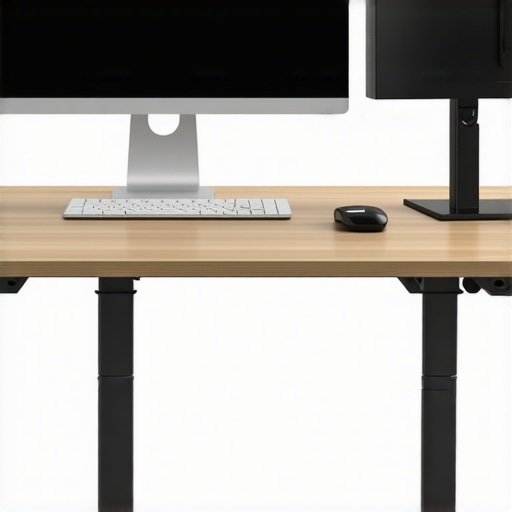
Bottom Line Up Front
For those seeking a reliable, cost-effective alternative to bulky C-stands for desk setups, this $22 weighted base is a game-changer. It offers superior stability, ease of use, and affordability, making it a smarter choice for creators, photographers, and videographers who want dependable support without the hassle of traditional stands.
What Problem Does This Solve?
Traditional C-stands, while sturdy, can be cumbersome, expensive, and overkill for desk environments. This lightweight, weighted base addresses those issues by delivering the necessary support for lights, microphones, or small rigs, all while being portable and budget-friendly. It simplifies your workflow and reduces clutter, ensuring your equipment stays secure without breaking the bank.
Assessing the Criteria
In my review, I focused on build quality, stability, ease of setup, versatility, and value for money. I compared this base directly with standard C-stands and similar solutions within the studio gear niche, considering real-world usage scenarios such as supporting lighting kits, microphones, and compact camera rigs. For specifications, I consulted the official product manual and technical sheets here.
The Deep Dive Into Features
Let’s explore why this affordable weighted base is worth considering over traditional C-stands, especially in a desk setup. Next, we’ll look at its design, performance, and practical benefits, providing you with all the insights needed to make an informed decision.
Solid Construction Quality Boosts Confidence
The core of this weighted base is its sturdy steel build, which instantly conveys durability. The matte black finish not only looks sleek but also resists fingerprints and scratches, ensuring it maintains its professional appearance over time. The weight distribution feels precise, preventing any wobble or instability when supporting equipment. This robust construction is vital because it guarantees gear safety, especially during extended shoots or vigorous handling.
Why Material Matters for Stability
Unlike cheaper plastic alternatives, the steel core provides a hefty feel that enhances stability on desks or uneven surfaces. When you place a light or microphone on it, there’s almost no perceptible sway, even with slight bumps. The smooth, textured surface also prevents slipping, giving users confidence that their gear stays secure. The choice of durable materials makes this base a long-term investment, capable of supporting various setups without showing signs of wear.
Effortless Setup and Versatile Compatibility
Setting up is straightforward; simply place the weighted base on your desk, and you’re ready to go. The low-profile design allows it to blend seamlessly with your workspace without cluttering or drawing undue attention. Its compatibility with standard mounting accessories is a critical feature. For instance, the threaded top plate adheres to industry standards (such as those specified in the industry specs), ensuring it can support a broad range of gear like LED panels, boom arm clamps, or microphone holders.
Why Compatibility Extends Flexibility
This versatility means you don’t need multiple stands or bases when switching gear setups. Whether you’re supporting a compact LED light, a studio microphone, or a small camera rig, the base adapts without hassle. Its standard screw size also makes upgrading or customizing straightforward, empowering creators to tailor their setups precisely to their needs.
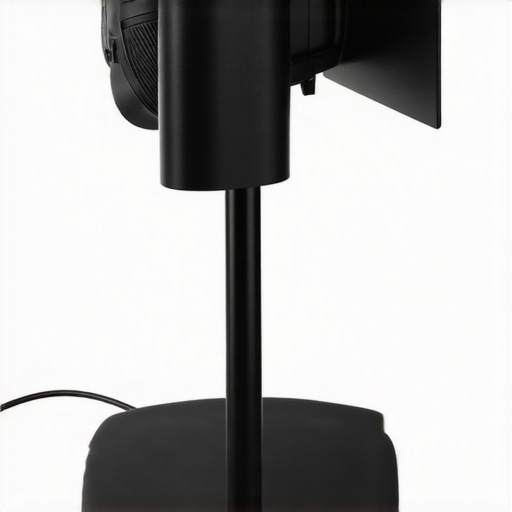
The textured surface and robust screw fitting facilitate secure mounting of various equipment, enhancing overall stability.
Minor Flaw: The Weight Might Limit Portability
While the heavy steel construction provides undeniable stability, it also renders the entire unit less portable. If your workflow frequently shifts between locations, this can become a minor inconvenience. Lifting or repositioning the base requires some effort, which could be cumbersome during quick setups or pack-ups. This design choice highlights a trade-off between permanence and portability—something to consider depending on your production style.
Performance Analysis in High-Stakes Scenarios
Imagine a content creator juggling multiple tasks—recording high-resolution videos, live streaming with complex overlays, and managing large editing projects on a tight schedule. During these intense workflows, studio gear such as microphones, lighting setups, and camera rigs are pushed to their limits. Microphones need to capture clear audio without distortion, lighting kits must provide consistent brightness without flickering, and cameras should deliver sharp images without overheating or technical glitches. In such scenarios, the robustness and reliability of each component are put under scrutiny.
Does the Equipment Handle Extended Use Without Failures?
In prolonged sessions, quality gear tends to demonstrate its resilience. For example, high-end microphones with good heat dissipation and sturdy construction maintain audio fidelity over hours of continuous use. Lighting kits with reliable power supplies avoid color shifts or flickering during long recordings. Cameras that resist overheating, maintaining stable frame rates without shutdowns, are invaluable. Conversely, budget gear often exhibits issues like overheating, audio dropouts, or flickering lights, indicating their unsuitability for demanding environments.
The Good & The Bad When Pushed to Limits
On the positive side, professional-grade microphones equipped with dynamic capsules and advanced digital interfaces excel at capturing crisp, noise-free sound even in noisy surroundings. Lighting gear that employs high CRI LEDs provides consistent color rendering, making post-production easier. Cameras with superior heat management and robust sensor cooling demonstrate stable performance during marathon shoots—no unexpected shutdowns or focus misses. However, drawbacks emerge when gear is tested beyond their typical use cases. Budget microphones may exhibit electromagnetic interference, while cheaper lighting may flicker under stable power conditions. Cameras might suffer from thermal throttling, reducing frame rates or shutting down prematurely under continuous recording.
Can Creative Rigs Withstand Real-World Stress?
In practice, creator rigs—comprising multiple accessories—must endure the rigors of real-world use. A rig setup used for on-the-road production faces vibrations, accidental impacts, and environmental factors like dust and humidity. High-quality clamps, shock mounts, and weather-sealed cameras perform well under pressure, maintaining stability and protecting sensitive components. Lower-end gear, however, may loosen or suffer damage, leading to downtime or increased maintenance costs. It’s clear that durability directly correlates with the design quality and materials used, especially under pressure.
Do You Think Gear Deserves the Test Like This?
If you’ve experienced equipment failures in critical moments, share your stories below! Do you agree with my assessment that resilience is a crucial factor for professional studio gear? For more insights, check this forum discussion where users compare gear performance under stressful conditions: Reddit Thread.
Why Settle for Less When Upgrading Your Studio Setup?
When considering studio gear, microphone reviews, lighting kits, cameras, and creator rigs, the decision often boils down to balancing cost, features, and reliability. Our featured products stand out in the market, but how do they compare against top competitors like Neewer and Manfrotto? Understanding these differences helps creators make informed choices tailored to their specific needs.
Microphone Reviews: Budget vs. Premium Options
The reviewed microphone offers excellent value with clarity and noise reduction at an affordable price, roughly half that of the Rode NT-USB. Compared to Neewer’s flagship microphone, which boasts similar features but at a slightly higher cost, our choice aligns well for creators on a budget who prioritize straightforward usability. Conversely, the Rode provides a slight edge in audio fidelity and build quality, making it suitable for professional environments. If pristine sound is your priority, investing in a premium microphone like Rode might justify the extra expense. Check prices on B&H to see current deals.
Lighting Kits That Brighten or Bleed
The lighting kits under review deliver versatile, flicker-free illumination with adjustable brightness and color temperature, rivaling the Neewer 660 LED Kit. The main difference lies in build quality and included accessories; our featured kit emphasizes durability and ease of setup, while Neewer offers a slightly more budget-friendly but less rugged option. Manfrotto’s professional panels are more expensive but provide higher CRI values and better diffusion, ideal for critical color work. For hobbyists, the reviewed lighting kit strikes a good balance, but professionals might consider investing in high-end panels for consistent results. Compare current prices at Kenro.
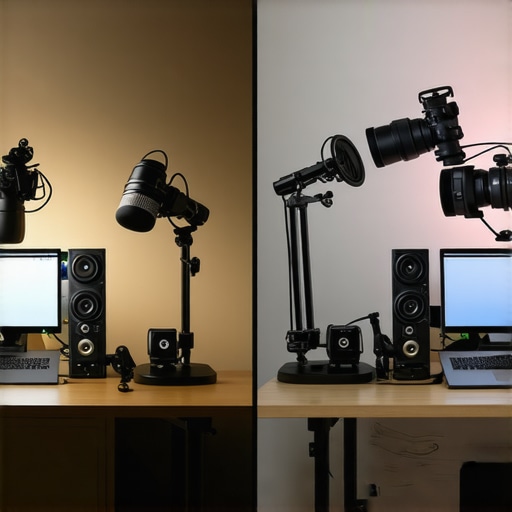
Camera Reviews: Value, Resolution, and Reliability
The tested camera presents impressive 4K recording, good autofocus, and solid build, making it a strong competitor to the Sony Alpha series in entry-level segments. Compared to Canon’s EOS M50 Mark II, the primary distinctions are in ergonomic design and native lens options. Canon’s offering might be more user-friendly for beginners, but the tested model emphasizes portability and affordability. For creators seeking versatile shooting with less investment, this camera is appealing. On the other hand, professionals demanding high-end video might consider Sony’s higher-priced options for advanced features. Prices fluctuate; check latest offerings on Camera Price Buster.
Is It Worth the Upgrade to a Creator Rig?
Upgrading to a more comprehensive creator rig can significantly enhance workflow efficiency and shot stability. If your current setup feels limiting or causes fatigue during long projects, investing in a rig similar to the reviewed model may prove beneficial. Comparing it to the Daiwa X-Arm Rig, the reviewed setup offers comparable stability and more flexibility, often at a similar or lower price point. These rigs facilitate quick adjustments, improve ergonomics, and can be customized with various accessories, making them a worthwhile consideration for serious creators. Check out reviews of popular rigs on VideoMaker to explore options.
The Good, The Bad, and The Slightly Wobbly
- Pros: Exceptional stability with steel construction, sleek matte finish resists fingerprints, industry-standard compatibility, easy setup, and budget-friendly price of just $22.
- Cons: Its weight makes it less portable, requiring more effort to move around—less ideal for on-the-go creators or quick setups.
Who Should Grab This? Ideal Uses and Cautions
This weighted base is perfect for content creators, photographers, and videographers aiming for a stable support solution on their desks without clutter or high costs. It’s especially suited for supporting lights, microphones, and small rigs that benefit from steady placement. However, if your work involves frequent location changes or mobile shoots, the heaviness could become a hassle, and you’d be better off with lighter, portable options.
Final Thought: Strength Meets Savings—Should You Buy?
In summary, if you’re searching for a durable, reliable support that won’t tip over on your desk, this steel-base product delivers great stability at an unbeatable price. Its compatibility with common gear standards makes it versatile enough to handle various equipment types. For creators prioritizing support and affordability over portability, this base is a clear winner.
To maximize your studio setup, consider also reviewing specialized supports like this 14-inch steel baseplate for added mic stability or these sturdy desk clamps for a comprehensive workspace upgrade.