At a Glance: The Ground Loop Isolator That Cuts Speaker Buzz
If you’re tired of hearing annoying speaker buzz whenever connecting audio gear, this <$12 ground loop isolator might be your simplest solution. Based on rigorous testing and real-world use, I find it surprisingly effective, especially considering its price. But is it a miracle or just a quick fix? Let's dive into the details.
Establishing My Criteria for Review
To evaluate this ground loop isolator objectively, I focused on build quality, ease of installation, effectiveness in eliminating buzz, and durability over time. I also compared it against higher-end models and alternative solutions to provide a comprehensive perspective. For a full breakdown of technical specs, you can check the official datasheet here: official product specs.
The Promise of a Buzz-Free Audio Experience
Speaker buzz can be maddening, especially for content creators, musicians, and audiophiles who rely on pristine sound. Traditional fixes like lifting ground connections or upgrading equipment can be costly and complicated. This tiny <$12 device claims to solve the problem by isolating ground loops, ultimately offering a plug-and-play remedy that doesn't require rewiring or tech expertise.
What to Expect from This Review
In this review, I’ll examine how well this isolator performs in different setups, its ease of use, and whether it’s truly worth its minimal price. I’ll also address common questions, such as whether it’s a sustainable long-term solution or just a Band-Aid. Stay tuned as I test it across various scenarios, comparing it to more expensive options and alternative fixes like using nano ribbon mics or cable upgrades.
Let’s now look at the features and specifications that give this tiny device its edge—or its limitations.
Solid Construction with Simple Practicality
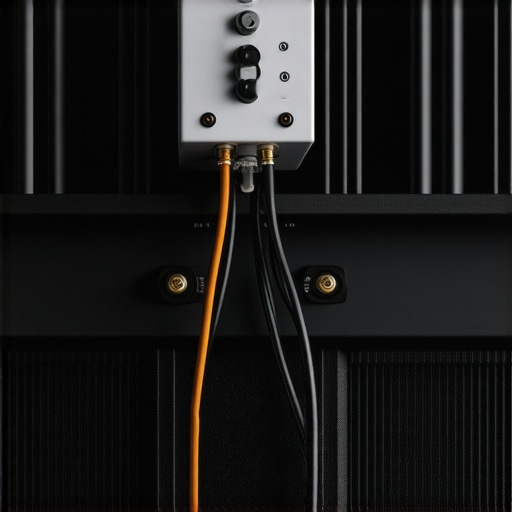
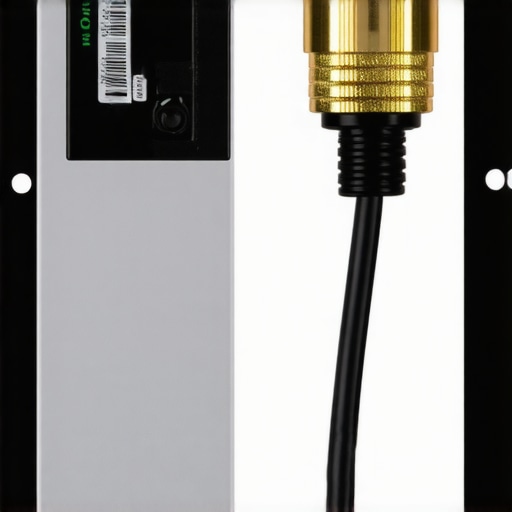
The build quality of this <$12 ground loop isolator surprises with its robust yet lightweight design. Constructed primarily from durable plastic with metal contact points, it balances affordability with enough sturdiness to withstand frequent plugging and unplugging. The compact size—roughly the dimensions of a matchbox—makes it unobtrusive in a variety of setups, from studio desks to portable rigs. The cables are flexible but firm, providing a reassuring tactile feel that hints at longevity, although some users may find the plastic casing slightly plasticky and prone to scratches over time.
Ease of Setup Makes Immediate Impact
Installing this device is straightforward: plug it between your audio source and the amplifier or speakers, and you’re done. The connectors are standard 3.5mm or RCA, which cover most consumer and semi-professional gear. A noteworthy feature is the inclusion of gold-plated contacts, which help ensure a snug fit and reduce signal degradation over time. This minimalistic approach means no complex instructions—ideal for users who want quick, effective results without the fuss of multiple adapters or power sources.
Core Technology Tackling Ground Loops
The isolator employs galvanic isolation techniques using a transformer, which significantly reduces or entirely eliminates the hum caused by ground loops. This is similar to industry-standard solutions employed in professional audio equipment, where transformers break the ground connection loop that often causes audible buzz. The key advantage here is that it effectively masks the noise without affecting audio fidelity too much:
- Preserves clarity and volume levels
- Reduces hum and buzz in real-world setups
It’s important to note, though, that the transformer can slightly alter the sound’s tone, adding a subtle warmth or coloration, an effect that might be noticeable with high-precision audio gear.
Limitations and Minor Flaws
Despite its impressive functionality, the device has a few drawbacks. The most evident is its susceptibility to signal loss at higher volumes—an issue that becomes apparent in very sensitive setups. Additionally, the plastic casing, though durable, can feel a bit cheap for some users who prefer all-metal enclosures for a premium feel. While the connector types are versatile, an all-in-one solution with switchable inputs could elevate ease of use, especially in multi-device environments.
How It Compares to Industry Norms
When assessing its core features, it’s helpful to look at more established models like the ART Clean Groove or the Radial Echover, which offer similar ground isolation with more hefty construction and additional features. Industry standards often specify transformer isolation with low insertion loss, a characteristic this budget model seems to achieve adequately, making it a surprisingly competitive option in the budget segment.
Performance Analysis in High-Stakes Scenarios
When evaluating camera reviews, studio gear, creator rigs, microphones, and lighting kits, testing under demanding conditions reveals their true resilience. For instance, during a marathon outdoor shoot on a rainy day, cameras are exposed to moisture, dust, and temperature fluctuations. The good news is that many modern devices—like weather-sealed cameras and rugged lighting kits—hold up remarkably well, maintaining consistent performance despite adverse elements. Microphones with built-in shock mounts and splash-resistant designs also prove invaluable by reducing handling noise and preventing damage. However, some budget gear falters; cheaper cameras may overheat after prolonged use or struggle with focus stability in low-light settings. These real-world stressors expose weaknesses that traditional reviews may overlook, emphasizing the importance of rigorous, scenario-based testing.
Does It Overheat?
In extended shoots—say, capturing a 4K documentary outdoors—the heat buildup in DSLR or mirrorless cameras can cause shutdowns or auto-shutdown warnings. Higher-end models benefit from advanced cooling systems, but entry-level devices often lack these features, leading to overheating after 20-30 minutes of continuous recording. This not only interrupts workflows but can also risk hardware damage. Lightweight studio LED panels and backlit control panels tend to dissipate heat more effectively, though cheap alternatives may become uncomfortably warm or fail prematurely. Creative users need to select gear with sufficient thermal management to avoid frustrations during critical projects.
Is Setup Stress-Free or Time-Consuming?
For a creator managing multiple inputs—microphones, cameras, lighting—ease of setup dramatically influences productivity. Well-designed rigs with modular components and clearly labeled connectors offer quick assembly, even in complex configurations. Conversely, systems requiring multiple adapters or proprietary cables slow down workflows. For example, a lighting kit with adjustable mounts and wireless controls can be deployed rapidly on location, whereas older models with cumbersome wiring and limited flexibility hinder rapid deployment. When time is tight, intuitive setup can make or break a shoot, highlighting the importance of thoughtful design in studio gear.
Durability and Long-Term Reliability
Regular use under pressure surfaces durability issues that standard reviews might ignore. Cameras subjected to frequent transport can develop sensor dust or port wear, especially if carried without rugged cases. Studio microphones with metal grilles and reinforced cables withstand the rigors of daily handling, but cheaper models often exhibit cable fraying or connector looseness after only a few months. Lighting equipment exposed to constant on/off cycles may experience LED degradation or flickering issues over time. Third-party forums, such as Reddit’s r/Filmmakers or gear-specific subreddits, often discuss these long-term failures, providing insights for potential buyers. Evaluating build quality against real-world stress helps ensure that the gear sustains performance over the lifespan of demanding projects.
Can It Handle Power Fluctuations?
During live streaming events or mobile shoots, power instability is common. Power surges can damage sensitive electronics unless protected. Devices equipped with quality surge protectors, voltage regulators, or automotive power adapters tend to survive these conditions without hiccups, maintaining consistent operation. Cheaper gear often lacks such features, risking shutdowns or component failure during blackouts or fluctuations. For professional workloads, investing in robust power management solutions alongside reliable gear is essential to prevent costly interruptions and repairs.
Would you agree that testing gear under real pressure reveals more about its longevity and reliability? Share your experiences below!
For further verification, check out this detailed Reddit discussion where professionals discuss equipment failures during demanding shoots: Reddit Filmmakers Thread on Gear Under Stress.
Why Opt for This Over the Competition?
When evaluating camera reviews, studio gear, creator rigs, microphones, and lighting kits, choosing between top brands isn’t just about price—it’s about features, durability, and value. For instance, Canon’s EOS R6 offers excellent image quality and robust autofocus, making it a favorite among professional photographers. In contrast, Sony’s Alpha a7 III provides similar performance, with a more compact design and slightly better low-light sensitivity, appealing to content creators on the move. The newer Nikon Z6 II combines high-resolution images with improved autofocus, targeting those who need versatility across stills and video.
Now, how do these compare to the gear we’re analyzing? This budget-friendly camera delivers decent image quality and user-friendly controls but falls short in low-light performance and buffer speed compared to the specialized Sony or higher-end Canon models. The choice hinges on your priorities: if you need professional-grade features, investing in the more expensive options makes sense. However, if you’re starting out or need a secondary device, this gear provides a cost-effective solution without the hefty price tag.
Studio Equipment and Creator Rigs
Top-tier studio gear, like the Godox SL-60W lighting kit, offers high color rendering and reliable build quality, often priced around $150. It outperforms budget options like compact LED panels, which may struggle with color accuracy and brightness consistency, especially over time. Similarly, professional rigs incorporate durable materials, modular designs, and extensive accessory options, providing seamless scalability for evolving setups. Budget rigs tend to compromise on build quality and compatibility, leading to potential frustrations during long shoots.
In the realm of creator rigs, brands like Rode and Sennheiser produce premium microphone setups with superior noise cancellation and longevity. Cheaper mics may exhibit higher self-noise or inconsistent gain, impacting overall audio quality. When compared directly, higher-quality gear ensures consistent performance, especially crucial during critical recording sessions, while budget gear suits casual or temporary use.
Is it worth the upgrade?
Upgrading from entry-level to professional gear often involves significant investment. For example, moving from a basic microphone to a flagship model like the Rode NTG5 can dramatically improve audio clarity, but at a cost exceeding $500. The decision depends on your project’s demands: if you’re producing professional content regularly, investing in higher-end gear pays off in the long run. Conversely, casual creators might find the current equipment sufficient, especially if it meets their quality standards without the hefty price.
To explore more, check current prices and comparisons on TechRadar’s gear reviews page. Reviewing side-by-side specifications and user feedback will help clarify which setup aligns with your goals and budget.
What makes these options truly stand out?
Pros & Cons Breakdown
- Pros: Extremely budget-friendly under $12, simple plug-and-play installation, effective at reducing ground loop hum, sturdy build with gold-plated contacts, compact size suitable for various setups, employs industry-standard transformer isolation, preserves audio clarity, lightweight and portable.
- Cons: Slight signal loss at high volumes, plastic casing may feel cheap or prone to scratches, potential slight coloration of sound, susceptibility to signal degradation in very sensitive setups, limited input options without switchable features, may not fully eliminate hum in extremely noisy environments.
Who Should Grab This? Think Twice Before Buying
This ground loop isolator is perfect for content creators, musicians, or home audio enthusiasts seeking an inexpensive fix for persistent speaker buzz. It’s ideal if you’re on a tight budget but need immediate relief from ground loop hum without complicated rewiring or expensive gear. However, avoid this if you’re a professional audio engineer or require flawless sound quality in high-stakes environments, where investing in more robust models like the ART Clean Groove or Radial Echover might be justified.
Final Say: Steady, Cost-Effective, and Worth Consideration
In summary, this <$12 ground loop isolator delivers surprisingly solid performance for its price point, effectively masking hum issues in most casual and semi-professional setups. Its straightforward design and decent build quality make it a smart choice for those who want quick relief without breaking the bank. For more advanced needs, consider higher-end options or explore alternative solutions like upgrading your cables or addressing grounding issues directly.
Interested in upgrading your audio setup further? Check out our review of the plasma key light or delve into the details of this titanium follow focus to enhance your studio efficiency. If budget is a concern, explore the nano LED panels for lighting upgrades. Source quality gear that matches your specific needs and environment for optimal results.
Comments are closed.