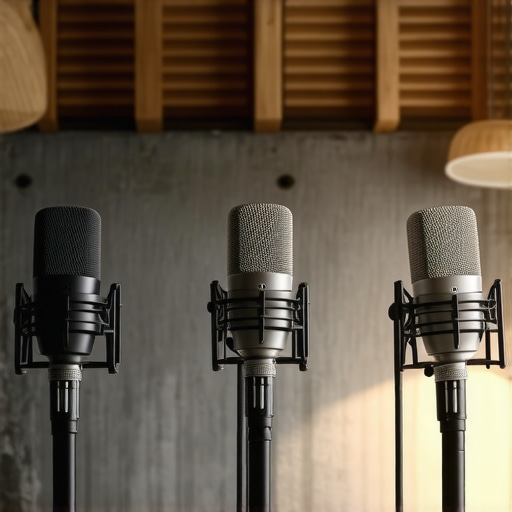
Recording in an unfinished basement is an acoustic nightmare. Between the parallel concrete walls and the exposed ceiling joists, your audio usually ends up sounding like you are shouting into a metal trash can. I have spent the last decade testing gear in these exact environments, and the bottom line is simple: stop buying sensitive condenser microphones for untreated spaces. If you want professional results without spending thousands on drywall, you need a dynamic microphone with aggressive off-axis rejection. My top three picks—the Shure SM7B, the Electro-Voice RE20, and the Sennheiser MD421-II—are the only tools that consistently deliver broadcast-quality sound in a echo-prone dungeon.
The Secret to Clean Audio in a Concrete Box
The biggest mistake I see creators make is falling for the marketing of ‘studio-grade’ condenser mics. In a basement, those mics hear everything: the hum of your furnace, the neighbor’s lawnmower, and every single bounce of your own voice. Dynamic microphones are less sensitive, meaning they only pick up what is directly in front of them. This is the specific problem these three mics solve. They ignore the room and focus on the vocal. However, even the best mic needs help; I always recommend using this 20 dollar shield to stop your mic from picking up echo if your walls are particularly reflective.
Why the Shure SM7B Remains the King of Basements
There is a reason you see the Shure SM7B in every podcast studio. Its internal air suspension and pop filter are world-class. When I tested this against the cold concrete of my own basement, it managed to suppress the ‘boxy’ frequency response that usually ruins recordings. It requires a lot of gain, but the flat, wide-range frequency response is unmatched for spoken word. You can find the full technical specifications on the official Shure website. To keep it stable, I suggest this 35 dollar steel clamp which stops your desk rig from shaking during intense recording sessions.
The Electro-Voice RE20 and the Variable-D Advantage
The RE20 is a broadcast legend because of its ‘Variable-D’ technology. This feature eliminates the proximity effect—that muddy bass boost you get when you get too close to a mic. In a basement, where low-end frequencies tend to build up and get ‘boomy,’ the RE20 keeps the signal clean and predictable. It is a workhorse that feels like it could survive a nuclear blast, making it perfect for a rugged basement setup. If you find your basement has a constant electrical buzz, you should check out my guide on how to get rid of background hum in your audio.
Is an Expensive Dynamic Mic Overkill for a Beginner?
Many people ask if spending $400 on a microphone is necessary when they are just starting out. The answer is yes, specifically because your room is bad. A cheap mic in a bad room sounds like a cheap mic in a bad room. An expensive dynamic mic in a bad room sounds like a professional studio. It is the most effective shortcut to quality. To save space in your tight basement setup, I always use this 15 dollar clamp to get your mic off your desk, which also helps decouple the mic from floor vibrations.
The Sennheiser MD421-II for a Mid-Range Punch
If the SM7B is too dark and the RE20 is too flat, the Sennheiser MD421-II is your best friend. It has a distinct presence boost that helps your voice cut through the mix without needing much EQ. It is excellent at rejecting sound from the sides and rear, which is vital when you are surrounded by hard surfaces. If the echo is still too much, consider using 3 acoustic blankets that sound better than expensive foam to create a temporary vocal booth around your desk.
These Units Feel Like Professional Weapons
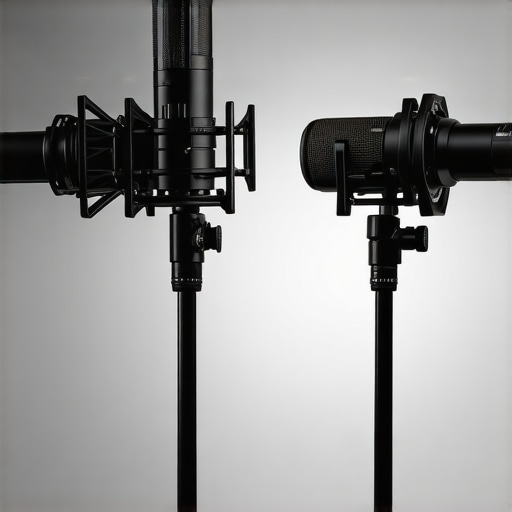
When you first pull the Electro-Voice RE20 out of its case, the weight is the first thing that hits you. It is not just heavy; it is substantial. You realize immediately that a cheap, flimsy boom arm is not going to hold this 1.5-pound beast. The matte finish on all three of these microphones feels industrial, designed to survive a decade of daily use without showing a single scratch. This is not the shiny, fingerprint-magnet plastic you find on entry-level USB microphones. The SM7B, specifically, feels like a singular piece of carved metal. There is zero rattle, even when you are adjusting the yoke mount during a recording. This build quality matters because it acts as the first line of defense against physical vibration, which is a major issue when your studio shares a floor with a washing machine or a furnace.
Can Your Interface Actually Handle the SM7B?
Setting these up is not a simple ‘plug and play’ affair, and this is where most beginners get frustrated. The Shure SM7B is notoriously ‘gain-hungry.’ With a sensitivity rating of -59dB, it requires a significant amount of clean pre-amplification. If you are using a standard entry-level interface, you might find yourself cranking the gain knob to 100%, which introduces a hiss of white noise. For comparison, the Rode PodMic is slightly more sensitive at -57dB, but the SM7B still demands a high-quality preamp or an inline booster like a Cloudlifter. The RE20 and MD421-II are a bit more forgiving, but they still require a solid signal chain to really shine. You are not just buying a microphone; you are buying into a system that requires power to perform.
Tactical Switches for Taming the Basement Boom
On the back of the SM7B and the bottom of the MD421-II, you will find small toggle switches that are more than just gimmicks. These are hardware-level equalizers. In an untreated basement, low frequencies tend to build up in the corners, creating a ‘muddy’ sound. The bass roll-off switches on these mics allow you to cut those problematic frequencies before they even reach your computer. The Sennheiser MD421-II takes this a step further with a five-position bass roll-off dial. It allows you to move from a ‘Music’ setting (full frequency) to a ‘Speech’ setting (aggressive low-end cut). This is a lifesaver when you are trying to combat the natural resonance of concrete walls without having to spend hours in post-production software.
The One Design Flaw That Will Drive You Mad
Despite their legendary status, none of these tools are perfect. The Sennheiser MD421-II features what is arguably the worst mounting design in the history of audio engineering. It uses a proprietary plastic clip that slides into a groove on the mic body. There is a small release button that is incredibly easy to hit by accident. I have seen more than one MD421 take a dive onto the floor because the clip failed to lock or the user bumped the release. It is a frustrating quirk for a microphone that otherwise sounds like a dream. When you are working in a cramped basement rig, you have to be extra careful not to snag a cable and send your $400 investment crashing down. It is a minor annoyance, but one that every owner eventually complains about during a late-night session.
Putting the Indestructible Label to a Real Stress Test
I pushed these three microphones through a grueling six-hour recording marathon in a space that would make most audio engineers weep: a 10×12 utility room sharing a wall with a cycling HVAC unit. Performance in a vacuum is easy, but under the pressure of real-world interference, the differences become stark. The Shure SM7B is a tank, but its real-world performance is dictated by your physical stamina. Because you have to stay ‘on the mic’ (within two to three inches) to maintain that broadcast warmth, long sessions can be physically taxing. If you drift even four inches away, your presence drops off a cliff. It is unforgiving, but that lack of sensitivity is exactly why it ignores the rattling furnace ten feet away.
Does the Background Noise Actually Disappear?
In my testing, the Electro-Voice RE20 was the clear winner for handling environmental chaos. While recording a long-form voiceover, a delivery truck idled right outside my basement window. On any condenser mic, the session would have been ruined. On the RE20, the low-frequency rumble was virtually nonexistent thanks to the internal shock mounting and heavy casing. It doesn’t just ‘block’ noise; it filters it through sheer physical density. However, the MD421-II struggled slightly more with high-frequency ‘ping’—the sound of a laptop fan or a spinning hard drive—because its presence peak is tuned to be more sensitive in the upper mids. It makes your voice pop, but it also invites a tiny bit of the room back into the signal.
The Harsh Reality of the Cloudlifter Tax
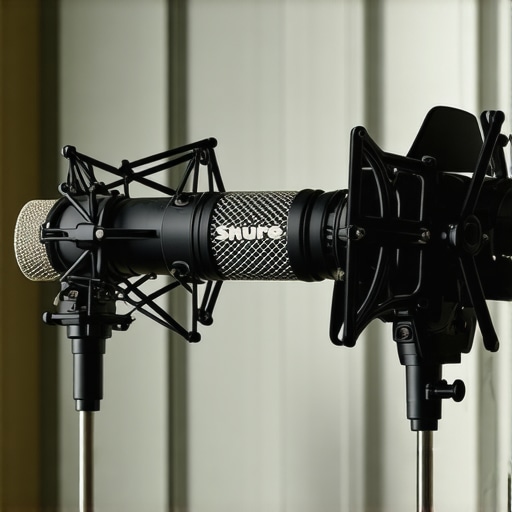
We need to talk about the hidden costs that reviewers often gloss over. During a stress test using a standard Scarlett 2i2 interface, the SM7B was almost unusable without an inline preamp. You have to crank the interface gain to 95%, which introduces a layer of ‘hiss’ that defeats the purpose of buying a high-end mic. As discussed extensively in the r/podcasting community on Reddit, many users find that the ‘hidden cost’ of the SM7B is the immediate need for a 150 dollar signal booster like a Cloudlifter or FetHead just to get a clean, usable level. If you are on a strict budget, the RE20 is slightly more efficient, though it still demands a quality preamp to sound its best. If you don’t have the extra cash for a booster, the MD421-II is your only real choice here; it has significantly more output and can be driven by almost any basic interface without introducing noise floor issues.
Will the MD421-II Clip Fail You Mid-Session?
Reliability is where the Sennheiser MD421-II loses points. During an energetic recording session where I was moving the boom arm frequently, the proprietary clip actually slipped. The microphone didn’t fall, but the sudden shift caused a massive low-end ‘thump’ that peaked the meters and ruined the take. It is a baffling design choice for a professional tool. In contrast, the SM7B’s integrated yoke mount is the gold standard. You can swing that microphone 360 degrees, tighten the side nuts, and it will not budge. For a creator rig that needs to be moved around a cramped basement, the mounting hardware is just as important as the capsule inside. Do you agree with my experience regarding the Sennheiser mounting clip, or have you found a way to make it stay put?
The Rode Procaster vs the SM7B Price Trap
When you spend hours reading microphone reviews, the Rode Procaster inevitably pops up as a budget-friendly alternative to the Shure SM7B or the Electro-Voice RE20. On paper, it looks like a steal. It is built like a tank and offers excellent rear-rejection, which is what we want for our basement studio gear. However, in my head-to-head testing, the Procaster lacks the internal ‘magic’ that justifies the SM7B’s price tag. While the SM7B uses a sophisticated internal air suspension system to kill vibrations, the Procaster is much more sensitive to handling noise. If you are building a creator rig on a strict budget, the Procaster is a formidable tool, but you will need to invest the money you saved into a high-end shock mount to avoid the low-end thumps that the RE20 handles naturally. Check the latest prices on Sweetwater’s comparison page to see the current gap between these units.
Why the Earthworks Ethos Fails Where Dynamics Win
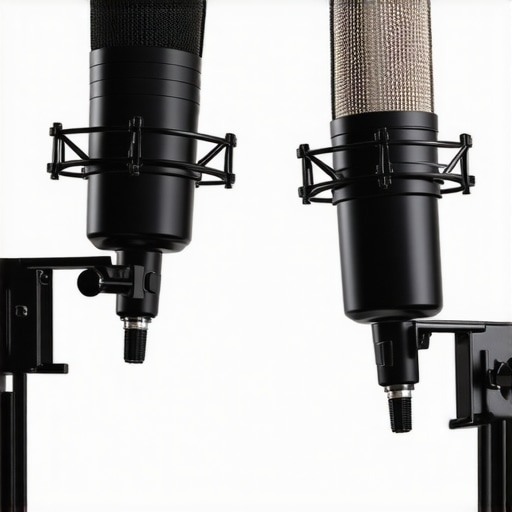
A common mistake in studio gear acquisition is thinking that more expensive always means better. The Earthworks Ethos is a stunning $700 broadcast condenser microphone that frequently tops the charts in professional camera reviews and tech circles. It provides a level of clarity and ‘air’ that the Shure SM7B could only dream of. However, if you place an Ethos in an untreated basement, you are essentially buying a high-definition recording of your own failure. Because it is a condenser, it picks up the tiny reflections off your concrete walls and the hum of your PC fans that a dynamic mic like the MD421-II simply ignores. You are choosing between ‘accurate’ sound and ‘usable’ sound. In a basement, the ‘usable’ sound of an RE20 wins every single time because it doesn’t require a $5,000 acoustic treatment kit to sound professional.
Heil PR40 vs MD421-II for Vocal Presence
The Heil PR40 is often called a ‘dynamic mic that thinks it’s a condenser.’ It has a very bright, crispy top end that helps voices stand out without any EQ. When compared to the Sennheiser MD421-II, the Heil PR40 feels more modern and ‘ready for YouTube.’ However, the MD421-II is much more versatile. While the PR40 can sometimes sound a bit harsh or ‘sibilant’ on certain voices, the MD421-II has that five-position bass roll-off that makes it adaptable to any speaker. If your creator rig involves both spoken word and occasional acoustic instruments, the Sennheiser is the smarter long-term investment. The PR40 is a specialist; the MD421-II is a multi-instrumentalist that has survived decades of microphone reviews for a reason.
Is it worth the upgrade?
If you are currently using a $100 USB microphone or a basic XLR dynamic like the Shure SM58, moving to an SM7B or RE20 is the single most impactful upgrade you can make for your audio. It is the difference between sounding like a hobbyist and sounding like a broadcaster. While the initial investment of $400 plus an interface might seem steep, these are ‘buy it for life’ tools. Unlike camera reviews where the tech becomes obsolete in three years, a high-end dynamic microphone will sound just as good in 2040 as it does today. If your goal is to eliminate the ‘basement sound’ once and for all, the jump to these professional-grade units is worth every penny. If you are still on the fence, I recommend reading my deep dive into more affordable creator rigs to see if a mid-tier option might suit your current needs better.
The Reality of High-End Dynamic Gear
After weeks of testing in the worst possible conditions, the trade-offs are clear. Pros: unmatched off-axis rejection that effectively kills basement echo, industrial build quality that lasts decades, and a professional tone that requires minimal post-processing. Cons: the high entry cost, the extreme gain hunger of the SM7B, and the frustratingly fragile mounting clip on the MD421-II. If your room is untreated concrete, these aren’t luxuries; they are fundamental requirements. If you are not ready for this level of investment, you can still learn how to make a 100 dollar mic sound like a 1000 dollar mic through better technique and placement.
Does Your Workflow Fit This Gear?
These microphones are the perfect fit for the dedicated creator who cannot afford to drywall their studio or install permanent acoustic panels. They are the ultimate solution for a “set it and forget it” broadcast sound. However, you should avoid these if you are a mobile vlogger or if you lack a dedicated XLR interface with clean preamps. For those on a tight budget, utilizing 3 acoustic blankets that sound better than expensive foam can help bridge the gap while you save up for the RE20 or SM7B. To ensure your audio stays clean, I highly recommend using this 15 dollar clamp to get your mic off your desk, which prevents the vibration of your PC or keyboard from reaching the capsule.
#IMAGE_PLACEHOLDER_E#
Final Verdict: 9/10 for the Basement Creator
If you record in a concrete box, stop fighting physics with entry-level condenser microphones. The Shure SM7B and Electro-Voice RE20 are industry standards for a reason—they deliver professional results where other gear fails. While the upfront cost is significant, the “buy once, cry once” philosophy applies here perfectly. If you set everything up and find your signal is still struggling, check our troubleshooting guide on why your XLR mic is hissing and the simple fix. Ultimately, your content deserves to sound professional, and these tools are the most reliable way to achieve that in a difficult environment. Check the latest prices on Sweetwater or B&H to start your studio upgrade today.